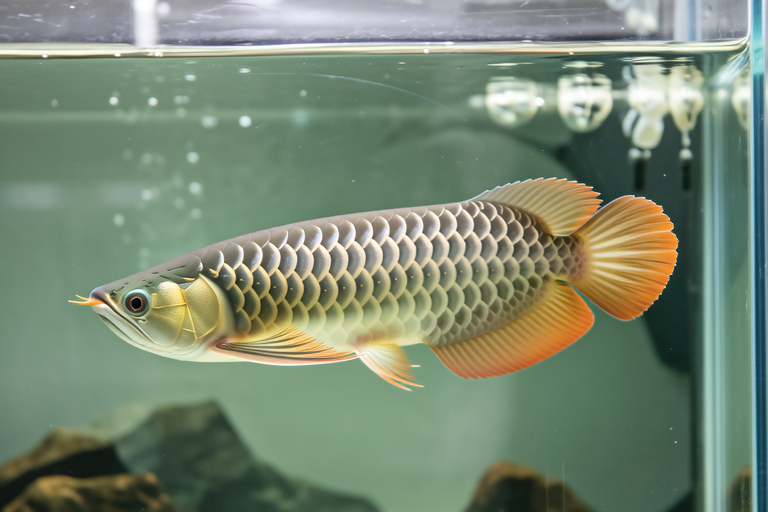
Transform Your Tank: How to Care for an Arowana Like a Pro
The Arowana is a majestic fish that has captivated aquarium enthusiasts for decades. Known for their impressive size and unique appearance, these freshwater giants require specialized care to thrive in captivity. This comprehensive guide will provide you with expert advice on how to set up the perfect tank environment, maintain optimal water conditions, feed your arowana properly, prevent health issues, and understand their social behavior and legal considerations.
Setting Up the Perfect Tank Environment
Creating an ideal habitat for your arowana is crucial. These fish are native to rivers and lakes in Southeast Asia, so they prefer spacious tanks that mimic their natural environment. The tank should be at least 75 gallons for a single adult, but ideally, it should be larger, around 200-300 gallons. The height of the tank is more important than the width because arowanas are vertical swimmers. Ensure the tank is tall enough to allow them ample space to move vertically.
Substrate: Use a fine-grained substrate like sand or small gravel to avoid injuring the fish’s delicate barbels. Decorations can include driftwood, rocks, and live plants. However, be cautious with decorations as arowanas can be curious and may investigate or damage them.
Water Quality: Proper filtration is essential. Use a high-quality external filter capable of processing several times the volume of water in the tank per hour. Regular water changes (about 10-20% weekly) are necessary to maintain water quality. Additionally, ensure adequate oxygenation through the use of air stones or strong water flow from filters.
Water Parameters Crucial for Arowana Health
Maintaining appropriate water parameters is key to keeping your arowana healthy. Ideal pH levels range between 6.5 and 7.5, while temperature should stay between 78°F and 84°F. Ammonia and nitrite levels should be undetectable, and nitrate levels should remain below 20 ppm. Regular testing with reliable test kits is recommended.
Arowanas are sensitive to changes in water chemistry, so any adjustments should be made gradually over several days. Always use dechlorinated water when performing water changes. Reverse osmosis or deionized water systems can further improve water quality by removing impurities.
Diet and Feeding Tips
Arowanas are carnivorous and primarily feed on insects, crustaceans, and smaller fish in the wild. In captivity, they can be fed a variety of foods including live, frozen, and freeze-dried options. A balanced diet might consist of feeder fish, earthworms, krill, and bloodworms. It’s advisable to vary the diet to ensure a good nutritional balance.
Feed your arowana 2-3 times daily, offering as much food as they can consume within 5 minutes. Overfeeding can lead to obesity and other health problems, so monitor their intake closely. Always remove uneaten food after feeding to maintain water quality.
Common Health Issues and Preventive Measures
Like any pet, arowanas can face various health challenges. Common issues include bacterial infections, parasitic infestations, and swim bladder disorders. Regular monitoring for unusual behaviors or physical symptoms such as lethargy, loss of appetite, or visible lesions is critical.
To prevent illness, maintain pristine water quality, quarantine new additions to the tank, and practice good hygiene when handling the fish. If signs of disease appear, consult with a veterinarian specializing in exotic fish for proper diagnosis and treatment.
The Importance of Regular Tank Maintenance
Regular maintenance ensures a stable and healthy environment for your arowana. This includes cleaning the tank glass, checking and maintaining equipment, and addressing any potential issues promptly. Filters should be cleaned every two weeks, and all parts should be rinsed in clean, non-chlorinated water. Replace carbon media and mechanical components as needed.
Monitor the tank’s biological load and adjust filtration capacity accordingly. Regularly inspect the substrate and decor for algae growth and debris accumulation. Performing partial water changes and vacuuming the substrate helps keep the tank clean and reduces the risk of disease.
Handling and Social Behavior
Arowanas have a unique behavior pattern where they often leap out of the water to catch flying insects. They are generally solitary fish and do not tolerate the presence of others of the same species in most cases. Therefore, it’s best to keep only one arowana per tank unless you have a very large tank with plenty of hiding spots and territories.
When handling your arowana, always use a net designed for large fish. Avoid catching them by hand, as this can stress the fish and potentially injure them. Be gentle and quick to minimize stress.
Suitable Tank Mates
Choosing compatible tank mates is important to ensure harmony within the aquarium. While arowanas are generally territorial and solitary, some peaceful bottom-dwelling fish can coexist with them. Examples include plecos, corydoras catfish, and certain loaches. Avoid aggressive or fin-nipping species that might provoke the arowana or become prey.
Legal Considerations of Owning an Arowana
In many countries, owning an arowana is regulated due to their conservation status. Some regions classify them as endangered species, and special permits may be required to legally own one. Research local laws and regulations before acquiring an arowana. In some areas, specific breeds of arowanas are protected and cannot be traded freely.
Respect these regulations to support conservation efforts and avoid legal complications. By adhering to the rules, you contribute positively to the preservation of this magnificent species.
Conclusion
Caring for an arowana requires dedication, knowledge, and attention to detail. By following the guidelines outlined in this article, you can provide your arowana with the best possible care and ensure they thrive in your aquarium. Whether you’re a novice or an experienced aquarist, understanding the nuances of arowana care will help you transform your tank into a thriving aquatic ecosystem. Remember, the joy of watching your arowana flourish is well worth the effort.
