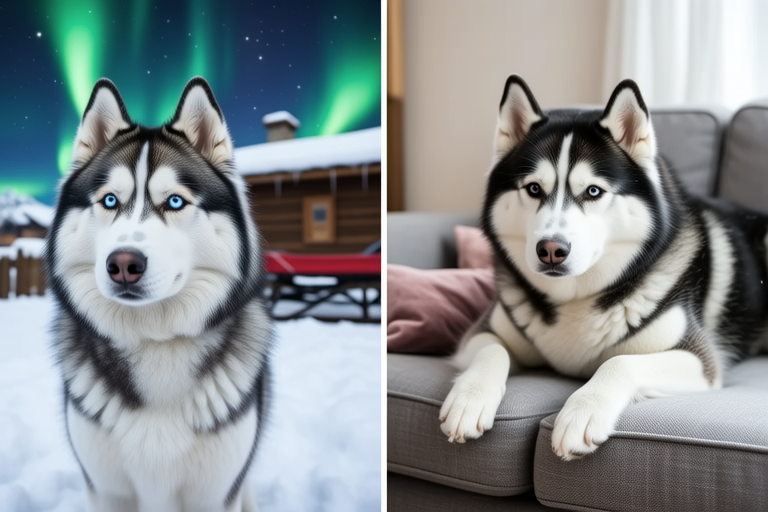
From Nome to Your Living Room: The Journey of Siberian Huskies
The story of the Siberian husky begins in the frosty expanses of Siberia, where these majestic creatures were first bred by the Chukchi people. Originally used as sled dogs, these dogs were prized for their endurance and ability to withstand the harsh Arctic climate. Their initial purpose was not merely transportation but also as loyal companions that could endure long journeys through treacherous terrains. These dogs were indispensable to the Chukchi people, who relied on them for survival.
Fast forward to 1925, when the serum run to Nome brought the Siberian husky into the global spotlight. This daring rescue mission involved a relay of dog sled teams racing against time to deliver diphtheria antitoxin across hundreds of miles of frozen Alaskan wilderness. The lead musher, Leonhard Seppala, and his team of Siberian huskies played a pivotal role in this life-saving endeavor. The success of the mission immortalized the breed, making them icons of strength and resilience.
Temperament and Physical Traits
Siberian huskies are known for their striking appearance, with thick coats that come in a variety of colors and patterns. Their eyes can be blue, brown, or even one of each color, adding to their unique charm. Physically robust, they have strong, compact bodies designed for efficiency in cold climates. Their thick double coat serves as insulation against the biting winds and freezing temperatures of the Arctic.
Beyond their physical attributes, Siberian huskies possess a spirited and friendly temperament. They are generally gentle and affectionate towards humans, including children. However, their independent nature means they can sometimes be aloof or reserved around strangers. This breed is highly social and thrives in environments where they can interact with family members and other animals.
One crucial aspect of owning a Siberian husky is understanding their exercise needs. These dogs are energetic and require significant physical activity to maintain their health and well-being. Regular walks, runs, or playtime in a secure area are essential to keep them happy and healthy.
Health Considerations
Potential owners should be aware of some common health issues associated with Siberian huskies. Hip dysplasia, a condition where the hip joint doesn’t fit snugly into the socket, is a concern. Additionally, progressive retinal atrophy (PRA), which leads to vision loss, and hypothyroidism, a disorder of the thyroid gland, are also prevalent among the breed. Regular veterinary check-ups are vital to monitor and manage these conditions effectively.
Despite these health challenges, Siberian huskies are remarkably adaptable. Their original habitat in the Arctic has equipped them with an extraordinary ability to thrive in various environments. From the icy tundras of Alaska to the bustling suburbs of today, these dogs have proven their versatility. Their adaptability extends beyond just climate; they can adjust to different living spaces, provided they receive ample attention and exercise.
Adaptability from Arctic to Modern Homes
The transition from the Arctic to contemporary homes has been a testament to the Siberian husky’s adaptability. While they were initially bred for survival in extreme cold, they have adapted to warmer climates by shedding their heavy coats during summer months. This natural adaptation allows them to maintain comfort in a wider range of environments.
In modern suburban settings, Siberian huskies find ways to incorporate their need for physical activity into daily routines. Owners often report that their dogs enjoy participating in outdoor activities like hiking, jogging, and playing fetch. Providing a space where they can run freely is crucial, whether it’s a fenced backyard or a nearby park.
Tips for Prospective Owners
For those considering bringing a Siberian husky into their home, there are several important factors to consider. Firstly, ensure you have the time and resources to provide adequate exercise. A bored husky may become destructive, so engaging them mentally and physically is key.
Training Siberian huskies requires patience and consistency. Positive reinforcement methods work best, as they respond well to rewards and praise. Socialization is equally important, especially if you live in a neighborhood with other pets or frequently entertain guests.
Lastly, be prepared for the grooming requirements. Their thick double coat necessitates regular brushing to prevent matting and reduce shedding. During seasonal changes, particularly when they shed their winter coat, more frequent grooming might be necessary.
