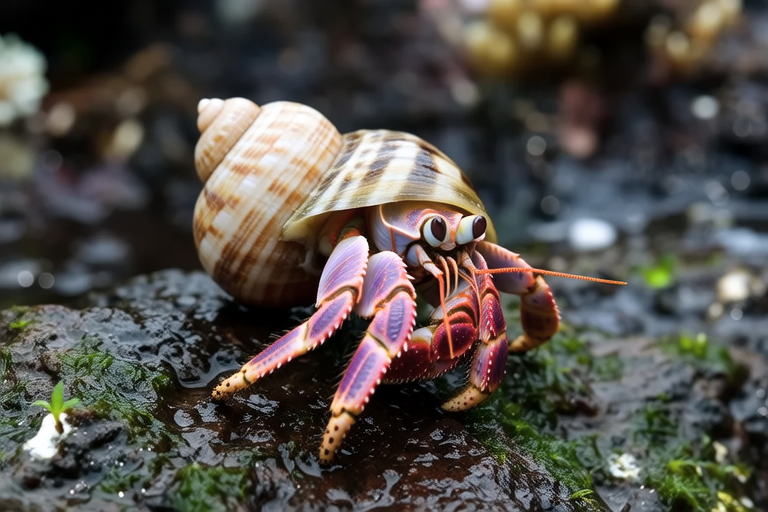
From Tiny Shell to Big Adventures: The Ultimate Hermit Crab Guide
Welcome to your comprehensive guide to the fascinating world of hermit crabs! These tiny creatures offer big adventures and endless fascination for both novice and experienced pet owners. From their unique biology to their specific care needs, this guide will help you understand everything there is to know about these captivating crustaceans.
Hermit Crab Biology: A Closer Look
Hermit crabs belong to the superfamily Paguroidea and are known for their remarkable ability to live inside discarded shells. Unlike other crabs, they do not have a hard exoskeleton that covers their entire body. Instead, they rely on empty mollusk shells for protection. As hermit crabs grow, they must find larger shells to accommodate their expanding bodies. This process is called molting, during which the crab sheds its old exoskeleton and grows a new one.
One of the most interesting aspects of hermit crab biology is their gills. While they breathe through gills, hermit crabs can survive out of water for short periods by absorbing moisture from their surroundings. However, it’s essential to keep their environment humid to ensure their respiratory system functions correctly.
Habitat Needs: Creating a Comfortable Home
Hermit crabs require a well-maintained habitat to thrive. A typical setup includes a glass or plastic tank with a secure lid, as hermit crabs are skilled escape artists. The substrate should be deep enough for digging and made of materials like coconut fiber, sand, or a mixture of both. Avoid using fine sand, as it can cause impaction if ingested. Additionally, provide a shallow water dish for drinking and soaking, and ensure it is regularly cleaned to prevent bacterial growth.
Temperature and humidity are crucial factors in maintaining a healthy hermit crab habitat. Hermit crabs prefer temperatures between 75°F and 85°F (24°C to 29°C) and humidity levels around 70%. To achieve optimal conditions, use a hygrometer to monitor humidity and a thermometer to check temperature. A heat lamp or under-tank heater can help maintain the desired warmth, while a misting bottle or automatic mister can assist in keeping the humidity consistent.
Proper Shell Selection: Finding the Perfect Fit
Selecting the right shell is essential for your hermit crab’s happiness and safety. Shells should be clean, free of sharp edges, and slightly larger than the crab’s current home. Providing a variety of sizes and shapes allows crabs to choose the best fit for their growing bodies. It’s also important to offer shells with smooth interiors, as rough surfaces can irritate the crab’s soft abdomen.
While it’s tempting to collect shells from beaches or aquariums, it’s best to purchase new or sterilized shells specifically designed for hermit crabs. This ensures that the shells are safe and free from harmful bacteria or parasites. Additionally, avoid shells with holes or cracks, as they may not provide adequate protection for your pet.
Diet Requirements: Feeding Your Hermit Crab
Hermit crabs are omnivores, meaning they eat both plant and animal matter. Their diet should consist of a balanced mix of proteins, carbohydrates, and vitamins. Commercial hermit crab food, available at most pet stores, provides a good foundation for their nutritional needs. However, supplementing their diet with fresh fruits, vegetables, and protein sources such as boiled eggs, fish, or shrimp can enhance their overall health.
Offer a variety of foods to stimulate their natural foraging behavior. Place food in shallow dishes or scatter it throughout the substrate. Be sure to remove uneaten food after a few hours to prevent spoilage and maintain hygiene. Additionally, provide a source of calcium, such as cuttlebone or crushed eggshells, to support healthy exoskeleton development.
Common Health Issues: Keeping Your Hermit Crab Healthy
Despite their hardiness, hermit crabs can experience health issues if not cared for properly. One of the most common problems is dehydration, which can occur if the humidity level in their habitat drops too low. Signs of dehydration include lethargy, curled antennae, and difficulty moving. To address this issue, increase the humidity and ensure the water dish is always clean and accessible.
Another potential health concern is shell disease, which can affect the integrity of the crab’s protective shell. Symptoms include discoloration, soft spots, or unusual odors. If you suspect shell disease, isolate the affected crab and consult a veterinarian specializing in exotic pets for appropriate treatment.
Tips for Creating an Enriching Environment
To ensure your hermit crab leads a fulfilling life, consider providing enrichment activities that stimulate their natural behaviors. For example, hide treats throughout the substrate to encourage foraging. You can also introduce non-toxic decorations, such as driftwood, rocks, or small toys, to create a more engaging environment.
Additionally, provide opportunities for social interaction, as hermit crabs are generally communal animals. Housing multiple hermit crabs together can lead to more dynamic and enjoyable interactions. However, ensure there are enough resources, such as shells and hiding spots, to prevent competition and stress.
Advice for New Owners: Starting Out Right
If you’re new to hermit crab ownership, it’s essential to research thoroughly before bringing one home. Start by setting up the habitat and ensuring all equipment is functioning correctly. Once the tank is ready, gradually introduce your new pet to its environment, allowing time for acclimation.
Remember, patience is key when caring for hermit crabs. They may take some time to adjust to their new surroundings and establish routines. Regular observation and maintenance of the habitat are crucial for their well-being. By following the guidelines outlined in this guide, you’ll be well-equipped to provide a happy and healthy home for your tiny companions.
Hermit crabs are unique, fascinating creatures that bring joy and wonder to their owners. With proper care and attention, these little adventurers will reward you with years of companionship and entertainment. So, roll up your sleeves and get ready for an unforgettable journey with your new hermit crab friends!
