The Majestic Dance of Parrot Fish: Unraveling Their Role in Marine Ecosystems
Under the shimmering waves of our vast oceans, a vibrant world teems with life, where every creature plays a crucial role in maintaining the delicate balance of marine ecosystems. Among these fascinating creatures are parrot fish, known for their striking appearance and intriguing behaviors. This article delves into the world of parrot fish, exploring their unique features, behaviors, and their indispensable role in the health of coral reefs and broader marine ecosystems.
The Alluring Appearance and Behavior of Parrot Fish
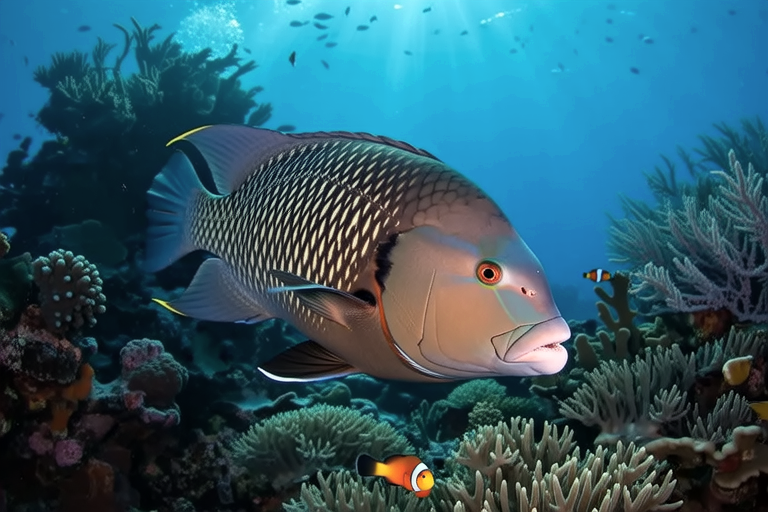
Parrot fish, named for their beak-like mouths and vibrant colors, are some of the most visually striking inhabitants of coral reefs. With hues ranging from electric blues and greens to fiery reds and oranges, they stand out against the backdrop of the ocean floor. These fish are not only beautiful but also highly active, often seen swimming in schools or solo, their movements reminiscent of a synchronized dance.
One of the most notable behaviors of parrot fish is their feeding technique. They use their powerful beaks to scrape algae off coral, leaving behind sand-like particles. This process, known as bioerosion, is essential for the maintenance of coral reefs. By grazing on algae, parrot fish help prevent overgrowth, which could otherwise smother and kill corals. Their diet also includes coral polyps, contributing further to the reef’s structure.
The Role of Parrot Fish in Coral Reef Health
Coral reefs are among the most diverse and productive ecosystems on Earth, supporting thousands of species of fish, invertebrates, and plants. Parrot fish play a critical role in keeping these ecosystems healthy. Their grazing activities prevent algae from overwhelming corals, ensuring that corals can photosynthesize and grow. Without this vital service, many coral species would struggle to survive.
Moreover, the waste products of parrot fish contribute to the recycling of nutrients within the reef ecosystem. Their excretions provide essential nutrients that promote the growth of other organisms, thus facilitating the overall productivity of the reef. This intricate cycle underscores the interconnectedness of marine life and highlights the importance of each species in maintaining the reef’s health.
Nutrient Cycling and the Contribution of Parrot Fish
In addition to their direct impact on coral health, parrot fish significantly contribute to nutrient cycling within marine ecosystems. As they graze on algae and coral polyps, they ingest a variety of nutrients that are then processed and released back into the water. This process enriches the surrounding waters with vital elements such as nitrogen and phosphorus, which are crucial for the growth of phytoplankton, the base of the marine food web.
Phytoplankton, in turn, support the entire marine food chain by providing food for zooplankton, small fish, and larger predators. The efficient recycling of nutrients facilitated by parrot fish ensures that marine ecosystems remain productive and resilient. This complex interaction between different organisms demonstrates the delicate balance that must be maintained for the health of the ocean.
The Impact of Environmental Changes on Parrot Fish Populations
Recent studies have shed light on the challenges faced by parrot fish populations due to environmental changes. Climate change, pollution, and overfishing are significant threats to these vital species. Rising sea temperatures and ocean acidification caused by increased carbon dioxide levels can stress coral reefs, reducing the available habitat for parrot fish. Pollution, particularly plastic debris and chemical runoff, poses another serious threat by contaminating their food sources and habitats.
Overfishing is perhaps the most immediate danger, as parrot fish are often targeted for their brightly colored scales, which are used in jewelry and decorations. The depletion of parrot fish populations can have cascading effects on coral reefs, leading to unchecked algal growth and reduced biodiversity. Conservation efforts are therefore crucial to ensure the survival of these magnificent fish and the ecosystems they sustain.
The Importance of Conservation Efforts
The ecological significance of parrot fish cannot be overstated. Their role in maintaining coral reef health and facilitating nutrient cycling is vital for the overall health of marine ecosystems. Protecting parrot fish and their habitats is essential for preserving the biodiversity and productivity of our oceans.
Conservation initiatives should focus on sustainable fishing practices, the establishment of marine protected areas, and the reduction of pollution. Public awareness campaigns can also play a key role in educating people about the importance of these fish and encouraging responsible behavior. By working together, we can ensure the continued existence of parrot fish and the vibrant ecosystems they inhabit.
In conclusion, the majestic dance of parrot fish is more than just a mesmerizing sight; it is a testament to the intricate relationships within marine ecosystems. Their unique appearance, behaviors, and crucial roles in coral reef health and nutrient cycling make them invaluable contributors to the ocean’s vitality. As stewards of our planet, it is our responsibility to protect these magnificent creatures and the ecosystems they call home.
