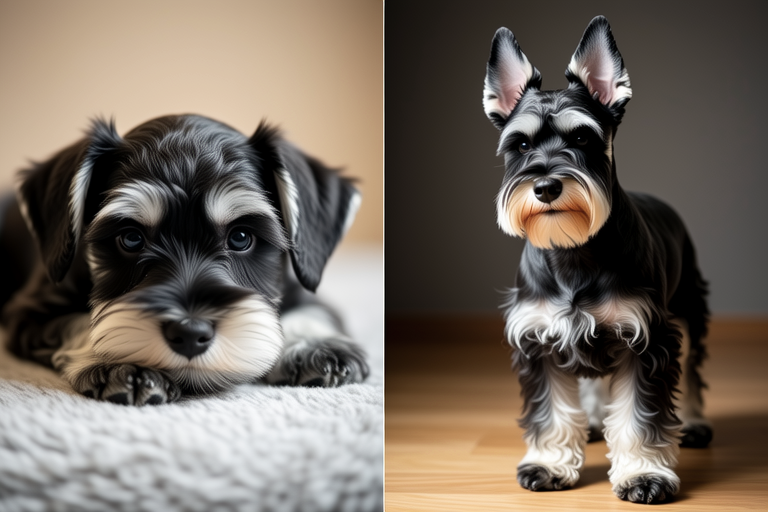
From Puppies to Adults: The Ultimate Schnauzer Growth Journey
The journey from a tiny, vulnerable puppy to a robust adult Schnauzer is nothing short of remarkable. Each stage of this growth process brings unique challenges and joys for both the dog and its owner. Understanding these phases can help you provide the best care and ensure your Schnauzer grows into a healthy, happy adult. This guide will walk you through the key stages of a Schnauzer’s development, highlighting physical changes, behavioral milestones, and care tips for each phase.
Newborn to 8 Weeks: The Early Days
During the first eight weeks of a Schnauzer’s life, they are entirely dependent on their mother for nourishment and warmth. At birth, puppies are blind and deaf, weighing around one pound. By week two, their eyes and ears open, revealing curious, bright eyes and alert ears. They begin to explore their surroundings more actively, though still under their mother’s watchful eye.
At this age, the primary focus is on bonding with their littermates and learning basic social skills. Puppies start to recognize their place within the pack structure, an essential aspect of their future behavior. Owners should limit direct interaction until the puppy is fully vaccinated, usually around 8 weeks old.
Nutrition: During these early weeks, puppies rely on their mother’s milk. Once weaning begins, they should be introduced to high-quality puppy food, rich in protein and fat, which supports rapid growth. Consult your vet for specific dietary recommendations.
Grooming: Grooming during this period is minimal but important. Regular brushing helps prevent matting and keeps their coat clean. Since their nails grow quickly, trim them every few weeks.
Exercise: Encourage gentle playtime to stimulate coordination and muscle development. Avoid overexertion as puppies need plenty of rest to support their growth.
Socialization: Exposing puppies to different people, animals, and environments fosters confidence and reduces fearfulness. Begin introducing them to new experiences gradually.
8 Weeks to 6 Months: The Puppy Stage
Between 8 weeks and 6 months, Schnauzer puppies experience significant physical and behavioral changes. Their energy levels peak, making this an exciting yet challenging time for owners. They become more independent, exploring their environment with curiosity and enthusiasm.
Physical Changes: By four months, Schnauzers have reached about half their adult size. Their coats thicken and darken, developing the signature wiry texture. Teething continues, leading to chewing behavior.
Behavioral Milestones: Puppies learn boundaries and develop good habits through consistent training. They also exhibit increased playfulness and may show signs of separation anxiety when left alone.
Nutrition: Continue feeding high-protein puppy food. Monitor weight gain to avoid obesity, a common issue in Schnauzers. Consult your vet if you’re unsure about portion sizes.
Grooming: Regular grooming becomes essential. Brush their coat weekly to remove loose hair and prevent mats. Professional grooming sessions every six to eight weeks help maintain their appearance.
Exercise: Schnauzers are energetic dogs requiring daily exercise. Short walks, fetch games, and interactive toys keep them physically active and mentally stimulated.
Socialization: Continue exposing them to new experiences and people. Positive reinforcement training techniques work well at this stage. Use treats and praise to reward desired behaviors.
6 Months to 1 Year: Adolescence
Adolescent Schnauzers are full of energy and often display stubbornness. They enter their adolescent phase, where they test limits and challenge authority. This period requires patience and consistency from owners.
Physical Changes: By one year, Schnauzers reach their adult height but continue to fill out. Their coat thickens further, and they may require professional grooming more frequently.
Behavioral Milestones: Adolescents may exhibit more dominant behaviors and test boundaries. Consistent training reinforces obedience and good manners.
Nutrition: Transition to adult dog food if your Schnauzer has reached their adult weight. Ensure the diet includes essential nutrients like omega-3 fatty acids for skin and coat health.
Grooming: Maintain a regular grooming schedule. Regular brushing prevents matting, and professional grooming keeps their coat looking its best.
Exercise: Continue providing ample opportunities for exercise. Schnauzers enjoy agility training, which challenges their mind and body.
Socialization: Socialization remains crucial. Encourage interactions with other dogs and people to promote friendly, confident behavior.
1 Year to 7 Years: Adulthood
Once Schnauzers reach adulthood, they settle into a more predictable routine. They retain their playful nature but become calmer and more reliable companions.
Physical Changes: Adult Schnauzers have reached their full size and maturity. Their coat continues to thicken and darken. Regular grooming remains necessary to maintain their appearance.
Behavioral Milestones: Adult Schnauzers are more settled and obedient. They enjoy routine and may become less tolerant of disruptions to their daily schedule.
Nutrition: Feed a balanced, nutritious diet tailored to adult Schnauzers. Monitor their weight and adjust portions accordingly. Omega-3 fatty acids remain beneficial for skin and coat health.
Grooming: Continue regular brushing and professional grooming. Schnauzers require periodic stripping to maintain their distinctive coat texture.
Exercise: Regular exercise is vital for maintaining their physical and mental health. Schnauzers enjoy brisk walks, fetch, and interactive play.
Socialization: Regular socialization ensures they remain friendly and sociable. Encourage interactions with other dogs and people to promote a well-rounded temperament.
Common Health Issues and Prevention
Schnauzers are generally healthy dogs, but certain conditions are more prevalent among the breed. Regular veterinary check-ups and preventive care can help manage these issues.
- Allergies: Common allergies include flea bites, pollen, and certain foods. Identify triggers and discuss management strategies with your vet.
- Dental Disease: Brush your Schnauzer’s teeth regularly and provide dental chews. Schedule professional cleanings as recommended by your vet.
- Diabetes: Monitor your Schnauzer’s weight and diet. Obesity increases the risk of diabetes. Discuss potential symptoms and treatment options with your vet.
- Hypothyroidism: Regular thyroid function tests can detect this condition early. Follow your vet’s recommendations for managing hypothyroidism.
Personality Traits at Various Life Stages
Schnauzers are known for their intelligence, loyalty, and protective nature. These traits manifest differently at various life stages.
- Puppies: Curious, playful, and eager to learn. They form strong bonds with their owners and respond well to positive reinforcement training.
- Adolescents: More independent and testing boundaries. They may exhibit dominance and require consistent training to reinforce obedience.
- Adults: Calm, loyal, and protective. They enjoy routine and are reliable companions. They respond well to familiar commands and routines.
Training Methods That Work Best for Schnauzers
Schnauzers are intelligent and eager to please, making them quick learners. However, they can be stubborn at times, requiring consistent and patient training.
Positive Reinforcement: Reward good behavior with treats and praise. This method builds trust and encourages desirable actions.
Consistency: Use consistent commands and expectations. This helps Schnauzers understand what is expected of them.
Patience: Training takes time and effort. Be patient and persistent. Celebrate small victories along the way.
From puppies to adults, the journey of a Schnauzer is filled with love, laughter, and learning. By understanding their needs at each stage, you can provide the best care and support for your furry friend. With proper nutrition, grooming, exercise, and socialization, your Schnauzer will grow into a healthy, happy adult. Stay informed, stay involved, and enjoy the incredible bond you share with your beloved companion.
