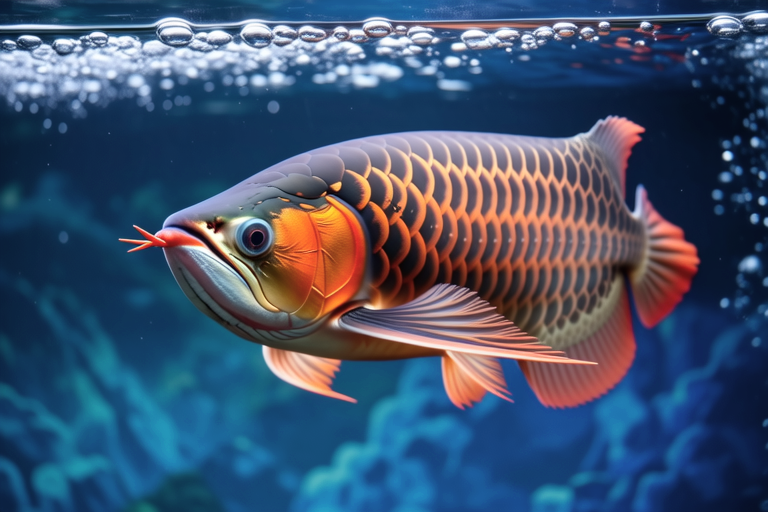
Unleashing the Legend: A Complete Guide to Arowana Care
Arowanas are among the most majestic and captivating freshwater fish, often referred to as ‘Dragon Fish’ due to their striking appearance and regal demeanor. This comprehensive guide aims to provide both novice and seasoned aquarists with all the essential knowledge needed to care for these remarkable creatures.
The History and Significance of Arowanas
The arowana’s history is deeply intertwined with ancient cultures across Asia. Revered for their good fortune and prosperity, these fish have been kept by royalty and wealthy individuals for centuries. In many Asian countries, arowanas are considered symbols of luck and success. Their long bodies, adorned with shimmering scales, have made them a favorite subject in art and literature. Scientifically classified under the Osteoglossidae family, arowanas are known for their prehistoric origins, dating back millions of years.
Detailed Care Instructions
Tank Setup
Creating an optimal environment for your arowana requires careful planning. These fish require spacious tanks, ideally no smaller than 240 gallons for a single adult. The tank should be long rather than tall, allowing ample space for swimming. Decorate with sturdy plants and rocks, ensuring they’re securely anchored to prevent injuries. A sandy substrate mimics their natural habitat and is gentle on their delicate barbels.
Water Parameters
Maintaining proper water quality is crucial. Arowanas prefer slightly acidic to neutral water with a pH range of 6.5 to 7.5. Temperature should be kept between 78°F and 84°F, closely resembling their native tropical environments. Regular testing of ammonia, nitrite, and nitrate levels ensures a healthy aquatic ecosystem.
Filtration Systems
Efficient filtration is vital. Choose a high-quality filter capable of handling large volumes of water effectively. Consideration should be given to biological, mechanical, and chemical filtration methods to ensure the water remains pristine. Additionally, incorporate an efficient protein skimmer to manage organic waste.
Diet and Feeding Schedules
Arowanas are carnivorous and thrive on a varied diet. Offer a mix of live foods such as feeder fish, earthworms, and insects. Supplement with high-protein pellets or sticks designed for large predatory fish. Feed once daily, providing only what can be consumed within five minutes to avoid overfeeding and subsequent water pollution.
Health Issues and Preventive Measures
Common ailments include bacterial infections and fin rot. Regular monitoring of water conditions and diet can prevent these issues. Quarantine new additions to the tank for at least two weeks to minimize the risk of introducing diseases. Implement a consistent cleaning schedule to maintain water clarity and remove any decaying matter.
Breeding Information
Breeding arowanas presents unique challenges. Males typically guard the eggs and fry. Provide a separate breeding tank with appropriate conditions and ample hiding spots. Patience is key, as successful breeding can take time and careful management. Understanding the specific behaviors and needs of each gender enhances the likelihood of successful reproduction.
Tips for Maintaining a Healthy and Happy Arowana
To ensure your arowana remains healthy and vibrant, establish a routine that includes regular water changes, maintaining stable water parameters, and providing a balanced diet. Encourage exercise by offering ample swimming space and engaging enrichment activities. Social interaction, though limited due to their solitary nature, can be facilitated through gentle handling and observation. Regular vet check-ups are also recommended to catch any potential health issues early.
In conclusion, caring for arowanas demands dedication and attention to detail. By following this guide, you’ll not only ensure the well-being of your fish but also enjoy the rewarding experience of owning one of the most captivating species in the aquatic world.
