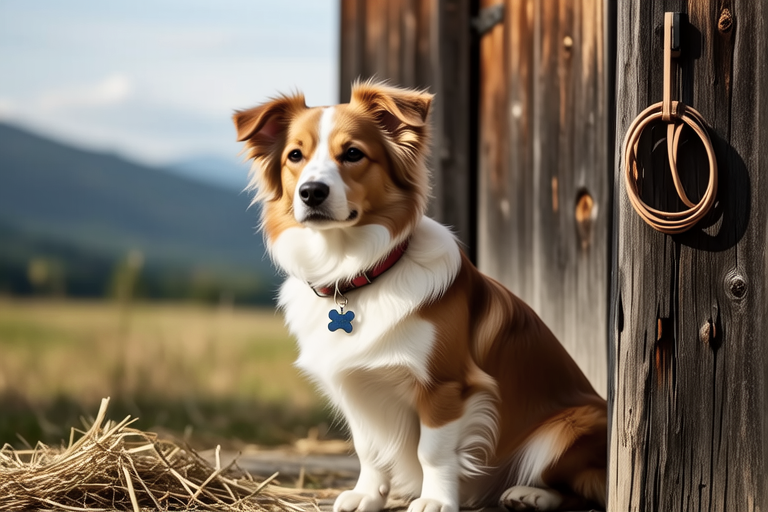
The Evolution of Corgis: From Farm Dogs to Royal Pets
Introduction
Corgis, with their distinctive short stature and long bodies, have captured the hearts of dog lovers worldwide. These charming canines have a rich history that spans centuries, evolving from working dogs on Welsh farms to cherished companions in modern households. This article delves into the origins of Corgis, tracing their journey from their initial roles on farms to their current status as beloved pets. We’ll explore their breed development in Wales, their historical significance with the British royal family, and how their working traits have adapted to fit contemporary lifestyles.
The Origins of Corgis in Wales
The story of Corgis begins in the rugged landscapes of Wales, where they were first bred by farmers. The name ‘Corgi’ itself has roots in the Welsh language; ‘cor’ means ‘dwarf,’ and ‘ci’ means ‘dog.’ This aptly describes the breed’s compact size, which was perfectly suited for the challenging terrain of Welsh farms. The two main types of Corgis, the Pembroke Welsh Corgi and the Cardigan Welsh Corgi, both originated in Wales but developed distinct characteristics over time.
Pembrokes are believed to have been introduced to Wales by Flemish weavers in the 12th century. These early Corgis were likely a mix of local Welsh herding dogs and dogs brought by the Flemish settlers. They were highly valued for their agility and intelligence, making them ideal for herding cattle and other livestock. The Cardigans, on the other hand, are thought to be descendants of the Teckel (a type of dachshund) and the Schipperke, which were brought to Wales by Vikings around the same period. The Cardigan is slightly larger than the Pembroke and has a longer tail, distinguishing it from its cousin.
The unique physical attributes of Corgis made them well-suited for farm work. Their low height allowed them to move under the legs of cattle, nipping at their heels to guide them without causing harm. This trait, known as ‘heeling,’ was crucial for controlling the movement of large animals. Additionally, their strong backs and sturdy legs enabled them to withstand the demands of herding and pulling carts loaded with goods.
The Role of Corgis in Farm Life
In the agricultural heartlands of Wales, Corgis played an essential role in daily farm operations. Their primary task was herding cattle, a job that required precision, endurance, and a deep bond with their human handlers. Farmers relied on Corgis to manage their livestock efficiently, ensuring that the cattle moved smoothly between fields and pastures. Beyond herding, Corgis also helped pull carts filled with harvested crops and supplies, further demonstrating their versatility and strength.
The relationship between farmers and their Corgis was symbiotic. The dogs provided invaluable assistance, while the farmers offered care, shelter, and companionship. This close bond often extended beyond the confines of the farm, with Corgis becoming trusted members of the community. Their loyalty and protective nature made them reliable watchdogs, alerting their owners to potential threats. Over time, Corgis became deeply ingrained in Welsh culture, symbolizing the resilience and resourcefulness of rural life.
The Transition to Companion Animals
As agriculture shifted and urbanization spread, the demand for working dogs like Corgis diminished. However, rather than fading into obscurity, Corgis found a new role as companion animals. Their inherent affectionate nature and playful demeanor made them appealing candidates for adoption as household pets. This transition began in earnest during the late 19th and early 20th centuries when Corgis started appearing in shows and competitions.
The Kennel Club of Great Britain officially recognized the Pembroke Welsh Corgi in 1934, followed by the Cardigan Welsh Corgi in 1935. This recognition marked the beginning of organized breeding programs aimed at preserving the breed’s unique characteristics while enhancing their suitability as companions. Breeders focused on refining the Corgis’ temperament, ensuring that they remained gentle, loyal, and adaptable to various living conditions.
The Royal Connection
One of the most significant factors contributing to the rise in popularity of Corgis was their association with the British royal family. Queen Elizabeth II, who had a lifelong love for Corgis, owned more than 30 of them throughout her reign. Her fondness for the breed began in 1933 when her father, King George VI, gave her a Corgi puppy named Dookie. This gift sparked a lifelong passion for the breed, and Queen Elizabeth II continued to own Corgis even after her husband, Prince Philip, Duke of Edinburgh, passed away.
The royal connection significantly boosted the profile of Corgis, making them fashionable pets among the elite. Their presence at royal events and in the media ensured that Corgis remained in the public eye, fostering a positive image and increasing their appeal. Additionally, the Queen’s dedication to the breed inspired the creation of the Royal Warrant, a mark of recognition granted to suppliers of goods and services to the royal family. This prestigious endorsement further elevated the status of Corgis, cementing their place in the hearts of many.
Adapting to Urban Environments
Despite their origins on farms, Corgis have proven remarkably adaptable to urban environments. Their small size makes them well-suited for apartment living, while their intelligence and trainability make them excellent candidates for obedience training. Modern Corgis still retain many of the traits that made them successful farm dogs, including their herding instincts and high energy levels. However, these qualities have been channeled into activities that suit their new roles as companions.
Today, Corgis participate in various dog sports, such as agility, flyball, and herding trials. These activities provide mental stimulation and physical exercise, helping to keep Corgis healthy and happy. Many owners also engage in therapy work with their Corgis, utilizing their calm demeanor and affectionate nature to bring comfort to those in need. The adaptability of Corgis has allowed them to thrive in diverse settings, from bustling cities to serene suburban neighborhoods.
Notable Characteristics and Folklore
Corgis possess several notable characteristics that have contributed to their enduring popularity. Their distinctive appearance, with their short legs and long bodies, is one of their most recognizable features. This unique physique is the result of centuries of selective breeding aimed at producing dogs that could effectively herd livestock. Another hallmark of the breed is their expressive faces, which convey a wide range of emotions, making them particularly endearing to humans.
Corgis are also known for their intelligence and independence, traits that have served them well in both their original roles and their current ones. Their problem-solving abilities enable them to excel in training and competition, while their independent streak allows them to think for themselves. Despite this independence, Corgis remain deeply attached to their human families, forming strong bonds with their owners.
In addition to their practical attributes, Corgis are surrounded by folklore and mythology. One popular myth suggests that Corgis were once used by fairies to pull their chariots. According to this legend, fairies would leave behind small tokens of gratitude for the dogs, which is why Corgis often display white markings on their chests and paws. While this tale adds an element of whimsy to the breed’s history, it also underscores the cultural significance of Corgis in Welsh folklore.
Key Milestones in Corgi History
The history of Corgis is punctuated by several key milestones that have shaped the breed’s development:
- 1934: The Kennel Club of Great Britain recognizes the Pembroke Welsh Corgi.
- 1935: The Cardigan Welsh Corgi is officially recognized by the Kennel Club of Great Britain.
- 1933: Queen Elizabeth II receives her first Corgi, Dookie, sparking her lifelong love for the breed.
- 1978: The American Kennel Club recognizes the Pembroke Welsh Corgi.
- 1985: The American Kennel Club recognizes the Cardigan Welsh Corgi.
These milestones reflect the growing recognition and appreciation of Corgis both within the United Kingdom and internationally. As the breed gained prominence, efforts were made to standardize their appearance and behavior, ensuring consistency across different regions.
Conclusion
The evolution of Corgis from farm dogs to royal pets is a testament to their adaptability and enduring appeal. From their humble beginnings in the Welsh countryside to their current status as beloved companions, Corgis have maintained their charm and utility. Their rich history, combined with their distinctive appearance and lovable personalities, ensures that Corgis will continue to capture the hearts of dog lovers for generations to come.
