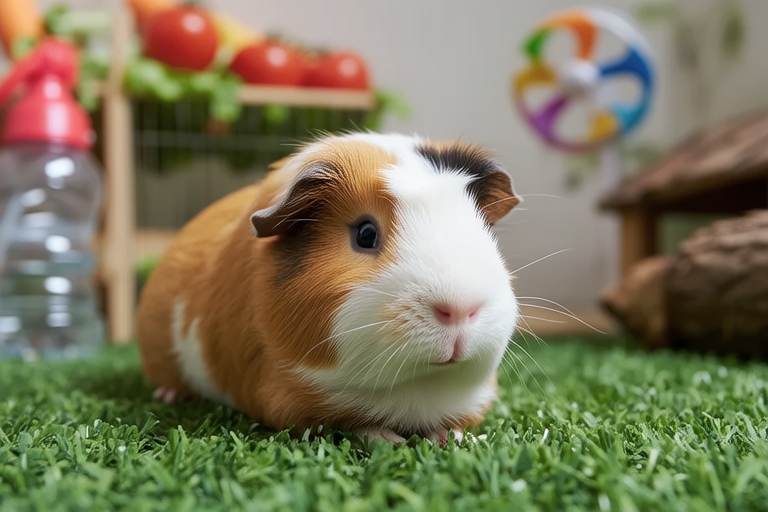
5 Essential Tips for Keeping Your Guinea Pig Happy and Healthy
Guinea pigs, also known as cavies, are delightful pets that bring joy and companionship to many households. Originating from South America, these small rodents have been domesticated for centuries and are popular among both novice and experienced pet owners. Their gentle nature, combined with their unique vocalizations and playful behaviors, makes them endearing creatures. However, ensuring your guinea pig’s happiness and well-being requires careful attention to several key areas: diet, housing, exercise, social interaction, and regular health check-ups.
1. A Nutritious Diet for Optimal Health
Proper nutrition is fundamental to maintaining your guinea pig’s health. These animals require a diet rich in fiber, vitamins, and minerals. The cornerstone of their diet should be hay, which aids digestion and keeps their teeth healthy. Timothy hay is particularly recommended, as it provides essential nutrients and helps wear down their continuously growing teeth. Alfalfa hay can be given occasionally but should not replace timothy hay entirely due to its higher calcium content, which may lead to urinary tract issues if consumed excessively.
In addition to hay, fresh vegetables form another vital component of your guinea pig’s diet. Leafy greens such as kale, romaine lettuce, and parsley offer necessary vitamins and minerals. It’s important to introduce new vegetables gradually to prevent digestive upset. Carrots, bell peppers, and broccoli are also beneficial, but they should be fed sparingly due to their high sugar content. Always wash vegetables thoroughly before feeding them to your guinea pig to remove any pesticides or dirt.
Vitamin C is crucial for guinea pigs, as they cannot synthesize it themselves. Deficiency can lead to scurvy, causing lethargy, joint pain, and weakened immune systems. Fresh fruits like strawberries, oranges, and kiwis provide this essential vitamin. However, fruits should be offered in moderation because of their natural sugars. Pellets formulated specifically for guinea pigs also contain vitamin C; ensure you choose a high-quality brand and follow the recommended serving size on the packaging.
Avoid feeding your guinea pig human food or processed treats that lack nutritional value. Foods containing nuts, seeds, or chocolate are harmful and can cause obesity or other health problems. Instead, opt for commercially available guinea pig treats that are fortified with essential nutrients. Regularly monitor your pet’s weight and adjust their diet accordingly to maintain a healthy body condition.
2. Suitable Housing for Comfort and Safety
The right living environment is critical for your guinea pig’s physical and mental well-being. Provide a spacious cage that allows ample room for movement and exploration. A minimum cage size of 7.5 square feet (0.7 meters squared) per guinea pig is advisable. Larger cages promote better circulation, reduce stress, and allow for more activities. Position the cage away from direct sunlight, drafts, and excessive noise to create a calm atmosphere.
Line the bottom of the cage with appropriate bedding material to absorb waste and provide comfort. Shredded paper, recycled newspaper products, or wood shavings (without added scents) make suitable choices. Avoid cedar or pine shavings, as they release aromatic oils that can irritate your guinea pig’s respiratory system. Change the bedding frequently to maintain hygiene and prevent odors.
Incorporate hiding spots, tunnels, and chew toys into the cage setup to encourage natural behaviors and mental stimulation. Cardboard boxes, untreated wooden blocks, and safe plastic tubes serve as excellent enrichment items. Rotate these objects periodically to keep your guinea pig engaged. Additionally, consider adding a wheel designed specifically for guinea pigs. Wheels with solid surfaces rather than wire mesh are safer and prevent injury.
Ensure the cage has adequate ventilation to prevent the buildup of ammonia from urine. Proper airflow helps maintain clean air quality within the enclosure. If possible, place the cage near an area where family members spend time, allowing your guinea pig to feel part of the household. This social interaction fosters emotional well-being and strengthens the bond between you and your pet.
3. Encouraging Regular Exercise for Physical Fitness
Exercise is essential for maintaining your guinea pig’s physical fitness and preventing obesity. Daily out-of-cage time promotes activity and reduces boredom. Supervised play sessions in a safe, enclosed area allow your guinea pig to explore, run, and interact with their surroundings. Choose a space free from hazards, such as electrical cords, sharp objects, or toxic plants.
Create an exercise routine that includes supervised playtime outside the cage. Ten to fifteen minutes twice daily is ideal, but individual preferences may vary. During these sessions, engage your guinea pig in gentle play, encouraging them to move around. Offer tunnels, ramps, and other structures to stimulate climbing and jumping. These activities help develop coordination and muscle strength while providing mental stimulation.
Outdoor excursions can also benefit your guinea pig’s health, provided certain precautions are taken. On warm, sunny days, bring your pet outside for short periods in a secure, predator-proof enclosure. Direct sunlight exposure helps regulate vitamin D levels, contributing to bone health. Always supervise outdoor activities closely and ensure the area is free from dangers like pesticides, poisonous plants, or open water sources.
Indoor play areas should be enriched with various textures and surfaces to enhance sensory experiences. Introduce soft blankets, tunnels, and cardboard boxes to mimic natural environments. Rotate these items regularly to maintain novelty and interest. Incorporating different elements encourages exploration and prevents monotony.
4. Fostering Social Interaction for Emotional Well-Being
Social interaction plays a significant role in your guinea pig’s emotional health. These animals are naturally social creatures that thrive in the presence of others. Providing companionship through fellow guinea pigs or human interaction can greatly improve their quality of life. Consider adopting a compatible companion for your guinea pig to share the cage. Introducing a same-sex pair or trio often works best to avoid territorial disputes and unwanted breeding.
When introducing new guinea pigs, proceed cautiously to ensure compatibility. Place them in separate enclosures initially and gradually introduce them under supervision. Monitor their interactions closely for signs of aggression or discomfort. Once they establish a positive relationship, they can cohabit comfortably. Compatible pairs or groups enjoy grooming each other, playing together, and sharing resources, which fosters strong bonds.
Human interaction is equally important for your guinea pig’s emotional well-being. Spend quality time with your pet daily, handling them gently and speaking softly. Petting, brushing, and playing with your guinea pig build trust and strengthen the bond. Guinea pigs respond positively to familiar voices and touch, which can reduce anxiety and promote relaxation.
Training techniques, such as clicker training or positive reinforcement methods, can further enhance communication and bonding. Teaching simple commands or tricks reinforces positive behavior and encourages mental engagement. Reward your guinea pig with treats or praise when they exhibit desired actions. Consistency and patience are key in establishing effective training routines.
5. Regular Health Check-Ups for Early Detection of Issues
Regular veterinary care is crucial for identifying potential health issues early and addressing them promptly. Schedule annual check-ups with a veterinarian experienced in treating small mammals. During these visits, the vet will perform a thorough examination, including assessing overall body condition, dental health, and internal organs. They may recommend vaccinations or preventive treatments based on your guinea pig’s age and lifestyle.
Monitor your guinea pig’s behavior and appearance daily for any changes that could indicate illness. Common signs of distress include lethargy, loss of appetite, abnormal droppings, excessive scratching, or unusual vocalizations. Addressing these symptoms promptly can prevent minor issues from escalating into more serious conditions. Establish a routine for checking your guinea pig’s eyes, ears, nose, and coat for any abnormalities.
Dental health is particularly important for guinea pigs, as malocclusion (improper tooth alignment) can cause significant pain and difficulty eating. Provide plenty of hay and chew toys to help wear down continuously growing teeth. If you notice signs of dental problems, such as drooling, weight loss, or difficulty chewing, consult your veterinarian immediately. They may recommend dental trimmings or other interventions to restore proper function.
Maintain a clean living environment to minimize the risk of infections and parasites. Clean the cage regularly, removing soiled bedding and debris. Disinfect the cage and accessories periodically using pet-safe cleaning solutions. Avoid harsh chemicals that could irritate your guinea pig’s sensitive respiratory system. Quarantine any new additions to the household for at least two weeks to prevent the introduction of diseases.
Stay informed about common health concerns affecting guinea pigs, such as respiratory infections, bladder stones, and tumors. Educate yourself on preventive measures and treatment options. Building a relationship with a trusted veterinarian who specializes in exotic pets ensures access to reliable advice and timely care when needed.
Conclusion
By following these five essential tips, you can significantly enhance your guinea pig’s happiness and health. Providing a balanced diet, suitable housing, regular exercise, social interaction, and routine veterinary care sets the foundation for a fulfilling life together. Each aspect contributes to your pet’s physical and emotional well-being, ensuring they live comfortably and happily. With attentive care and love, you can enjoy a rewarding companionship with your guinea pig for years to come.
