Mesmerizing Facts About the Exotic Arowana: King of Aquatic Giants
The arowana, often referred to as the dragonfish due to its prehistoric appearance, is one of the most fascinating creatures in the aquatic world. Known for its striking beauty, impressive size, and unique behaviors, the arowana has captivated the hearts of aquarists and enthusiasts alike. This article delves into the mesmerizing facts about the arowana, exploring its physical characteristics, habitat, behavior, and unique abilities. Additionally, we will discuss its cultural significance and the challenges it faces in the wild.
Physical Characteristics
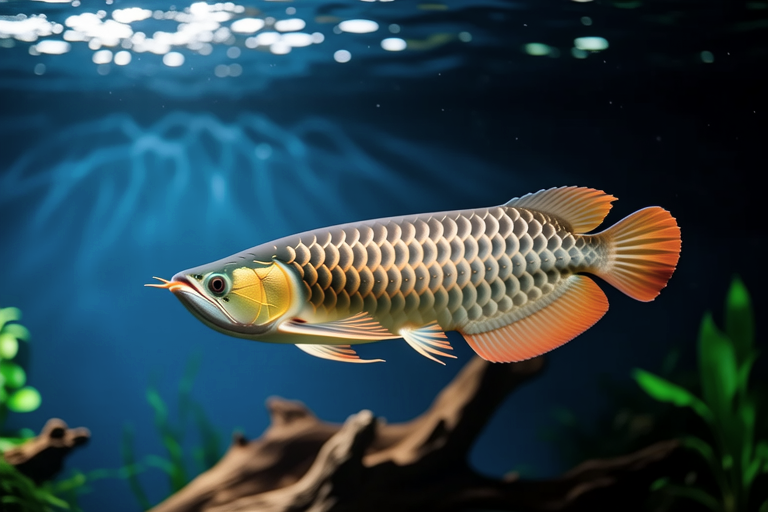
The arowana is a true aquatic giant, with some species growing up to 3 feet in length. Its elongated body, covered in shimmering scales that reflect light like mirrors, gives it a regal appearance. The arowana’s mouth is wide and equipped with sharp teeth, designed for catching prey. One of the most distinctive features of the arowana is its ability to leap out of the water to catch insects and small birds, a trait that earned it the nickname ‘flying dragon.’
The arowana’s eyes are large and positioned on top of its head, allowing it to see above the water’s surface. This adaptation enables the arowana to spot potential prey from a distance. Its coloration varies depending on the species and habitat, but many arowanas have iridescent scales that change color in different lighting conditions, making them appear almost magical.
Habitat and Distribution
Native to the rivers and freshwater lakes of Southeast Asia, South America, and Africa, the arowana thrives in warm, slow-moving waters. It prefers habitats with dense vegetation and submerged logs, which provide hiding spots and ambush points. The arowana’s natural environment includes areas such as the Amazon River Basin, the Mekong River Delta, and the rivers of Borneo. These regions offer the ideal combination of temperature, water quality, and food sources for the arowana to flourish.
Despite its widespread distribution, the arowana is highly sensitive to environmental changes. Deforestation, pollution, and overfishing have significantly impacted its natural habitats. As a result, several species of arowana are now considered endangered or vulnerable, prompting conservation efforts to protect these magnificent creatures.
Behavior and Unique Abilities
The arowana is a solitary predator, spending much of its time lurking in the shadows, waiting for prey to come within reach. Its diet consists primarily of insects, crustaceans, and small fish, but it is also known to consume birds and bats that venture too close to the water’s edge. The arowana’s ability to leap out of the water to catch airborne prey is one of its most remarkable traits. This behavior, known as ‘surface predation,’ showcases the arowana’s agility and hunting prowess.
In addition to its impressive jumping ability, the arowana possesses another unique skill: parental care. Male arowanas carry fertilized eggs in their mouths until they hatch, providing protection from predators. After hatching, the young arowanas continue to receive care from their father for several weeks, ensuring their survival in the complex underwater ecosystem.
