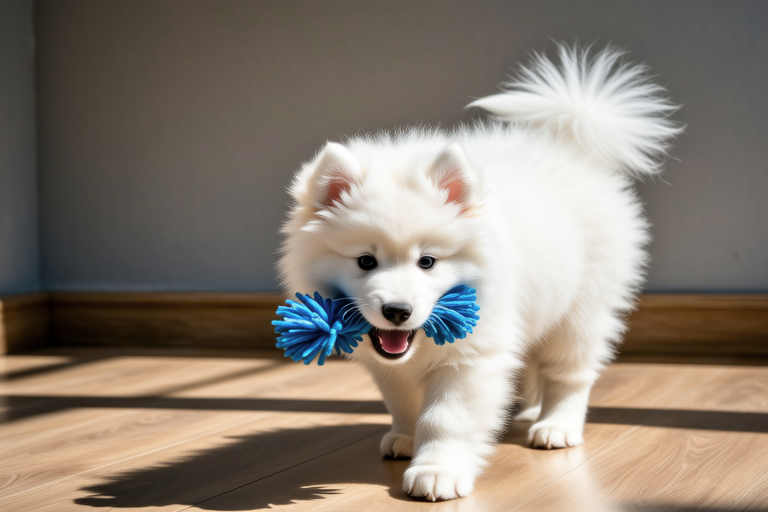
Samoyed Puppies: Training Tips and Tricks for First-Time Owners
Welcome to the wonderful world of Samoyed puppies! Known for their striking white coats and friendly dispositions, these dogs have become increasingly popular among pet lovers. Their loyalty, intelligence, and playful nature make them ideal companions for families and first-time dog owners alike. However, raising a Samoyed puppy requires dedication and proper training to ensure they grow into well-behaved adult dogs. This article will guide you through the essential steps of training your Samoyed puppy, from basic commands to housebreaking and socialization.
Understanding Your Samoyed Puppy
Before diving into training techniques, it’s important to understand the unique traits of Samoyeds. These dogs are highly energetic and thrive on physical activity. They are also very social and love being around people, making them excellent family pets. However, their independent streak can sometimes pose challenges when it comes to training. With patience and consistent effort, you can successfully train your Samoyed puppy to be a well-adjusted and obedient companion.
Basic Training Techniques
Training your Samoyed puppy begins with teaching them basic commands. Commands like ‘sit’, ‘stay’, ‘come’, and ‘leave it’ form the foundation of good behavior. Start by choosing a quiet environment with minimal distractions. Use positive reinforcement, such as treats or praise, to reward your puppy when they follow a command correctly. For instance, when teaching ‘sit’, hold a treat above your puppy’s head and say ‘sit’. As they look up, their bottom should naturally lower. Once they sit, give them the treat and plenty of praise. Repeat this process several times a day until your puppy masters the command.
Consistency is key in training. Always use the same command word for each action and maintain a cheerful yet firm tone. Avoid shouting or showing frustration, as this can scare your puppy and hinder the learning process. Instead, focus on creating a positive association between commands and rewards. Over time, your puppy will learn to respond reliably to your commands.
Housebreaking Methods
One of the most challenging aspects of owning a new puppy is housebreaking. Patience and persistence are crucial during this phase. Establish a routine for feeding and potty breaks to help regulate your puppy’s bathroom habits. Take your puppy outside to a designated spot after meals, naps, and playtime. Praise them generously when they eliminate outdoors. If accidents occur indoors, clean the area thoroughly to remove any scent that might encourage repeat incidents. Never punish your puppy for accidents; instead, redirect them to the appropriate outdoor location and praise them when they go there.
Using crate training can also aid in housebreaking. A crate provides a safe space for your puppy and helps them develop bladder control. Place the crate in a quiet area of your home where your puppy won’t feel isolated. Encourage your puppy to enter the crate by placing treats inside and leaving the door open. Gradually increase the amount of time your puppy spends in the crate, ensuring they are comfortable and not confined for too long. Remember, the crate should never be used as a punishment.
Socialization Tips
Socializing your Samoyed puppy is essential for their emotional and behavioral development. Expose your puppy to various environments, people, and other animals from a young age. Positive experiences will help your puppy grow into a confident and well-rounded adult dog. Start by inviting friends and family over to meet your puppy in a controlled setting. Gradually introduce your puppy to different places, such as parks, pet stores, and dog-friendly cafes. Always ensure these outings are enjoyable and free from stress.
Dog parks can be great places for socialization, but exercise caution. Monitor your puppy closely to prevent aggressive encounters or rough play. If your puppy shows signs of fear or discomfort, gently remove them from the situation and try again another day. Consistent exposure to diverse stimuli will help your puppy build resilience and adaptability.
Common Behavioral Issues and Solutions
Despite your best efforts, some behavioral issues may arise as your Samoyed puppy grows. Barking, chewing, and separation anxiety are common problems that require patience and proactive management.
Barking can be a challenge, especially if your puppy is bored or seeking attention. Teach your puppy the ‘quiet’ command by saying ‘quiet’ and covering their mouth gently while they stop barking. Reward them immediately when they comply. Consistency and positive reinforcement will help curb excessive barking.
Chewing is a natural behavior for puppies, but it can lead to destructive habits if left unchecked. Provide your puppy with appropriate chew toys and rotate them regularly to keep them engaged. When you catch your puppy chewing on something inappropriate, redirect them to a suitable toy and praise them for the correct choice. Gradually, your puppy will learn what items are acceptable to chew.
Separation anxiety is another issue that can develop if your puppy becomes overly attached to you. To prevent this, gradually increase the time you spend away from your puppy. Start by leaving the room for short periods and return before your puppy becomes anxious. Over time, extend the duration of your absences. Providing your puppy with a comforting item, like a blanket or toy, can also help ease their anxiety.
Maintaining Consistency and Patience
Training your Samoyed puppy requires commitment and perseverance. Set realistic goals and celebrate small victories along the way. Remember, every puppy learns at their own pace, and occasional setbacks are normal. Stay patient and consistent, and your puppy will eventually master the skills needed to live harmoniously within your household.
Establishing a routine is vital for both training and daily life. Feed your puppy at regular intervals, take them out for potty breaks, and schedule play and training sessions. A structured routine helps your puppy feel secure and predictable, which in turn promotes better behavior.
Resources for Further Learning and Support
If you’re looking for additional guidance or support, consider joining a local dog training group or online community. These resources offer valuable insights and practical advice from experienced trainers and fellow pet owners. Many cities host puppy classes specifically designed for new owners, providing hands-on training and socialization opportunities.
Books and websites dedicated to dog training can also be helpful. Look for reputable sources that emphasize positive reinforcement and gentle techniques. Some recommended titles include ‘The Perfect Puppy’ by Gwen Bailey and ‘How to Raise the Perfect Dog’ by Cesar Millan. These books provide comprehensive guides to puppy care and training, offering practical solutions to common challenges.
Finally, don’t hesitate to consult with a professional trainer or veterinarian if you encounter persistent behavioral issues. They can offer personalized advice and tailored strategies to address specific concerns.
Raising a Samoyed puppy is a rewarding journey filled with love, laughter, and learning. By following these training tips and maintaining a positive, patient approach, you’ll help your puppy grow into a happy, well-behaved member of your family. Enjoy the adventure!
