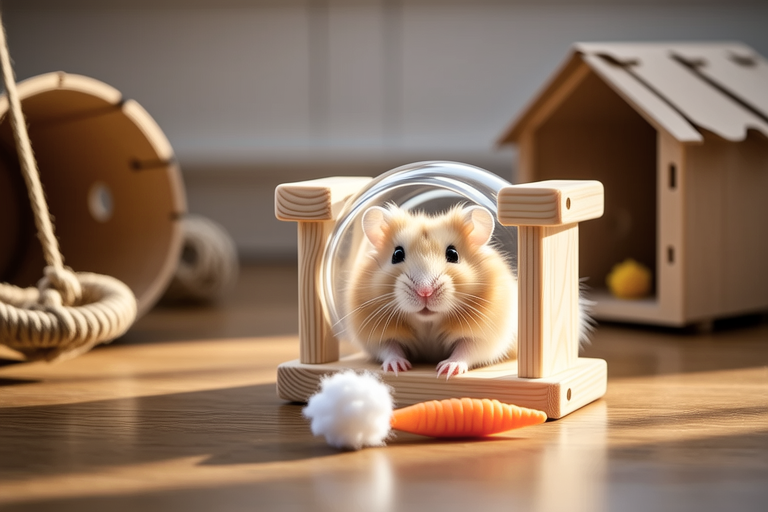
DIY Toys and Accessories That Will Keep Your Golden Hamster Happy
Welcome to the wonderful world of golden hamsters! These small, furry creatures are full of energy and curiosity, making them delightful pets. However, they also have a high need for stimulation. A bored hamster can become depressed, anxious, or even aggressive. Therefore, it’s crucial to provide your golden hamster with a variety of toys and activities that cater to their physical and mental well-being. In this article, we’ll explore five DIY toy ideas that you can easily make at home using common household items. Each toy will be accompanied by step-by-step instructions and an explanation of its benefits for your hamster.
The Importance of Stimulation for Golden Hamsters
Golden hamsters are nocturnal animals, meaning they are most active during the night. This natural behavior means they spend much of their day sleeping and resting. However, when they’re awake, they require plenty of stimulation to keep them entertained and healthy. Providing toys and accessories that encourage exploration, exercise, and problem-solving can significantly enhance your hamster’s quality of life. Additionally, stimulating activities help prevent obesity, which is a common issue among inactive hamsters.
DIY Toy Ideas for Your Golden Hamster
1. Cardboard Tunnel
Materials: Cardboard tubes (e.g., from paper towels or toilet paper), tape, scissors.
- Cut several cardboard tubes into smaller sections.
- Tape the ends of the tubes together to form a tunnel.
- Create multiple tunnels of different lengths and connect them to form a maze.
This tunnel provides a safe space for your hamster to explore and hide. It also encourages physical activity as your hamster runs through the tunnels. The maze-like structure stimulates cognitive development by challenging your hamster to navigate through different paths.
2. Wooden Ladder
Materials: Thin wooden sticks or dowels, glue, sandpaper.
- Measure and cut the wooden sticks into equal lengths for rungs.
- Glue the rungs onto a vertical stick to form a ladder.
- Sand the entire structure to remove any rough edges.
The ladder is perfect for climbing and exercising your hamster’s muscles. Climbing helps improve coordination and balance, which are essential for hamsters living in an environment where they frequently move vertically. Additionally, the ladder provides mental stimulation as your hamster figures out how to climb up and down.
3. Paper Ball Toss
Materials: Scrap paper, scissors.
- Crumple several pieces of paper into balls.
- Throw the paper balls into your hamster’s cage for them to chase after.
This simple game offers both physical and mental engagement. Chasing after the paper balls provides cardiovascular exercise, while trying to catch them enhances hand-eye coordination. Moreover, the unpredictability of the thrown balls keeps your hamster engaged and prevents boredom.
4. Plastic Bottle Maze
Materials: Clear plastic bottles, scissors, duct tape.
- Cut the bottles into rings and attach them to one another using duct tape.
- Arrange the rings in a circular pattern to form a maze.
The maze made from plastic bottles is excellent for encouraging exploration and physical activity. The transparent nature of the bottles allows your hamster to see through them, which can intrigue them to investigate further. Additionally, the maze structure challenges your hamster to find different pathways, promoting cognitive development.
5. Puzzle Feeder
Materials: Small plastic container with a lid, hole puncher, treats.
- Punch several small holes in the lid of the container.
- Place treats inside the container and secure the lid.
The puzzle feeder turns feeding time into an engaging activity. Your hamster must work to get the treats out of the container, which stimulates problem-solving skills. This type of enrichment helps reduce stress and anxiety, as it provides a sense of accomplishment when your hamster successfully retrieves the treats.
Safety Tips When Creating DIY Toys
While creating DIY toys for your hamster can be a fun and rewarding experience, it’s essential to prioritize safety. Here are some tips to ensure your homemade toys are safe for your pet:
- Avoid using materials that could be toxic or harmful if ingested, such as plastic bags or rubber bands.
- Ensure all edges are smooth and free of sharp points that could injure your hamster.
- Regularly inspect toys for signs of wear and tear, and replace them if necessary.
- Supervise your hamster when introducing new toys to ensure they are used safely.
Rotating Toys to Prevent Boredom
Even the most engaging toys can become monotonous if presented repeatedly. To keep your hamster mentally stimulated and physically active, it’s advisable to rotate toys every few days. This rotation introduces novelty into your hamster’s environment, preventing boredom and maintaining their interest in playtime. Additionally, rotating toys can help prevent overuse-related wear and tear, ensuring your hamster always has safe and enjoyable playthings.
In conclusion, providing your golden hamster with a variety of DIY toys and accessories can greatly enhance their happiness and well-being. By following the simple instructions outlined in this article, you can create stimulating and safe toys that cater to your hamster’s physical and mental needs. Remember to regularly rotate toys to keep your pet engaged and entertained. With these DIY toys, your golden hamster will have endless opportunities for fun and exploration.
