How to Decode the Enigmatic Behaviors of Siamese Cats
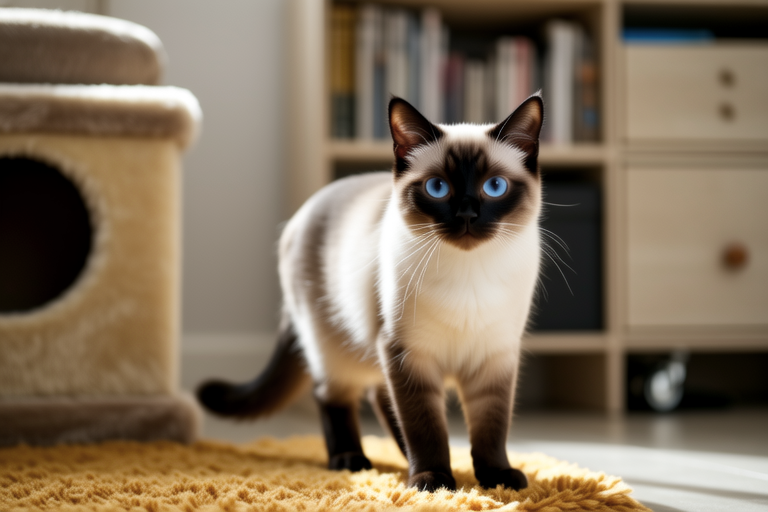
Welcome to the world of Siamese cats, one of the most fascinating and historically rich breeds in the feline kingdom. Known for their striking blue almond-shaped eyes, sleek coats, and distinctive color points, Siamese cats have captured the hearts of cat lovers worldwide. Originating from Thailand, formerly known as Siam, these elegant creatures have been cherished for centuries. Their history dates back to the 14th century, where they were revered by royalty and were often kept in temples. Today, Siamese cats are popular pets, celebrated for their intelligence, sociability, and unique personalities.
The Unique Characteristics of Siamese Cats
Siamese cats are distinguished by their striking appearance and distinctive features. They have a slender, muscular build, which is complemented by their long, tapering tails and wedge-shaped heads. The breed’s coat is short and fine, with color points on the ears, face, paws, and tail contrasting against a lighter undercoat. This coloration is the result of a temperature-sensitive gene that restricts pigment production in cooler parts of the body. Siamese cats come in various colors, including seal point, chocolate point, blue point, and lilac point.
Historical Background
The Siamese breed has a rich history dating back to ancient Siam (modern-day Thailand). These cats were considered sacred and were often kept in royal palaces and Buddhist temples. According to legend, Siamese cats guarded valuable objects, wrapping their tails around them to protect them from theft. In the late 19th century, Siamese cats were introduced to the West when several were gifted to European royalty. Their popularity soared, and they quickly became favorites among cat enthusiasts.
Common Behaviors of Siamese Cats
Vocalization
One of the most notable traits of Siamese cats is their vocalization. They are known for being talkative, often engaging in conversations with their human companions. Siamese cats may chirp, meow, or even trill, using a range of sounds to express their needs, desires, or simply to chat. While some people might find this constant chatter overwhelming, it is a natural behavior for Siamese cats and a sign of their intelligence and social nature.
Affectionate Tendencies
Siamese cats are highly affectionate and thrive on human interaction. They enjoy being close to their owners, often seeking out physical contact and attention. These cats form strong bonds with their human families and may become distressed if left alone for extended periods. Siamese cats are known to follow their owners around the house, curl up next to them on the couch, or even sleep in bed with them. Their affectionate nature makes them ideal companions for individuals who enjoy a close relationship with their pets.
Interaction with Humans
Siamese cats are curious and playful, often engaging in interactive play with their owners. They enjoy games that involve toys and can be taught tricks, making them excellent candidates for training. Siamese cats are also very observant and can quickly learn routines and anticipate events. For instance, they may position themselves near doorways to greet visitors or wait patiently for feeding times. Their intelligence and adaptability make them enjoyable and rewarding pets.
Deciphering Body Language and Vocal Cues
To fully understand your Siamese cat, it is essential to pay attention to their body language and vocal cues. Siamese cats communicate through a variety of signals, both visual and auditory, which can provide insight into their emotional state and needs.
Body Language
- Ears: Erect ears indicate alertness and interest, while flattened ears may suggest fear or discomfort.
- Tail: A relaxed tail held upright indicates happiness, while a tucked tail may signal fear or submission.
- Paw: Purring while kneading with their paws is a sign of contentment and trust.
- Posture: A relaxed posture with a stretched-out body suggests comfort, whereas a hunched or tense posture may indicate stress or anxiety.
Vocal Cues
- Meowing: A high-pitched meow can indicate excitement or a request for attention, while a low-pitched meow may signal distress or discomfort.
- Chirping: This sound is often used during play and can be a sign of curiosity or excitement.
- Trilling: Trills are typically associated with positive emotions and can be a way of greeting or expressing contentment.
Bonding with Your Siamese Cat
Building a strong bond with your Siamese cat requires time, patience, and consistent effort. Here are some tips to help you strengthen your relationship:
Interactive Play
Engage your Siamese cat in interactive play sessions using toys that stimulate their hunting instincts. Wand toys, laser pointers, and puzzle feeders are excellent choices. Regular playtime not only keeps your cat physically active but also mentally engaged, fostering a stronger connection between you and your pet.
Training
Siamese cats are intelligent and can be trained to perform simple tricks, such as sitting, coming when called, or using a scratching post. Training provides mental stimulation and helps reinforce positive behaviors. Use treats and praise to reward desired actions, and always maintain a patient and encouraging attitude.
Quality Time
While Siamese cats are generally well-behaved, some may exhibit challenging behaviors. Understanding the root causes of these behaviors can help you address them effectively.
Separation Anxiety
Due to their strong attachment to their owners, Siamese cats may experience separation anxiety when left alone for extended periods. To mitigate this, gradually acclimate your cat to being alone by leaving them for short periods initially and gradually increasing the duration. Providing toys, food puzzles, and comfortable resting areas can also help ease their anxiety.
Aggression
In some cases, Siamese cats may display aggressive behavior, such as biting or scratching. Aggression can stem from various factors, including fear, territoriality, or frustration. Addressing the underlying cause is crucial in resolving aggression. Redirecting their energy through play, providing ample space, and ensuring proper socialization can help prevent and manage aggressive behavior.
Maintaining a Healthy and Stimulating Environment
To ensure your Siamese cat remains happy and healthy, it is important to create a stimulating and enriching environment that meets their physical and mental needs.
Physical Exercise
Siamese cats are active and require regular exercise to maintain their health. Provide opportunities for physical activity through play, climbing structures, and scratching posts. Encourage your cat to engage in activities that promote agility and strength, such as chasing toys or climbing trees.
Environmental Enrichment
Enrich your Siamese cat’s environment with toys, perches, and hiding spots to keep them mentally stimulated. Rotate toys periodically to prevent boredom and introduce new items to keep them interested. Consider creating a window perch or bird feeder outside to provide entertainment and stimulation.
Nutrition
Feed your Siamese cat a balanced diet that meets their nutritional needs. Consult with your veterinarian to determine the appropriate amount and type of food for your cat based on their age, weight, and activity level. Fresh water should always be available, and avoid overfeeding to prevent obesity.
Veterinary Care
Regular veterinary check-ups are essential to monitor your Siamese cat’s health and address any potential issues early. Keep vaccinations up-to-date and schedule routine dental cleanings to maintain oral hygiene. Be attentive to changes in your cat’s behavior or physical condition and seek veterinary care promptly if necessary.
In conclusion, decoding the enigmatic behaviors of Siamese cats involves understanding their unique characteristics, historical background, and common behaviors. By paying attention to their body language and vocal cues, bonding through interactive play and training, addressing behavioral challenges, and maintaining a healthy and stimulating environment, you can foster a strong and rewarding relationship with your Siamese cat. With love, patience, and dedication, you will discover the joys and wonders of owning one of these captivating and intelligent felines.
