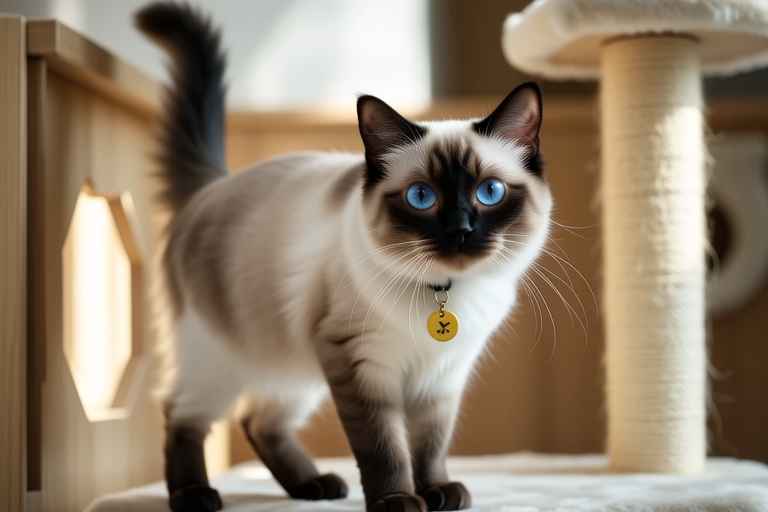
10 Secrets Every Siamese Cat Owner Should Know
Welcome to the fascinating world of Siamese cats! These elegant and charismatic felines have captured the hearts of many with their striking blue almond-shaped eyes, sleek coats, and unmistakable vocal tendencies. If you’re a proud owner or considering adopting one, you’ve come to the right place. This article will reveal ten secrets that every Siamese cat owner should know, providing you with unique insights into their behavior, care, and overall well-being.
1. Understanding Siamese Cat Behavior: A Social Butterfly’s Mindset
Siamese cats are renowned for their sociability and strong attachment to their human companions. They thrive on interaction and can become quite distressed if left alone for extended periods. Their high level of intelligence means they often seek out ways to engage with their environment, sometimes leading to mischief if not provided with sufficient mental stimulation. To keep your Siamese happy and occupied, consider interactive toys, puzzle feeders, and regular play sessions. This not only satisfies their need for engagement but also helps prevent destructive behaviors.
2. Care Tips: Creating a Comfortable Environment
Siamese cats require a nurturing and stimulating environment to flourish. Start by ensuring your home is cat-proofed, with secure windows and childproof locks on cabinets. Provide them with comfortable resting spots, preferably in quiet areas where they can retreat when needed. Siamese cats also appreciate vertical spaces; invest in cat trees or shelves to allow them to climb and perch. Additionally, establish a consistent daily routine that includes feeding times, play sessions, and grooming. Routine provides a sense of security and predictability, which is especially important for these emotionally sensitive cats.
3. Common Health Issues: Keeping Your Siamese Healthy
Like all breeds, Siamese cats are prone to certain health conditions. Hypertrophic cardiomyopathy (HCM) is a heart disease that can affect Siamese cats, causing thickening of the heart muscle. Regular veterinary check-ups, including heart screenings, are essential for early detection and management. Another concern is dental disease, which can lead to pain and other systemic health issues. Brushing your cat’s teeth regularly and providing dental chews can help maintain oral hygiene. Genetic predispositions like Progressive Retinal Atrophy (PRA), a degenerative eye disease, also warrant attention. Regular eye examinations by a veterinarian can help monitor your cat’s ocular health.
4. Dietary Needs: Feeding for Optimal Health
Nutrition plays a crucial role in maintaining the health and vitality of your Siamese cat. High-quality, protein-rich diets are ideal, as Siamese cats are obligate carnivores. Look for cat food that lists meat as the primary ingredient and avoid products with fillers or artificial preservatives. Wet food is particularly beneficial for hydration and urinary tract health, as Siamese cats may be prone to urinary issues. Consult with your veterinarian to determine the appropriate portion sizes based on your cat’s age, weight, and activity level. Avoid overfeeding, as obesity can exacerbate health problems such as diabetes and joint issues.
5. Grooming Requirements: Maintaining a Smooth Coat
Siamese cats have short, fine coats that require minimal grooming, but regular brushing still contributes to their overall health and comfort. Use a soft-bristled brush to remove loose hair and distribute natural oils across the coat. Bathing should be infrequent, typically once every few months, unless necessary due to soiling or skin conditions. Pay special attention to areas around the ears and eyes, wiping them gently with a damp cloth. Regular nail trimming is also important to prevent overgrowth and discomfort. By incorporating grooming into your routine, you’ll strengthen the bond with your cat while promoting good hygiene.
6. Vocal Tendencies: Communicating with Your Siamese
Siamese cats are known for their talkative nature, often engaging in lengthy conversations with their owners. While this can be charming, it’s essential to understand the reasons behind their vocalizations. They might be seeking attention, expressing hunger, or even alerting you to potential dangers. Learning to interpret their meows and body language can help you respond appropriately. Encourage quieter communication by rewarding calm behavior with treats or praise. However, never punish excessive vocalization, as it could lead to stress or anxiety. Instead, address the underlying cause and provide ample opportunities for interaction and stimulation.
7. Intelligence Levels: Stimulating the Smartest Breed
Siamese cats are among the most intelligent breeds, often displaying problem-solving abilities and curiosity. Engage their minds with interactive toys that challenge their cognitive skills, such as treat-dispensing puzzles or laser pointers. Training sessions can also be both fun and educational, teaching commands like ‘sit’ or ‘come.’ Positive reinforcement techniques, using treats and praise, are highly effective. Remember, Siamese cats learn quickly, so consistency is key. By keeping their minds active, you ensure they remain engaged and content, reducing the likelihood of boredom-related behaviors.
8. Social Habits: Building a Purrfect Family
Siamese cats are generally very social and enjoy being part of a family unit. They tend to get along well with children and other pets, making them excellent companions for households with multiple members. However, introducing a new Siamese cat to existing pets requires careful supervision and gradual integration. Allow them to become familiar with each other’s scents before direct contact. Providing separate spaces for each pet during the initial stages can help minimize conflicts. Once they’ve settled, encourage positive interactions through shared playtime and treats. A harmonious household fosters a stable and loving environment for all residents.
9. Exercise Preferences: Keeping Active and Agile
Despite their relatively small size, Siamese cats are energetic and require regular physical activity to stay healthy and fit. Provide a variety of toys that encourage jumping, climbing, and chasing. Consider investing in a laser pointer or feather wand for interactive play sessions. Incorporate at least two 10-minute playtimes into your daily routine, alternating between different types of toys to keep things interesting. Exercise not only benefits their physical health but also supports mental well-being, helping to alleviate stress and anxiety.
10. Training Methods: Teaching Your Siamese Tricks
Training your Siamese cat can be a rewarding experience for both you and your pet. Start with simple commands like ‘sit’ or ‘come,’ using treats and praise to reinforce desired behaviors. Consistency is key, so practice these commands daily until your cat has mastered them. Gradually introduce more complex tricks, such as ‘high five’ or ‘spin.’ Keep training sessions short and fun to maintain your cat’s interest. Positive reinforcement ensures that learning remains enjoyable and stress-free for both you and your Siamese.
In conclusion, owning a Siamese cat is a delightful journey filled with love, laughter, and challenges. By understanding their unique behaviors, addressing their specific care needs, and fostering a nurturing environment, you can ensure your Siamese cat leads a happy and healthy life. Embrace the opportunity to build a strong bond with your intelligent and affectionate companion, and together, you’ll create cherished memories that last a lifetime.
