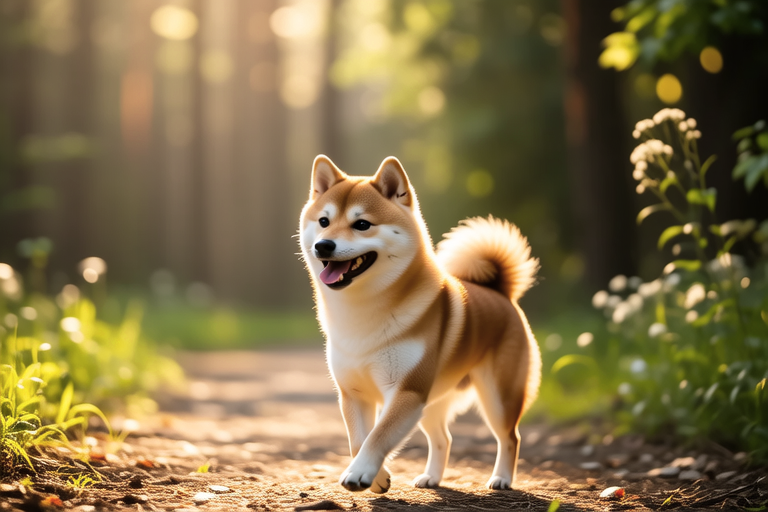
From Wild to Wagging Tails: A Journey with the Mischievous Shiba Inu
The Shiba Inu, a breed that has captivated dog lovers around the world, has a rich history deeply rooted in the rugged landscapes of Japan. Originally bred for hunting in the dense mountainous regions, the Shiba Inu was designed to be a compact yet agile companion, capable of navigating challenging terrains with ease. This article delves into the fascinating journey of the Shiba Inu from its wild origins to its current status as a beloved family pet, highlighting the unique blend of independence, loyalty, and mischief that defines this spirited breed.
Origins and Wild Instincts
The Shiba Inu’s history stretches back over a thousand years, with its name translating to ‘brushwood dog,’ referring to the dense shrubs and forests where it was originally found. These dogs were bred to be small but sturdy, with a keen sense of smell and exceptional agility, making them perfect for flushing out birds and small game. The breed’s wild instincts are still evident today, particularly in their independent nature and strong prey drive. Shiba Inus are known for their aloofness around strangers, a trait that likely stems from their early days as hunting companions.
Despite centuries of domestication, many of the Shiba Inu’s wild traits have been preserved. Their thick double coat, which provides protection against harsh weather conditions, is one example of how their ancestors’ survival skills have been maintained. Another is their sharp intelligence, which allows them to quickly learn new tasks while also being adept at finding creative ways to get what they want. This combination of inherited traits makes the Shiba Inu a breed that is both challenging and rewarding to own.
The Journey of Domestication
Over time, the Shiba Inu has adapted to life alongside humans, becoming a cherished companion in Japanese households. However, this transition has not entirely eradicated their wild instincts. While they are generally friendly and affectionate with their families, Shibas retain a certain level of independence that can sometimes make training and socialization more difficult than with other breeds.
The process of domestication has also seen some changes in the breed’s physical characteristics. Modern Shiba Inus tend to be slightly smaller than their ancient counterparts, with a more refined appearance that suits their role as pets rather than working dogs. Despite these adjustments, the core essence of the Shiba Inu remains unchanged: a resilient, intelligent, and fiercely loyal companion with a touch of wild spirit.
Mischievous Behaviors and Loyalty
Living with a Shiba Inu is a unique experience that combines moments of pure joy with occasional frustration. One of the most endearing aspects of this breed is their loyalty; once they bond with their family, they will go to great lengths to protect and please their loved ones. My own Shiba Inu, Kuma, is a prime example of this. Despite his playful antics and tendency to steal socks, he has always been there for me, whether it was curling up next to me during a movie night or alerting me to any perceived threats.
However, their loyalty is often accompanied by a healthy dose of mischief. Shibas are notorious for their cunning, and they seem to possess an innate ability to find trouble. Whether it’s digging up the garden, stealing food from the kitchen counter, or escaping from the backyard, they are always up to something. This mischievous streak is part of what makes them so entertaining, but it also requires owners to be vigilant and consistent in their training.
Key Characteristics
One of the most striking features of the Shiba Inu is their intelligence. They are quick learners and excel at problem-solving, which can be both a blessing and a curse for their owners. Their adaptability is another standout characteristic; Shibas can thrive in various environments, from bustling city apartments to spacious rural homes. However, this adaptability must be balanced with proper exercise and mental stimulation to prevent boredom-induced behavior problems.
Shibas are also known for their unique vocalizations, which range from soft whines to high-pitched barks. While these sounds can be charming, they can also become a source of concern if not managed properly. Early socialization and obedience training are crucial for teaching Shibas when it’s appropriate to vocalize and when to remain quiet.
Advice for Potential Owners
If you’re considering adding a Shiba Inu to your family, it’s important to understand the unique needs and challenges of this breed. First and foremost, Shibas require consistent training and socialization from a young age. Positive reinforcement techniques work best, as they help build trust and respect between owner and dog. It’s also essential to provide plenty of mental and physical stimulation to keep your Shiba Inu happy and well-behaved.
Another key aspect of caring for a Shiba Inu is maintaining their health. Regular veterinary check-ups, a balanced diet, and regular grooming are all important for keeping your dog healthy and comfortable. Shibas are generally a hardy breed, but they can be prone to certain health issues, such as hip dysplasia and eye problems, so it’s important to be proactive about preventive care.
In conclusion, the Shiba Inu is a breed that offers a delightful mix of independence, loyalty, and mischief. From their wild origins in the mountains of Japan to their current status as cherished family pets, Shibas have remained true to their roots while adapting to life alongside humans. With the right balance of love, patience, and training, owning a Shiba Inu can be a rewarding and fulfilling experience for both you and your furry friend.
