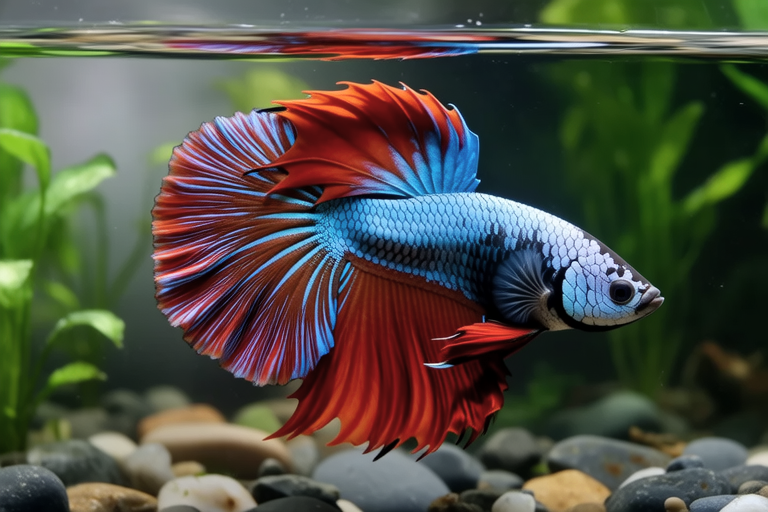
Betta Fish: The Ultimate Guide for First-Time Owners
Welcome to the world of betta fish! These vibrant, colorful creatures are popular choices for first-time aquarium owners due to their striking appearance and relatively low maintenance requirements. However, like any pet, they require specific care to thrive. This guide will cover everything you need to know about betta fish care, from setting up the perfect tank to addressing common health issues.
Understanding Betta Fish
Betta fish, also known as Siamese fighting fish, originate from Thailand and Southeast Asia. They are known for their long, flowing fins and vibrant colors. Male bettas are particularly territorial and can be aggressive towards other males. Females, on the other hand, are generally more peaceful and can sometimes be kept together in groups called sororities.
Suitable Tank Setups
While bettas are often sold in small containers, they require a proper tank setup to ensure their well-being. A minimum tank size of 2.5 gallons (10 liters) is recommended for a single betta. Larger tanks provide more swimming space and help maintain better water quality. Choose a tank with a lid to prevent your betta from jumping out.
For filtration, opt for a gentle filter that doesn’t create strong currents. Bettas are labyrinth fish, meaning they have a special organ that allows them to breathe air directly from the surface. Therefore, ensure the tank has a small opening or a corner where your betta can easily reach the water’s surface.
Decorate the tank with live or artificial plants, caves, and driftwood to mimic their natural habitat and provide hiding spots. Avoid sharp decorations that could damage your betta’s delicate fins.
Water Parameters
Maintaining optimal water conditions is crucial for the health of your betta fish. Ideal water temperature ranges between 76°F and 82°F (24°C to 28°C). Use an aquarium heater to keep the temperature stable, especially if you’re keeping the tank in a cooler room.
The pH level should be slightly acidic, around 6.5 to 7.5. Regularly test the water using a reliable water testing kit to monitor ammonia, nitrite, and nitrate levels. Ammonia and nitrite should always read zero, while nitrates should remain below 20 ppm.
Perform partial water changes every week, replacing approximately 25% of the tank water. This helps remove waste products and maintains water quality.
Feeding Guidelines
Bettas are carnivorous and thrive on high-protein diets. Feed your betta a varied diet consisting of high-quality flake food, pellets, and occasional treats like bloodworms or brine shrimp. Avoid overfeeding; offer only what your betta can consume within two minutes. Overfeeding can lead to poor water quality and health issues.
Feed your betta twice daily, ensuring they receive a balanced diet. It’s important to note that bettas may become finicky eaters, so introduce new foods gradually to encourage acceptance.
Common Health Issues
Like any aquatic creature, bettas are susceptible to certain health problems. One of the most common issues is fin rot, characterized by frayed or disintegrating fins. This condition is usually caused by poor water quality or bacterial infections. To prevent fin rot, maintain clean water and avoid overcrowding.
Fungal infections, often seen as white patches on the body or fins, can occur if the tank environment is unsanitary. Treat fungal infections with antifungal medications available at pet stores.
Breathing difficulties, such as rapid gill movements or gasping at the surface, may indicate poor water quality or insufficient oxygenation. Ensure the tank is properly filtered and aerated to prevent these issues.
If you notice any signs of illness, isolate the affected betta in a hospital tank and consult a veterinarian specializing in fish care for appropriate treatment.
Interactive Behaviors
Bettas are fascinating pets because of their interactive nature. Many bettas respond positively to their owners, especially when fed. Some bettas even learn to recognize their caretakers and may swim towards the glass when they approach. You can enhance this interaction by placing your hand near the tank before feeding, creating a conditioned response.
While bettas can recognize and interact with humans, it’s important to handle them gently and avoid excessive handling. Use a net or a cup filled with tank water to transfer your betta if necessary.
Beginner-Friendly Tips for Maintaining a Healthy Environment
- Regular Water Testing: Test your water regularly to ensure it remains within the ideal parameters. This helps catch potential issues early and prevents health problems.
- Proper Filtration: Invest in a good quality filter that suits the size of your tank. Proper filtration helps maintain water clarity and reduces the frequency of water changes.
- Healthy Diet: Provide a balanced diet rich in protein. Supplement their regular feed with occasional treats to keep them interested in their meals.
- Safe Handling: When moving your betta, always use a container filled with tank water to prevent stress and potential injuries.
- Observation: Spend time observing your betta daily. Familiarize yourself with their normal behavior and appearance. Any significant changes may indicate underlying health issues.
Fostering Positive Interactions
To foster positive interactions with your betta, establish a routine. Feed them at the same time each day and spend a few minutes interacting with them. Gently talk to your betta and watch their reactions. Some bettas may even come to the front of the tank when they hear your voice.
Encourage gentle play by placing a mirror outside the tank. Some bettas react to their reflection by flaring their fins, which can be entertaining to watch. However, prolonged exposure to mirrors can cause stress, so limit this activity to short periods.
Conclusion
Owning a betta fish can be a rewarding experience, offering both beauty and companionship. By understanding their unique needs and providing a suitable environment, you can ensure your betta thrives. Remember, the key to successful betta fish ownership lies in attentive care and a commitment to maintaining their health and happiness.
