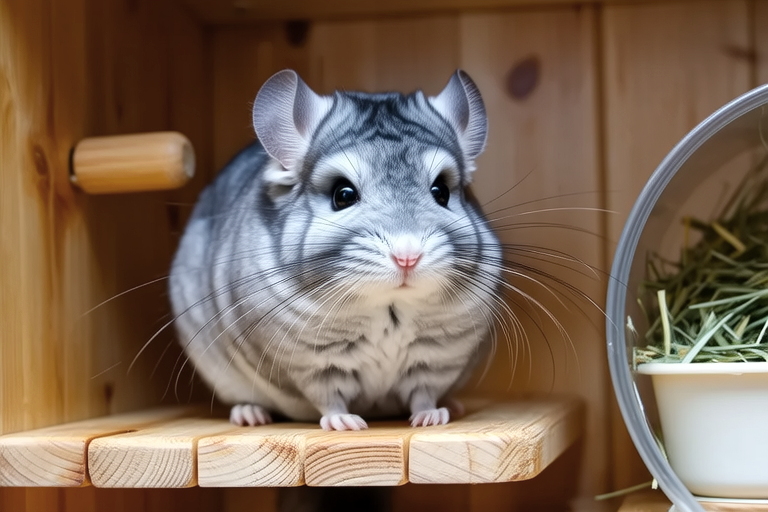
10 Surprising Facts About Chinchillas Every Pet Owner Should Know
Chinchillas are small, adorable creatures that have become increasingly popular as pets over the years. Known for their soft fur and playful demeanor, these rodents offer a unique and rewarding companionship. However, there’s more to chinchillas than meets the eye. Below are ten surprising facts every chinchilla owner should know to ensure they provide the best care possible for their furry friends.
Fact 1: Chinchillas Need Dust Baths Instead of Water Baths
One of the most distinctive features of chinchillas is their incredibly dense and soft fur. To maintain this luxurious coat, chinchillas require regular dust baths rather than water baths. This is because their fur is so thick that water can get trapped between the hairs, leading to skin issues such as fungal infections. Providing your chinchilla with a dust bath once or twice a week helps remove excess oils and dander from its fur. The dust used is typically made of volcanic ash, which is safe and effective for cleaning purposes.
Fact 2: Chinchillas Have Exceptional Jumping Abilities
Chinchillas are natural acrobats, capable of jumping up to six feet in a single leap. Their strong hind legs and light bodies make them excellent jumpers. This agility is one of the reasons why chinchillas thrive in environments that mimic their natural habitats, with plenty of space for climbing and leaping. When setting up a cage for your chinchilla, it’s important to include multiple levels and platforms to encourage exercise and mental stimulation.
Fact 3: Chinchillas Are Nocturnal Animals
Chinchillas are primarily active during the night, making them nocturnal creatures. They sleep during the day and are most active when the lights go out. Understanding this behavior pattern is crucial for chinchilla owners. It’s advisable to avoid disturbing your chinchilla during the day, allowing it to rest. Nighttime is the perfect time for play and interaction, ensuring you both enjoy quality bonding moments without disrupting the chinchilla’s natural rhythm.
Fact 4: Chinchillas Are Social Creatures
Contrary to popular belief, chinchillas are social animals that thrive in the company of others. In the wild, they live in large colonies, and this social structure is beneficial for their well-being. While it may not always be practical to have multiple chinchillas due to space constraints or budget considerations, it’s important to understand the social needs of your pet. If you have just one chinchilla, consider providing it with toys that stimulate its mind and engage its body to compensate for the lack of companionship.
Fact 5: Chinchillas Have High Metabolic Rates
Chinchillas have a very high metabolic rate, which means they need to consume a significant amount of food daily to maintain their energy levels. A balanced diet consisting of hay, pellets, and occasional treats like fresh vegetables is essential. Overfeeding can lead to obesity, while underfeeding can result in malnutrition. Monitoring your chinchilla’s weight and adjusting its diet accordingly is key to keeping it healthy and active.
Fact 6: Chinchillas Have Sensitive Digestive Systems
Chinchillas have sensitive digestive systems that require careful attention to diet. Introducing new foods gradually and avoiding sudden changes in diet can prevent digestive upset. It’s also important to ensure that any treats given are appropriate and do not exceed 10% of the chinchilla’s daily intake. Fresh, clean water should always be available to aid digestion and overall health.
Fact 7: Chinchillas Are Prone to Heat Stress
Chinchillas are native to the Andes Mountains, where the climate is cool and dry. They are highly susceptible to heat stress, especially in warmer climates. Keeping the temperature in their living environment below 75°F (24°C) is crucial for their health. Provide adequate ventilation and ensure that the cage is placed away from direct sunlight and heat sources. Cooling fans can be used if necessary to maintain a comfortable temperature for your chinchilla.
Fact 8: Chinchillas Have Complex Teeth
Chinchillas have continuously growing teeth, much like other rodents. This requires them to gnaw on hard objects to wear down their teeth and prevent overgrowth. Providing chew toys made from untreated wood or cardboard is essential for maintaining dental health. Regular check-ups with a veterinarian who specializes in exotic pets can help monitor the condition of your chinchilla’s teeth.
Fact 9: Chinchillas Are Very Clean Animals
Chinchillas are meticulously clean animals that spend a considerable amount of time grooming themselves. Their cleanliness is part of what makes them appealing as pets. However, this grooming behavior can sometimes lead to ingestion of hair, which can cause blockages in the digestive system. Offering a small amount of Timothy hay can help prevent hairballs by encouraging the chinchilla to chew and swallow the hay instead of its own fur.
Fact 10: Chinchillas Can Live Up to 20 Years
With proper care, chinchillas can live up to 20 years, making them long-term companions. This longevity underscores the importance of providing consistent and high-quality care throughout their lives. Investing in a good diet, a spacious and stimulating environment, and regular veterinary check-ups will contribute to a longer and healthier life for your chinchilla.
A Call to Action
Whether you’re a new chinchilla owner or have been caring for these delightful creatures for years, sharing your experiences and insights can benefit others. We invite you to comment below with any questions, tips, or stories about your chinchilla. Together, we can create a community of informed and supportive chinchilla owners who can help each other provide the best possible care for these amazing pets.
