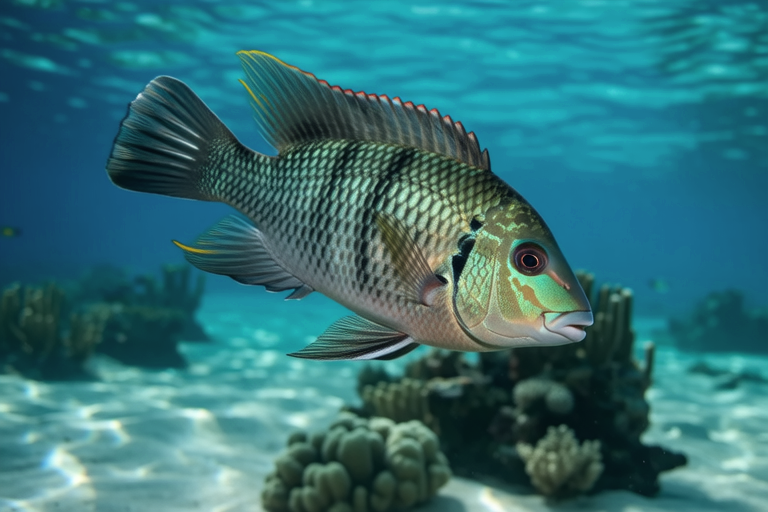
Parrot Fish in Your Tank: The Ultimate Guide for Aquarists
Welcome to the vibrant world of parrot fish! These colorful, fascinating creatures can be a delightful addition to any aquarium. Known for their striking appearance and engaging behavior, parrot fish are a favorite among aquarists. This comprehensive guide will help you understand what makes these fish so special and how to care for them properly.
The Fascinating World of Parrot Fish
Parrot fish, named for their beak-like mouths, belong to the family Scaridae. They are native to tropical and subtropical waters around the world, particularly in coral reefs and rocky areas. In the wild, they play a crucial role in maintaining the health of coral reefs by grazing on algae. Their vibrant colors, which range from bright oranges and yellows to deep purples and blues, make them stand out in any tank. Additionally, parrot fish have a unique ability to change color and pattern depending on their mood or environment.
Why Choose Parrot Fish?
Adding parrot fish to your aquarium can bring a splash of color and life. Their active nature and social behavior make them a joy to watch. However, it’s important to note that parrot fish can be somewhat aggressive towards other fish, especially those with similar body shapes. Therefore, careful consideration of tankmates is necessary to ensure harmony in your aquatic community.
Setting Up the Ideal Aquarium for Parrot Fish
Tank Size
To provide a comfortable habitat for your parrot fish, a tank of at least 100 gallons is recommended. This ample space allows for swimming and provides enough room for hiding spots and decorations. Larger tanks also help in maintaining stable water conditions, which are essential for the well-being of your fish.
Water Parameters
Parrot fish thrive in warm, slightly alkaline water. Aim for a temperature range between 76°F and 82°F (24°C to 28°C). The pH level should be maintained between 8.1 and 8.4, and the hardness should be around 8 to 12 dKH. Regular testing and adjustments using appropriate chemicals can help keep these levels within the desired range.
Filtration Needs
Effective filtration is crucial for maintaining water quality in your aquarium. A high-quality filter capable of handling the volume of water in your tank is essential. Additionally, regular water changes (about 20% weekly) and thorough cleaning of the substrate will help keep the water clean and free from harmful substances.
Diet and Feeding Habits
Parrot fish are omnivorous and require a balanced diet rich in nutrients. In the wild, they primarily feed on algae, but in captivity, they can be fed a variety of foods. High-quality flake food, pellets, and frozen or live foods such as brine shrimp, bloodworms, and mysis shrimp are all suitable options. It’s important to vary their diet to ensure they receive all necessary nutrients. Feed your parrot fish two to three times daily, offering only as much food as they can consume within a few minutes.
Compatibility with Other Fish Species
When selecting tankmates for your parrot fish, consider their territorial nature. Avoid housing them with smaller, more docile species, as they may become stressed or even injured. Instead, choose robust, semi-aggressive fish like tangs, triggerfish, and puffers. It’s also beneficial to include some fast-swimming species that can easily evade aggression if necessary. Always monitor the interactions closely and be prepared to separate fish if conflicts arise.
Maintaining Water Quality and Health
Regular maintenance is key to keeping your parrot fish healthy and happy. Perform routine water tests to monitor the levels of ammonia, nitrite, and nitrate. Keep the levels as close to zero as possible, and address any issues promptly. Maintaining good water quality helps prevent diseases and ensures your fish remain vibrant and active.
Potential Health Issues
Like all aquatic pets, parrot fish can face health challenges. Common issues include bacterial infections, fungal growth, and parasitic infestations. Early detection and treatment are crucial. Symptoms to watch for include lethargy, loss of appetite, unusual spots or patches on the skin, and labored breathing. Consult with a veterinarian specializing in aquatic animals for proper diagnosis and treatment.
Creating an Enriching Environment
To promote the well-being of your parrot fish, create an enriching environment that mimics their natural habitat. Incorporate plenty of live rock and corals for shelter and grazing opportunities. Providing a variety of hiding spots and open swimming areas will encourage exploration and reduce stress. Additionally, ensure there is adequate lighting to support the growth of algae and enhance the overall aesthetics of your tank.
Behavioral Enrichment
Incorporate toys and enrichment activities to stimulate your parrot fish mentally and physically. Consider using floating objects or sinking treats to encourage natural foraging behaviors. Rotating tank decorations periodically can also help maintain interest and curiosity. Observing your fish’s behavior regularly will give you insights into their preferences and needs.
Conclusion
Bringing parrot fish into your aquarium can be a rewarding experience, provided you’re willing to invest time and effort into understanding and meeting their needs. By setting up an appropriate tank, providing a balanced diet, and carefully selecting tankmates, you can ensure a thriving aquatic environment. Remember, the health and happiness of your parrot fish depend on attentive care and a commitment to maintaining optimal conditions. With this guide, you’re well-equipped to enjoy the beauty and wonder of these captivating creatures.
