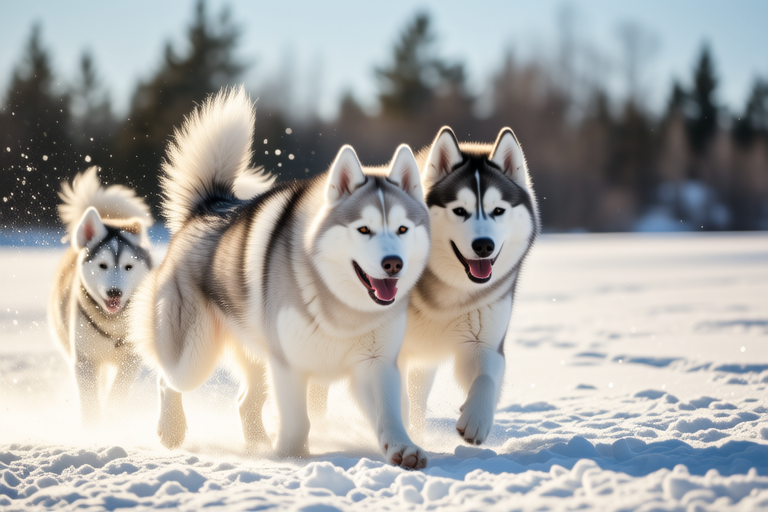
Blizzard Buddies: Inside the World of Siberian Huskies
Siberian Huskies have long captured the hearts of dog lovers around the world with their striking appearance and indomitable spirit. Known for their thick, plush coats and piercing blue eyes, these dogs are more than just pretty faces. They are a breed rich in history, purpose, and character. This article delves into the world of Siberian huskies, exploring their origins, characteristics, and the care required to keep them healthy and happy.
Origins and Role as Sled Dogs
The Siberian husky’s story begins in the icy expanses of northeastern Asia, where they were bred by the Chukchi people of Siberia. These nomadic tribes relied heavily on their dogs for survival. The huskies were not only companions but also essential tools for transportation across vast, snow-covered landscapes. Their endurance and strength made them invaluable as sled dogs, pulling heavy loads over long distances at a steady pace. This heritage has shaped their robust constitution and tireless work ethic.
In the early 20th century, Siberian huskies were introduced to Alaska during the Nome Gold Rush. Their ability to withstand harsh conditions and their speed made them perfect for racing and delivering supplies. The famous serum run to Nome in 1925 further cemented their reputation as exceptional sled dogs. Balto, a Siberian husky, became an iconic symbol of courage and determination.
Unique Physical Traits
Siberian huskies are medium-sized dogs with a muscular build and a dense, double coat that protects them from the cold. Their coat can be any color, ranging from black to white, often featuring striking facial markings. One of their most distinctive features is their expressive, almond-shaped eyes, which can be blue, brown, or even one of each color, a trait known as heterochromia. This unique combination of physical attributes contributes to their striking appearance and makes them instantly recognizable.
Despite their fluffy exterior, Siberian huskies are surprisingly agile and athletic. Their strong, flexible bodies enable them to move efficiently over snow and ice. Their deep chest provides ample room for lungs, allowing them to take in large amounts of oxygen, which is crucial for their high-energy activities.
Temperament and Training Tips
Siberian huskies are known for their friendly and outgoing nature. They are typically good-natured and sociable, getting along well with children and other animals. However, their independent streak can sometimes pose challenges when it comes to training. These dogs have a strong desire to explore and may become easily distracted by their surroundings. Consistent and positive reinforcement training methods are highly effective with Siberian huskies. Patience and persistence are key, as these dogs require clear communication and plenty of mental stimulation to stay focused.
Early socialization is crucial for Siberian huskies to ensure they grow up to be well-adjusted and confident. Exposing them to various environments, people, and situations from a young age helps them develop good behavior and prevents potential behavioral issues later in life. Regular exercise and mental challenges are also important to keep their minds sharp and prevent boredom, which can lead to destructive behaviors.
Common Health Issues and Dietary Needs
Like all breeds, Siberian huskies are prone to certain health issues. Some of the most common conditions include hip dysplasia, cataracts, and progressive retinal atrophy. Regular veterinary check-ups and genetic testing can help identify and manage these conditions. Maintaining a healthy weight is also important, as obesity can exacerbate joint problems and reduce overall quality of life.
Dietary needs for Siberian huskies should be tailored to their active lifestyle. High-quality protein sources such as chicken, fish, and beef are essential for muscle development and maintenance. Fatty acids from fish oil can help support skin and coat health. Ensuring a balanced diet that meets their nutritional requirements will contribute to their longevity and well-being. Owners should consult with their veterinarian to determine the best diet for their individual dog.
Interaction with Families
Siberian huskies are excellent family pets, provided they are given proper care and attention. Their affectionate nature makes them loyal companions, and they thrive in households where they are treated as part of the family. They enjoy spending time with their human counterparts and are generally gentle with children. However, due to their strong prey drive, they may not always get along with smaller pets like cats or rabbits.
These dogs are pack animals by nature and tend to form strong bonds with their families. They are known for their protective instincts and can be alert watchdogs, although they are not typically aggressive. Their vocal nature means they may bark or howl occasionally, so owners should be prepared for this aspect of their personality.
Endurance and Adaptability
The endurance of Siberian huskies is legendary. They have been bred to withstand some of the harshest climates on Earth, and their resilience is evident in their ability to maintain high energy levels throughout the day. Their adaptability extends beyond physical endurance; they can also adjust to different living environments, from rural areas to urban settings. However, it is important to provide them with adequate space and opportunities for physical activity to ensure they remain healthy and content.
Owners should be prepared for the commitment involved in caring for a Siberian husky. Their need for regular exercise and mental stimulation means they are not ideal for sedentary lifestyles. Providing them with a stimulating environment and sufficient outdoor time will help them thrive.
Responsibilities of Owning a Siberian Husky
Owning a Siberian husky is a rewarding experience, but it comes with significant responsibilities. Potential owners must be aware of the time and effort required to meet the needs of these dogs. Regular grooming is necessary to maintain their coat, especially during shedding seasons. Daily exercise is essential to keep them physically fit and mentally engaged. Training and socialization should begin early and continue throughout their lives.
Additionally, owners should consider the cost of veterinary care, including routine check-ups, vaccinations, and potential treatments for breed-specific health issues. Proper research and preparation can help ensure a successful and fulfilling relationship between owner and dog.
In conclusion, Siberian huskies are more than just beautiful dogs; they are a testament to the bond between humans and animals. Their rich history, unique characteristics, and loving nature make them cherished members of many families. By understanding their needs and providing the care they deserve, owners can enjoy a lifetime of companionship with these remarkable creatures. Whether you’re a seasoned dog lover or considering adding a Siberian husky to your family, the journey promises to be both challenging and deeply rewarding.
