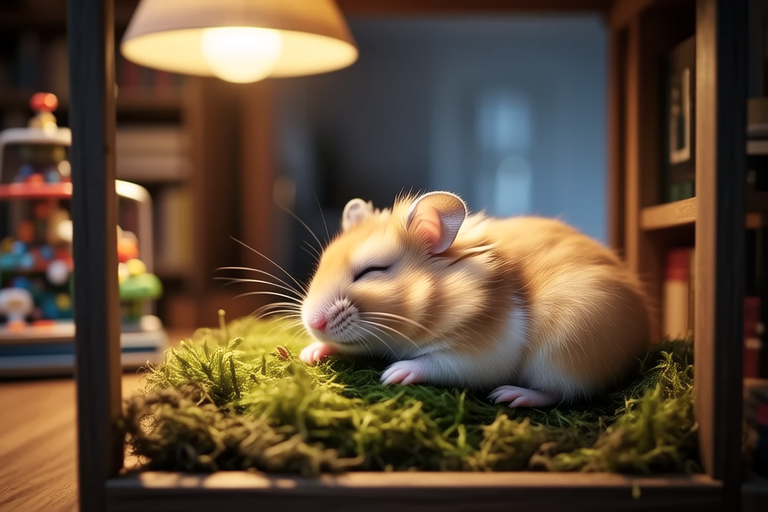
Golden Hamsters’ Sleep Patterns: A Comprehensive Guide
Welcome to our guide on understanding the fascinating world of golden hamsters’ sleep patterns. As popular pets, golden hamsters offer companionship and entertainment, but it’s essential to understand their unique needs, especially regarding sleep. This article will explore the nocturnal nature of these tiny creatures, delve into their sleeping habits, and provide practical advice for ensuring your hamster gets the rest it needs.
The Nocturnal Nature of Golden Hamsters
Golden hamsters are primarily nocturnal animals, meaning they are most active during the night and prefer to sleep during the day. In the wild, this behavior helps them avoid predators while also taking advantage of cooler temperatures that come with nighttime. Domesticated golden hamsters maintain this natural rhythm, making it crucial for owners to respect their pets’ sleep schedule.
Sleeping Habits: Duration and Cycles
On average, golden hamsters sleep for around 12 hours each day, though this can vary depending on individual differences and environmental conditions. Their sleep is characterized by short bursts of deep sleep interspersed with periods of lighter sleep. During these cycles, hamsters may wake briefly before returning to deeper slumber. Owners might notice their hamster becoming more active or moving around its cage at various points throughout the night.
Influence of Environmental Factors on Sleep
The environment plays a significant role in determining how well a golden hamster sleeps. Light exposure is particularly influential; bright lights can disrupt their circadian rhythms, leading to difficulty falling asleep or staying asleep. Similarly, extreme temperatures—either too hot or too cold—can cause discomfort and disturb their rest. It’s important for owners to create a suitable living space that mimics the natural habitat of golden hamsters, which typically includes moderate temperatures and limited exposure to artificial lighting.
Tips for Ensuring Adequate Rest
To help your golden hamster get enough sleep, follow these guidelines:
- Maintain a Consistent Routine: Establishing a predictable daily schedule helps regulate your hamster’s internal clock. Feed your pet at the same time every day, allowing them to anticipate meal times without disruption. This consistency supports their natural sleep-wake cycle.
- Create a Comfortable Sleeping Environment: Provide ample bedding material such as shredded paper or wood shavings. This allows your hamster to build nests where they feel secure. Additionally, consider placing their cage in a quiet area away from direct sunlight or loud noises.
- Limit Distractions: Avoid handling your hamster during daylight hours unless necessary. While they might appear awake, remember that their body requires rest even if they seem alert. Respect their need for downtime by minimizing interactions during their primary sleeping period.
Recognizing Signs of Disrupted Sleep Patterns
If you notice any changes in your golden hamster’s behavior, it could indicate issues with their sleep pattern. Common signs include increased irritability, lethargy, or excessive grooming. These behaviors might suggest stress or discomfort affecting their ability to relax properly. Other indicators might be reduced appetite or unusual vocalizations. Pay attention to these signals and address potential causes promptly.
When to Consult a Vet
If you observe persistent disruptions in your hamster’s sleep or other concerning symptoms lasting more than a few days, it’s wise to consult a veterinarian specializing in small animals. They can diagnose underlying health issues contributing to poor sleep quality and recommend appropriate treatments. Regular check-ups also allow for early detection of problems before they escalate.
Conclusion
Understanding the sleep patterns of golden hamsters is vital for providing optimal care. By respecting their nocturnal nature, creating a conducive environment, and monitoring their overall well-being, owners can ensure their furry friends enjoy healthy, restful nights. Remember, a well-rested hamster is happier and healthier, making life together more enjoyable for both you and your pet.
