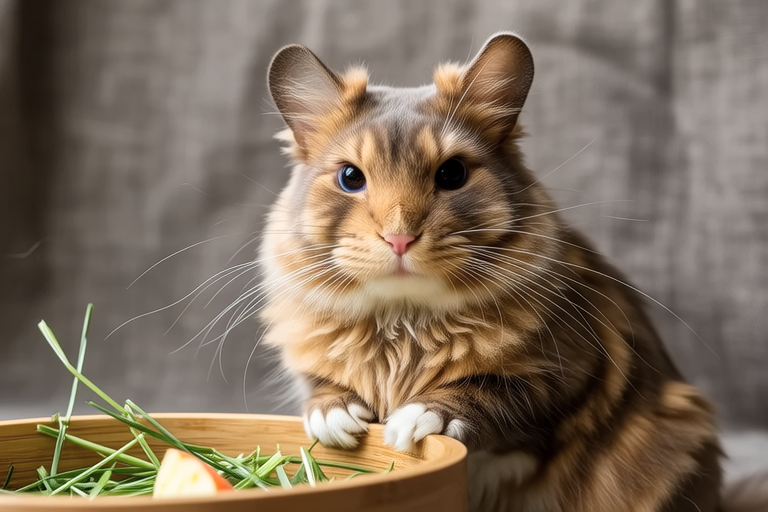
Chinchilla Care 101: Tips for a Happy and Healthy Pet
Welcome to Chinchilla Care 101! Whether you’re a first-time chinchilla owner or an experienced one, understanding the essentials of chinchilla care can make all the difference in ensuring your pet’s happiness and health. This comprehensive guide will cover various aspects of chinchilla care, from diet and housing to grooming and exercise. Let’s dive into the world of these adorable creatures and learn how to provide them with the best possible life.
Diet: The Foundation of a Healthy Chinchilla
Proper nutrition is crucial for maintaining a chinchilla’s health. These small rodents are herbivores, meaning their diet consists primarily of hay, pellets, and fresh water. Timothy hay is particularly important as it aids digestion and keeps their teeth healthy by providing the necessary fiber. Pellets formulated specifically for chinchillas should be available at all times, but they should not form the bulk of their diet. Fresh water should always be accessible in a sipper bottle designed for small animals.
In addition to hay and pellets, chinchillas can enjoy a variety of safe fruits and vegetables as occasional treats. However, it’s important to introduce new foods gradually and in moderation to avoid digestive upset. Always research which human foods are safe for chinchillas before offering them. Some fruits and veggies that are safe include apples, carrots, and broccoli, but never feed them anything with high sugar content or citrus fruits.
Housing Requirements: Creating a Comfortable Home
Adequate housing is vital for a chinchilla’s well-being. Chinchillas need a spacious cage with multiple levels to allow for climbing and exploration. The cage should be at least 30 inches wide, 30 inches deep, and 36 inches tall for a single chinchilla, and larger for more than one. Wire cages with bar spacing no wider than 1 inch are ideal, as they provide good ventilation and prevent injury.
Line the bottom of the cage with dust-free bedding such as aspen shavings or paper-based products. Avoid cedar and pine shavings, as they can be harmful due to aromatic oils. Provide a variety of toys and perches to keep your chinchilla entertained and mentally stimulated. A nesting box filled with fleece or fabric should also be included to give your chinchilla a cozy place to sleep.
Temperature control is essential for chinchillas, as they are sensitive to heat. Their optimal living temperature ranges between 60 and 70 degrees Fahrenheit (15 to 21 degrees Celsius). It’s important to ensure that the cage is placed away from direct sunlight and drafts. Additionally, chinchillas require a dust bath daily for grooming. Provide a shallow container filled with chinchilla dust, which they will roll around in to clean themselves.
Grooming Needs: Keeping Your Chinchilla Clean and Healthy
Chinchillas have very dense fur, which makes regular grooming essential. As mentioned earlier, dust baths are the primary method of grooming for chinchillas. They should be given about 20-30 minutes in a dust bath each day, but no more than that, as excessive bathing can lead to skin problems. Remove the dust bath after each session to prevent it from becoming damp and moldy.
Besides dust baths, chinchillas may occasionally need assistance with grooming. Use a soft brush to gently remove any loose fur or debris. Pay special attention to areas where the fur is prone to matting, such as behind the ears and around the tail. Regular brushing also helps distribute natural oils throughout the coat, keeping it shiny and healthy.
Trimming nails is another important aspect of grooming. Chinchillas’ nails grow continuously, and if left untrimmed, they can become overgrown and uncomfortable for the animal. Use a pair of small animal nail clippers and trim the nails just below the quick, which is the pink part visible inside the nail. Be cautious not to cut too close to the quick, as this can cause bleeding and pain. If unsure, consult a veterinarian for guidance.
Exercise Recommendations: Encouraging a Healthy Lifestyle
Chinchillas are active animals that need plenty of opportunities to exercise. In addition to the multi-level cage setup, providing supervised playtime outside the cage is beneficial. A safe, enclosed area with obstacles and tunnels can stimulate their natural curiosity and encourage physical activity. Rotate toys regularly to keep things interesting and prevent boredom.
Exercise wheels are a popular option for chinchillas, but they must be chosen carefully. Look for wheels with a solid surface rather than wire, as wire wheels can harm their delicate feet. Ensure the wheel is large enough for your chinchilla to run comfortably without hunching their back. Introduce the wheel gradually and monitor your chinchilla’s use to ensure they are comfortable and not exhibiting signs of distress.
Mental stimulation is equally important as physical activity. Provide a variety of toys that challenge their minds, such as puzzle feeders, chew toys, and treat-dispensing devices. Rotate these toys periodically to maintain interest and engagement. Chinchillas are intelligent creatures that thrive when given mental challenges.
Common Health Issues: Recognizing and Preventing Problems
Despite proper care, chinchillas can still encounter health issues. Being aware of common problems and knowing how to address them can help you keep your pet healthy. Dental problems are one of the most frequent issues, often caused by poor diet or genetics. Signs of dental disease include drooling, difficulty eating, and weight loss. Regular veterinary check-ups can help catch and treat these issues early.
Gastrointestinal stasis, or gut slowdown, is another serious condition that can occur if the chinchilla’s diet lacks sufficient fiber. Symptoms include reduced fecal production and bloating. Immediate veterinary attention is necessary if you suspect gastrointestinal stasis. To prevent this, ensure your chinchilla has constant access to hay and fresh water, and monitor their eating habits closely.
Respiratory infections can develop if the cage is kept in a drafty or overly humid environment. Watch for symptoms like sneezing, wheezing, and discharge from the nose or eyes. Keep the cage in a stable, warm location and clean it regularly to minimize the risk of infection. If you notice any respiratory symptoms, seek veterinary care promptly.
Fur chewing is a behavioral issue that can result from stress or boredom. Providing ample space, toys, and mental stimulation can help reduce this behavior. If fur chewing persists, consult a veterinarian to rule out underlying medical conditions.
Conclusion: Embracing the Joys of Chinchilla Ownership
Owning a chinchilla is a rewarding experience, but it requires dedication and knowledge. By following the guidelines outlined in this article, you can provide your chinchilla with a happy, healthy life. Remember to focus on their dietary needs, create a suitable living environment, maintain proper grooming practices, offer adequate exercise, and stay vigilant for potential health issues. With love and care, you’ll have a delightful companion for many years to come.
