Unraveling the Mysteries of Leopard Gecko Behavior
Welcome to a fascinating journey into the world of Eublepharis macularius, commonly known as the leopard gecko. These charming reptiles are among the most popular pets for both beginners and seasoned herpetologists due to their docile nature, ease of care, and striking appearance. With their distinctive spots resembling those of a leopard, these geckos have captured the hearts of many animal lovers. In this article, we will explore the unique characteristics of leopard geckos, delve into their natural habitat and how it shapes their behavior, discuss their feeding habits, and shed light on their nocturnal lifestyle. We’ll also examine their social behaviors, address common misconceptions about their temperament, and provide insights into their body language and vocalizations. Finally, we’ll offer some tips for owners to better understand and respond to their gecko’s behavior.
Unique Characteristics of Leopard Geckos
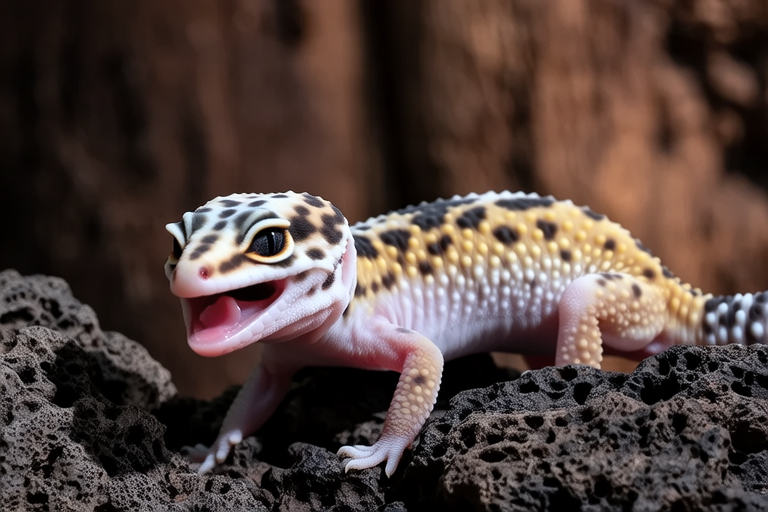
Leopard geckos are native to the arid regions of Afghanistan, Pakistan, and parts of India. They are easily recognizable by their smooth, soft skin and their vibrant patterns that range from solid yellow to complex, dark-spotted designs. Unlike many other gecko species, leopard geckos possess moveable eyelids, which allow them to blink and close their eyes completely. This feature sets them apart from other geckos that typically have fixed eyelids. Additionally, leopard geckos have toes without adhesive pads, making them more reliant on their claws for movement rather than sticking to surfaces like other gecko species.
Natural Habitat and Its Influence on Behavior
The natural habitat of leopard geckos is characterized by rocky, semi-arid deserts where temperatures can fluctuate dramatically between day and night. These conditions have shaped the geckos’ behavior, particularly their preference for cooler, drier environments. In the wild, they spend much of their time burrowing underground during the day to avoid the harsh sun and emerging at night when temperatures are more tolerable. Their burrowing instinct is evident even in captivity, where they seek out hiding spots and prefer a cool, dry substrate.
Feeding Habits
Leopard geckos are insectivores, meaning their diet consists primarily of insects. In the wild, they consume a variety of small prey such as crickets, mealworms, and waxworms. In captivity, owners must ensure a balanced diet rich in calcium and vitamin D3 to prevent metabolic bone disease. It’s important to gut-load feeder insects with nutritious food before offering them to the gecko. Feed your leopard gecko every two to three days, providing as many insects as they can consume within a 10-15 minute period. Overfeeding can lead to obesity, while underfeeding can result in malnutrition.
Nocturnal Nature and Daily Routines
Being nocturnal animals, leopard geckos are most active during the night, seeking food and exploring their environment under the cover of darkness. This behavior is a survival mechanism that helps them avoid predators and conserve energy during the hottest parts of the day. Owners should be mindful of this routine and provide ample hiding spots and a secure enclosure to simulate their natural environment. During the day, they may remain relatively inactive, basking in a warm spot or resting in a cool, dark area. Understanding their nocturnal nature can help owners anticipate their activity levels and adjust care routines accordingly.
Social Behaviors
Leopard geckos are solitary creatures in the wild, but they can coexist peacefully in captivity if proper precautions are taken. Males are territorial and should not be housed together, as they may fight over space and resources. Females, however, can sometimes be housed together provided there is sufficient space and resources. Interactions between geckos are usually limited to brief encounters during breeding or when sharing resources like food or water. It’s crucial to observe any signs of aggression or stress, such as biting, tail-dropping, or excessive hiding, which may indicate that the geckos are not getting along.
Common Misconceptions About Their Temperament
One common misconception about leopard geckos is that they are aggressive or dangerous. In reality, they are quite docile and rarely bite unless provoked. Another myth is that handling a gecko frequently will stress it out. While it’s true that too much handling can cause stress, gentle and consistent handling can actually help the gecko become accustomed to human interaction. It’s important to handle your gecko with care, supporting its body and avoiding sudden movements that might startle it.
Body Language and Vocalizations
Understanding leopard gecko body language is key to interpreting their moods and needs. When a gecko feels threatened, it may flatten its body against the ground, puff up its throat, or vibrate its tail. Tail-dropping is another defensive mechanism, where the gecko releases its tail to escape a predator. The dropped tail will eventually regrow, but it may take several months. Leopard geckos are generally silent creatures, but they can make soft chirping sounds, especially during breeding season. These vocalizations are often directed towards potential mates or rivals.
Tips for Owners
For owners looking to better understand and respond to their gecko’s behavior, here are some tips:
- Observe closely: Spend time watching your gecko’s daily activities to learn its preferences and routines.
- Create a suitable environment: Provide a spacious, well-ventilated enclosure with appropriate temperature gradients and hiding spots.
- Handle with care: Always support your gecko’s body and avoid sudden movements to minimize stress.
- Monitor health: Regularly check for signs of illness, such as lethargy, loss of appetite, or unusual discharge.
- Seek advice: Consult with a veterinarian specializing in reptiles for any concerns about your gecko’s health or behavior.
By following these guidelines and staying informed about leopard gecko behavior, owners can provide a safe, comfortable environment for their pet and enjoy a rewarding companionship.
Conclusion
Leopard geckos are captivating creatures with unique behaviors shaped by their natural habitats and evolutionary history. From their distinctive physical traits to their nocturnal habits and social interactions, there is much to discover and appreciate about these fascinating reptiles. By understanding their behavior, owners can create an enriching environment that meets their gecko’s needs and enhances their quality of life. Whether you’re a first-time owner or an experienced herpetologist, delving into the mysteries of leopard gecko behavior promises to be an enlightening and rewarding experience.
