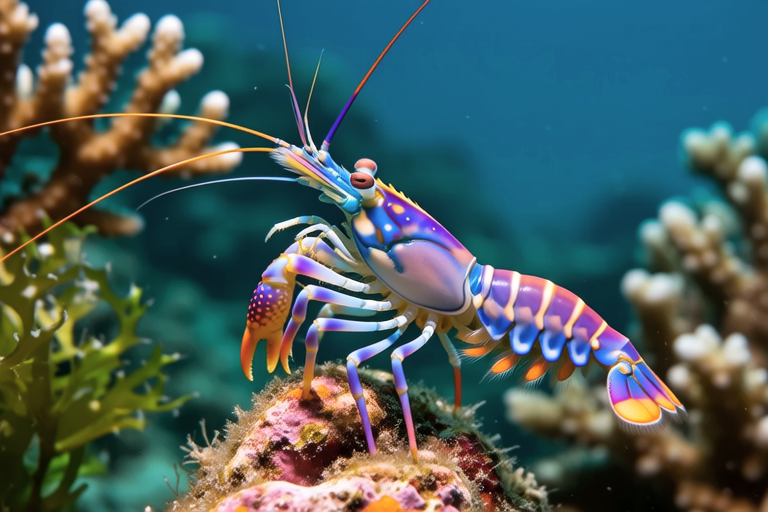
Unveiling the Hidden World of Coral Shrimp: A Complete Care Guide
Introduction to Coral Shrimp Species
Coral shrimp, also known as cleaner shrimp, are small, colorful crustaceans that have become increasingly popular among aquarium enthusiasts. These shrimp belong to the genus Periclimenes and are characterized by their striking coloration and unique behavior. Among the most commonly kept species are the scarlet cleaner shrimp (Periclimenes magnificus), the peppermint shrimp (Lysmata wurdemanni), and the blood red cleaner shrimp (Haeriocaris haeriocaris). Each species has its own distinct appearance and role within the ecosystem.
Natural Habitats of Coral Shrimp
In their natural habitat, coral shrimp can be found in various marine environments, including coral reefs, rocky crevices, and seagrass beds. They are typically found in tropical and subtropical waters, where they play an important role in maintaining the health of their surroundings by feeding on parasites and detritus. Their presence is often beneficial for fish and other marine creatures, as they help keep them clean and free from harmful organisms.
Ideal Tank Setup Requirements
Setting up an appropriate tank for coral shrimp involves creating a space that mimics their natural environment. A minimum tank size of 20 gallons is recommended for a single shrimp, but larger tanks are preferable for more comfortable living conditions and better water quality. The tank should include plenty of hiding spots such as live rock, caves, and overhangs, which provide shelter and security. Live sand or fine-grained substrate is also essential for creating a natural setting.
Water Parameters
Maintaining stable water conditions is crucial for the health and longevity of coral shrimp. The ideal temperature range for these shrimp is between 74°F and 82°F (23°C to 28°C). The pH level should be kept between 8.1 and 8.4, while the specific gravity should be maintained at around 1.023 to 1.025. Regular testing and monitoring of these parameters using reliable test kits will ensure that your shrimp thrive in their aquatic home.
Diet and Feeding Guidelines
Coral shrimp are omnivorous and will consume a variety of foods, including algae, detritus, and small invertebrates. In the wild, they primarily feed on parasites and dead tissue from fish and other marine animals. To replicate this diet in captivity, offer a balanced mix of high-quality flake food, pellets, and frozen or freeze-dried foods such as brine shrimp, mysis shrimp, and spirulina. Additionally, providing a source of algae growth, like a piece of driftwood or a dried clam shell, can encourage natural feeding behaviors.
Common Diseases and Prevention Methods
Like any aquatic creature, coral shrimp are susceptible to certain health issues. One of the most common problems is bacterial infections, which can manifest as white spots or lesions on the shrimp’s body. Regular water changes and maintaining optimal water quality are key to preventing these issues. Quarantine new shrimp before introducing them to the main tank to avoid introducing pathogens. Additionally, ensuring proper nutrition and avoiding overcrowding can further reduce the risk of disease.
Compatibility with Other Aquarium Inhabitants
Coral shrimp are generally peaceful and can coexist well with a wide range of tank mates. However, it is important to choose compatible species carefully. Fish that are too large or aggressive may pose a threat to the shrimp, while smaller, docile fish are usually safe companions. Some good tank mates for coral shrimp include clownfish, damselfish, and cardinal tetras. Avoid keeping them with predatory species or those that might compete for food.
Breeding Information
While breeding coral shrimp in captivity is challenging, it is possible under the right conditions. Males and females can be distinguished by their coloration and size; males tend to be slightly larger and more vibrant. Breeding occurs when environmental factors such as temperature, water quality, and diet are optimized. Female shrimp carry eggs until they hatch into larvae, which then need to be raised in a separate tank with specialized care.
Tips for Maintaining a Healthy Environment
To ensure the long-term health and happiness of your coral shrimp, follow these additional tips:
- Perform regular water changes to maintain water quality.
- Provide ample hiding places and structures for enrichment.
- Monitor tank conditions closely using test kits.
- Feed a varied diet to promote good health.
- Quarantine new additions to prevent disease introduction.
- Research thoroughly before adding new tank mates.
By following these guidelines, you can create a thriving environment for your coral shrimp and enjoy watching them flourish in your aquarium.
