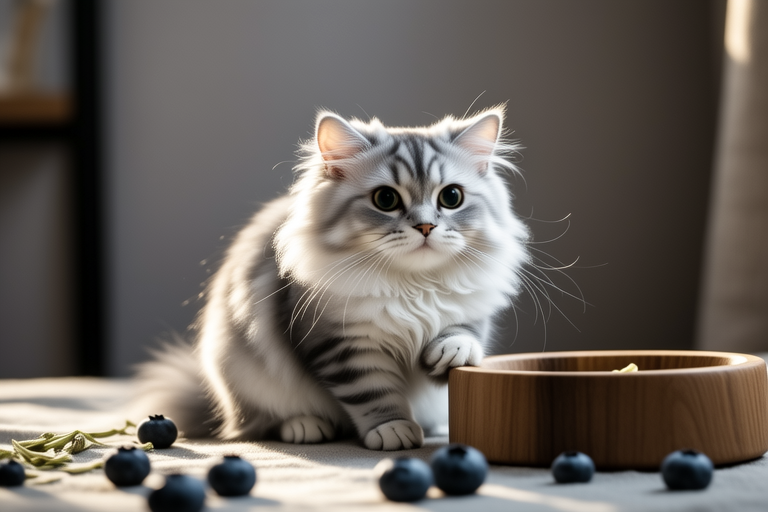
5 Surprising Facts About Chinchillas That Will Make You Love Them Even More
Welcome, animal lovers! If you’ve ever been captivated by the adorable, fluffy creatures known as chinchillas, you’re in for a treat. These tiny, charismatic rodents have a lot more to offer than just their luxurious coats and cute faces. In this article, we’ll uncover five surprising facts about chinchillas that will deepen your appreciation for these fascinating animals. Get ready to fall even deeper in love with chinchillas!
Fact 1: Chinchillas Have the Densest Fur of Any Mammal
Did you know that chinchillas have the densest fur of any mammal? With over 20,000 hairs per square inch, their coat is incredibly soft and luxurious. This dense fur serves multiple purposes beyond just looking beautiful. It helps them regulate their body temperature in their native Andean habitats, where temperatures can fluctuate dramatically between day and night. The fur also acts as a defense mechanism against predators, as it can trap the claws of potential attackers, giving the chinchilla precious seconds to escape.
Their unique fur is so remarkable that it has inspired scientific research into materials science. Scientists are studying chinchilla fur to develop new textiles that could be used in everything from clothing to upholstery. Imagine wearing a sweater that feels like you’re hugging a chinchilla! The possibilities are endless, and all thanks to our furry friends.
Fact 2: Chinchillas Have a Unique Grooming Behavior
Chinchillas are meticulous groomers, spending hours each day cleaning themselves. But what’s truly fascinating is how they do it. Instead of licking themselves like most animals, chinchillas take dust baths. Yes, you read that right—dust baths!
These small rodents roll around in fine volcanic ash or special chinchilla dust, which helps remove oils, dirt, and parasites from their fur. Dust bathing is not only an essential part of their hygiene routine but also a social activity. Chinchillas often gather in groups to bathe together, strengthening social bonds and reducing stress. So next time you see a chinchilla rolling in its dust bath, remember that it’s not just cleaning itself—it’s enjoying a little quality time with its friends too.
Fact 3: Chinchillas Can Jump Extremely High
Chinchillas are agile little acrobats, capable of impressive feats of athleticism. One of the most surprising things about chinchillas is their jumping ability. They can leap up to six feet in a single bound, which is remarkable considering their small size. This jumping prowess is a direct result of their strong hind legs and lightweight bodies.
In the wild, chinchillas use their jumping skills to navigate rugged terrain and evade predators. They can jump from rock to rock with ease, making them difficult targets for larger animals. In captivity, you might find your chinchilla leaping from one perch to another in its enclosure. Watching them in action is like witnessing a tiny trampoline show, and it’s a joy to behold.
Fact 4: Chinchillas Are Nocturnal Creatures
Chinchillas are primarily nocturnal animals, meaning they are most active during the night. This behavior is an adaptation to their natural environment, where daytime temperatures can soar, making it uncomfortable for these small creatures. By being active at night, chinchillas can avoid the heat and find food when it’s cooler.
Despite their nocturnal habits, chinchillas can still be playful and active during the day if given the right stimulation. Owners of pet chinchillas often report that their pets become more active in the evening, mirroring their wild counterparts. Understanding and respecting their natural sleep-wake cycle is crucial for providing the best care for these charming creatures. So, if your chinchilla seems to be sleeping a lot during the day, don’t worry—they’re just saving up energy for their nighttime adventures!
Fact 5: Chinchillas Have a Complex Social Structure
Contrary to popular belief, chinchillas are not solitary animals. In the wild, they live in colonies called ‘herds,’ which can number in the hundreds. These herds have a complex social structure, with dominant males leading smaller groups of females and juveniles. Within these groups, there is a hierarchy based on age, size, and strength. Chinchillas communicate with each other through a variety of vocalizations, including chirps, squeaks, and barks.
In captivity, chinchillas can still form strong bonds with their companions. Many owners choose to keep pairs or small groups of chinchillas together, allowing them to enjoy the company of their own kind. Providing a social environment for your chinchillas can lead to happier, healthier pets. Just make sure to introduce new chinchillas carefully, as they can be territorial and may need time to adjust to each other.
Call to Action
Now that you know these fascinating facts about chinchillas, you’re probably even more eager to learn more about these incredible animals. Whether you’re thinking about adopting a chinchilla or simply want to provide the best care for your current pet, there’s always more to discover.
Consider reaching out to local rescue organizations or shelters to learn about adopting a chinchilla in need of a loving home. By giving a chinchilla a second chance, you’re not only providing a wonderful companion but also helping to reduce the number of unwanted animals. Remember, chinchillas require a lot of attention, space, and proper care, so make sure you’re fully prepared before bringing one into your family.
For those already caring for chinchillas, continue to educate yourself about their needs and behaviors. There’s always something new to learn about these amazing creatures. Whether it’s understanding their grooming habits, creating an enriching environment, or simply spending time with them, every interaction brings you closer to your chinchilla.
