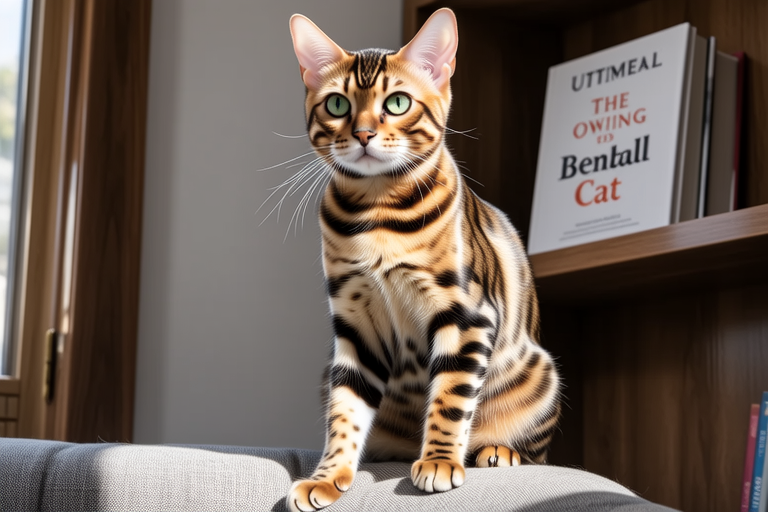
The Ultimate Guide to Owning a Bengal Cat: Tips for Happier Pets
Bengal cats have become increasingly popular among pet lovers due to their striking appearance and playful nature. These cats, known for their leopard-like coats, are a hybrid breed developed from crossing domestic cats with Asian leopard cats. Their unique looks, combined with their high energy levels and intelligence, make them a favorite among cat enthusiasts. However, owning a Bengal cat comes with specific responsibilities. This guide will walk you through the essential steps to ensure your Bengal cat lives a long, healthy, and happy life.
Choosing the Right Bengal Cat
Selecting the right Bengal cat is crucial for a harmonious relationship. Consider adopting from reputable breeders who prioritize the health and temperament of their cats. Look for kittens that are active, curious, and comfortable around humans. Early socialization is key; therefore, choose a kitten that has been handled frequently by humans. Understanding the different generations (F1, F2, etc.) can also help in making an informed decision, as each generation has varying degrees of wild ancestry and characteristics.
Essential Nutrition Guidelines
Nutrition plays a vital role in keeping your Bengal cat healthy. A balanced diet rich in proteins, fats, vitamins, and minerals is essential. High-quality commercial cat food, preferably grain-free, is recommended to cater to their carnivorous dietary requirements. Avoid foods containing fillers or artificial preservatives. Fresh water should always be available, and some Bengal cats enjoy the taste of wet food over dry. Consult with a veterinarian to determine the ideal calorie intake and feeding schedule for your Bengal based on its age, weight, and activity level.
Creating a Stimulating Environment
Bengals are highly energetic and require a stimulating environment to thrive. Provide plenty of vertical spaces such as cat trees, shelves, and window perches. Interactive toys like puzzle feeders, laser pointers, and feather wands encourage physical exercise and mental engagement. Bengals love water, so consider offering a shallow dish where they can splash. Rotate toys regularly to maintain interest and provide new challenges. Establishing a routine with consistent playtimes can help channel their energy into positive outlets.
Grooming Needs
Bengal cats have short, dense coats that require regular grooming to keep them clean and shiny. Brush them weekly to remove loose hair and distribute natural oils. Their coat’s unique pattern requires gentle handling to avoid damaging the fur. Bathing is usually unnecessary unless they get excessively dirty, but if needed, use a mild cat shampoo and dry them thoroughly. Check their ears weekly for dirt or debris and clean gently with a cotton ball dipped in a vet-approved ear cleaner. Trim their nails every few weeks to prevent overgrowth and scratching damage.
Common Health Issues and Prevention
Like all breeds, Bengals are prone to certain health issues. Hypertrophic cardiomyopathy, a heart condition, is one concern. Regular veterinary check-ups, including heart screenings, can help detect early signs. Hip dysplasia, a joint disorder, is another potential issue. Maintaining a healthy weight and providing a supportive sleeping area can reduce the risk. Dental disease is common in cats, so brush their teeth regularly and offer dental treats. Vaccinations and parasite prevention are also crucial for overall health.
Training Techniques
Training a Bengal cat can be both fun and challenging. Positive reinforcement methods, such as clicker training, are effective for teaching basic commands and tricks. Reward good behavior with treats and praise. Bengals are intelligent and enjoy problem-solving, so interactive toys that dispense treats can encourage desired behaviors. Be patient and consistent, as Bengals may take time to learn new commands. Training sessions should be short and frequent to maintain their interest.
Socializing Your Bengal Cat
Socialization is critical for a well-adjusted Bengal cat. Expose them to various environments, people, and other animals from an early age. Encourage gentle interactions with visitors and introduce them to different sounds and experiences gradually. Bengals are generally friendly but can be selective about whom they trust. Providing a safe space where they can retreat if feeling overwhelmed is important. Socializing them properly ensures they grow up to be confident and sociable pets.
Maintaining a Strong Bond Through Play and Interaction
A strong bond between you and your Bengal cat is essential for their emotional well-being. Spend quality time together daily through interactive play. Engage in activities they enjoy, such as chasing toys or playing fetch. Bengals are affectionate and enjoy cuddling, but respect their boundaries and give them space when needed. Establishing routines and rituals, such as a specific bedtime routine, can strengthen your bond further. Regular communication through petting, talking, and eye contact helps build trust and understanding.
Summary
Owning a Bengal cat is a rewarding experience when their specific needs are met. From selecting the right kitten to ensuring proper nutrition and socialization, each step contributes to their happiness and longevity. By providing a stimulating environment, adhering to a grooming routine, and addressing health concerns proactively, you can ensure your Bengal cat thrives. Training and bonding through play and interaction enhance the joy of living with these beautiful creatures. Embracing the unique traits of Bengal cats and meeting their requirements will lead to a fulfilling companionship for both you and your feline friend.
