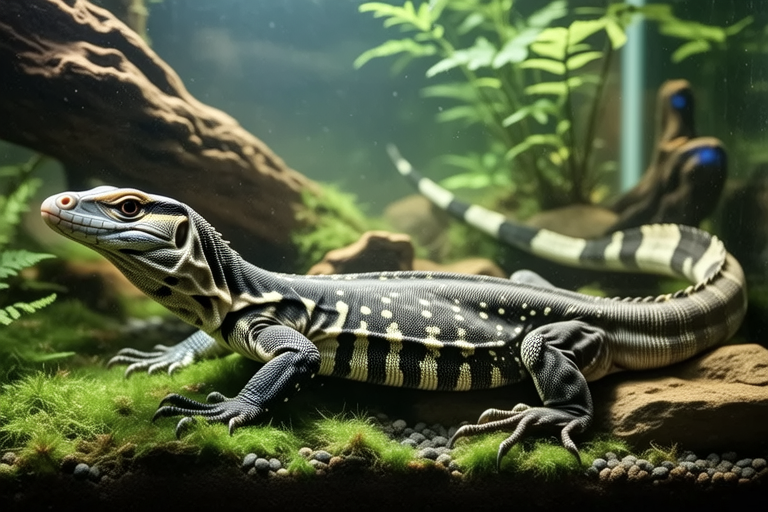
From Swamp to Home: How to Successfully Keep a Water Monitor Pet
The water monitor (Varanus salvator) is a fascinating reptile species native to Southeast Asia, known for its impressive size and remarkable adaptability. These animals can grow to lengths of over six feet and are equally at home in aquatic environments as they are on land. Owning a water monitor can be an incredibly rewarding experience for those who are prepared to meet the unique challenges of this pet. However, it’s essential to understand that these creatures require specific care and a significant commitment. This article will guide you through the process of keeping a water monitor, from setting up the right habitat to understanding their dietary and behavioral needs.
Introduction: Unique Characteristics and Challenges
Water monitors are among the largest lizards in the world, and their sheer size demands a spacious living environment. They are intelligent, curious, and often quite active, which means they need plenty of space to explore and exercise. One of the most appealing aspects of water monitors is their ability to thrive in both terrestrial and aquatic settings, making them a unique addition to any exotic pet collection. However, their requirements also make them a challenging pet for beginners. Proper research and preparation are crucial before deciding to bring a water monitor into your home.
Setting Up the Right Habitat
A well-designed habitat is the cornerstone of successful water monitor ownership. The enclosure should be large enough to accommodate the lizard’s size and activity level. A minimum of 8 feet by 4 feet by 4 feet is recommended for adult water monitors, with dimensions increasing proportionally for larger specimens. The enclosure should have a deep substrate to allow digging and a large water area for swimming. Use a secure top screen or lid to prevent escapes, as water monitors are excellent climbers and swimmers.
Temperature regulation is another critical aspect of habitat setup. Water monitors are ectothermic, meaning they rely on external heat sources to regulate their body temperature. Provide a basking spot with a temperature range of 95°F to 100°F and a cooler area around 80°F to 85°F. UVB lighting is essential for vitamin D3 synthesis, which aids in calcium absorption. Ensure the UVB bulbs are replaced every six months to maintain effectiveness.
Providing a Balanced Diet
Water monitors are carnivorous and require a diet rich in protein. Their menu should include a variety of insects, small mammals, fish, and occasionally eggs. Juveniles may eat more frequently than adults, but even full-grown monitors should be fed every two to three days. It’s important to gut-load feeder insects with nutritious food and dust them with a calcium supplement to ensure adequate nutrition. Additionally, occasional supplementation with multivitamins can help maintain overall health.
Feeding practices should be carefully monitored to avoid overfeeding, which can lead to obesity. Obesity in water monitors can result in health issues such as liver disease and reduced lifespan. Always provide fresh, clean water for drinking and bathing. Water quality should be maintained by regularly changing the water and cleaning the enclosure.
Maintaining Health Through Regular Check-Ups
Regular veterinary check-ups are essential for the long-term health of your water monitor. Reptile veterinarians can provide valuable insights into your pet’s health and offer guidance on proper care techniques. During check-ups, the veterinarian will examine your monitor for signs of illness, parasites, or nutritional deficiencies. Early detection and treatment of health issues can prevent complications and extend your pet’s life expectancy.
At-home monitoring of your water monitor’s behavior and appearance can also help detect potential health problems. Changes in appetite, lethargy, or abnormal skin coloration should prompt a visit to the veterinarian. Maintaining a clean and hygienic environment is another key factor in preventing illness. Regularly clean the enclosure, replace substrates, and disinfect surfaces to minimize the risk of bacterial and fungal infections.
