Pet Owner’s Guide to Raising Heterometrus Spinifer Safely at Home
Heterometrus spinifer, commonly known as the Asian forest scorpion or Malaysian forest scorpion, is a species of scorpion native to Southeast Asia. These fascinating creatures are popular among exotic pet enthusiasts due to their unique appearance and relatively docile nature. However, owning a Heterometrus spinifer requires careful consideration and proper care to ensure both the well-being of the scorpion and the safety of its owner. This guide aims to provide pet owners with comprehensive information on how to raise Heterometrus spinifer safely at home.
Introduction to Heterometrus Spinifer
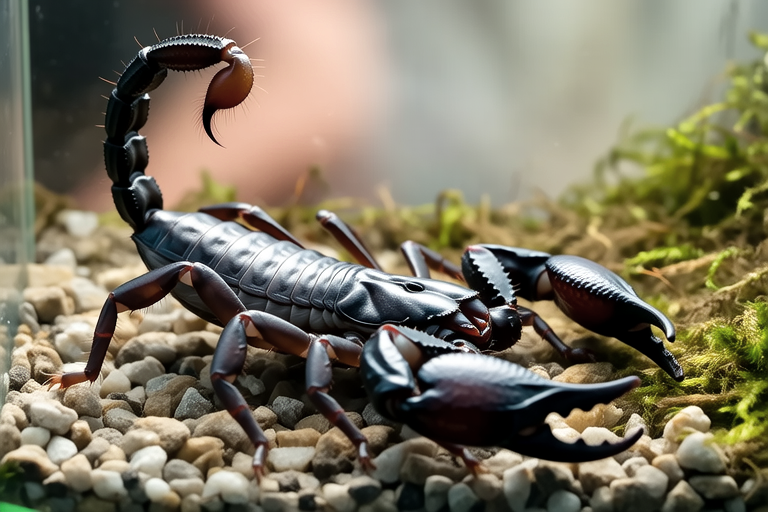
The Heterometrus spinifer is a medium-sized scorpion that can grow up to 8 inches in length. It has a robust body, with a dark brown or black coloration, and distinct spines on its tail. Unlike some other scorpion species, Heterometrus spinifer is generally less aggressive and more tolerant of handling. Their venom is mild, but it’s still advisable to handle them with caution. They are primarily nocturnal and spend most of their time hiding during the day.
Suitable Habitat Setup
Creating an appropriate habitat is crucial for the health and happiness of your Heterometrus spinifer. The enclosure should mimic their natural environment as closely as possible. A glass tank with a secure lid is recommended to prevent escapes and maintain humidity levels. The tank size should be at least 10 gallons for one adult scorpion, but larger enclosures are preferable to allow for more exploration.
The substrate should be moistened coconut fiber or peat moss, which helps maintain the necessary humidity level. Avoid using wood chips or bark, as these can harbor harmful bacteria. Provide several hiding spots such as cork bark, hollow logs, or artificial caves. These hideouts offer security and aid in molting. Ensure there is also a shallow water dish for drinking and humidity control.
Temperature and humidity are vital factors. Maintain a temperature range between 75°F and 85°F (24°C to 29°C) and humidity levels around 70% to 80%. Use a thermostat and hygrometer to monitor these conditions accurately. Proper heating can be achieved with under-tank heaters or ceramic heat emitters, while maintaining humidity can be done through regular misting.
Dietary Requirements
Heterometrus spinifer are carnivorous and require a diet rich in protein. Their primary food source consists of live insects such as crickets, mealworms, and dubia roaches. It is essential to gut-load the feeder insects with nutritious foods before offering them to your scorpion. Feed juveniles every 3-4 days, while adults can be fed once a week. Always remove uneaten prey after a few hours to avoid potential harm to the scorpion.
Variety in the diet can help ensure balanced nutrition. Introducing different types of insects occasionally can provide additional nutrients. Additionally, calcium and vitamin supplements are beneficial, especially for younger scorpions. Dust the feeder insects with these supplements before feeding.
Handling and Safety Tips for Owners
While Heterometrus spinifer are generally docile, they can still deliver a painful sting if mishandled. Always wash your hands thoroughly before and after handling to prevent any transfer of oils or chemicals from your skin to the scorpion. Use a pair of soft, wide tweezers or a small paintbrush to gently guide the scorpion into its enclosure after handling.
Children and pets should be supervised around the scorpion at all times. Keep the enclosure in a secure location out of reach of curious hands. In case of a sting, although rare, seek medical attention immediately. Symptoms may include localized pain, swelling, and redness, which typically resolve within a few hours.
Common Health Issues
Like any pet, Heterometrus spinifer can experience health issues. One of the most common problems is improper shedding, known as ecdysis. During this process, the scorpion may become lethargic and stop eating. Ensure the enclosure is humid enough to facilitate easy shedding. If the exoskeleton does not fully detach, consult a veterinarian specializing in exotic pets.
Another issue is malnutrition, often resulting from an insufficient variety of prey items or lack of supplementation. Regularly check for signs of weakness, lethargy, or weight loss. Overfeeding can lead to obesity, so monitor the frequency and quantity of feedings carefully.
Signs of Distress
It is important for owners to recognize signs that their Heterometrus spinifer might be in distress. Behavioral changes such as increased aggression, reduced activity, or refusal to eat could indicate underlying health issues. Physical signs like unusual coloration, difficulty moving, or visible injuries should also prompt immediate action.
If you notice any of these symptoms, isolate the scorpion from others and consult a veterinarian specializing in exotic animals. Early intervention can often prevent more serious complications.
Conclusion
Raising Heterometrus spinifer safely at home requires dedication and knowledge. By understanding their needs and providing a suitable environment, you can ensure the longevity and well-being of your pet. Remember always to prioritize safety for both yourself and your scorpion. With proper care, your Heterometrus spinifer can thrive in your home, bringing joy and fascination to your life.
