From Aquarium to Paradise: The Ultimate Guide to Rajah Cichlid Care
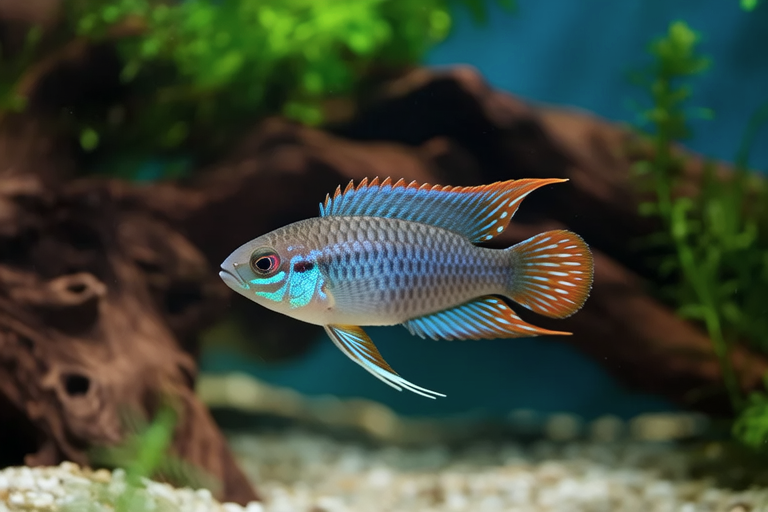
Rajah cichlids, also known as Aequidens rivulatus, are captivating fish species that have gained significant popularity among aquarium enthusiasts. These South American cichlids are distinguished by their striking appearance and robust nature. With vibrant colors ranging from deep blues and greens to iridescent silvers, Rajah cichlids bring a touch of tropical paradise to any home aquarium. Their unique behavior and adaptability make them a favorite among both novice and experienced aquarists.
Introduction to Rajah Cichlids
Rajah cichlids are native to the Amazon Basin and its tributaries, thriving in the slow-moving waters of the rivers and floodplains. They are known for their peaceful demeanor compared to other cichlid species, making them a great choice for community tanks. However, they can become territorial during breeding periods, so careful consideration must be given when selecting tankmates.
Ideal Tank Setup
To ensure a healthy and happy habitat for your Rajah cichlids, it’s essential to create an environment that mimics their natural surroundings. A tank size of at least 75 gallons is recommended to accommodate their active swimming patterns and provide ample space for hiding spots and territories. Decorate the tank with driftwood, rocks, and plenty of live plants such as Java Fern or Amazon Swords to replicate their natural habitat. This not only provides visual appeal but also helps maintain water quality.
Water Parameters
Maintaining optimal water conditions is crucial for the well-being of Rajah cichlids. Aim for a temperature range between 74°F and 82°F (23°C to 28°C) and a pH level between 6.0 and 7.5. Hardness should be kept within the soft to medium range, around 5 to 15 dGH. Regular testing and water changes are necessary to keep these parameters stable. Use a high-quality filter to ensure proper filtration and oxygenation, as Rajah cichlids require well-oxygenated water.
Diet
Rajah cichlids are omnivorous, meaning they eat both plant and animal matter. In the wild, they feed on insects, small crustaceans, and algae. In captivity, a balanced diet consisting of high-quality pellets, flakes, and occasional live or frozen foods like bloodworms and brine shrimp will keep them healthy and vibrant. It’s important to avoid overfeeding, as this can lead to poor water quality and obesity. Feeding twice daily with small portions is sufficient.
Breeding Habits
Breeding Rajah cichlids can be a rewarding experience for dedicated aquarists. To encourage spawning, increase water temperature slightly to about 80°F (27°C) and provide ample hiding spots for the eggs. Rajah cichlids are biparental substrate spawners, meaning both parents guard the eggs and fry. Once the eggs hatch, the fry will need infusoria or commercially available fry food until they are large enough to consume regular fish food.
Common Health Issues
Like all aquatic creatures, Rajah cichlids can fall prey to various health issues. Common ailments include Ich, fin rot, and swim bladder disorders. Early detection and treatment are key to preventing serious complications. Regular observation and prompt action can help mitigate these risks. Quarantine new fish before introducing them to the main tank to prevent the spread of diseases.
Tips for Maintaining a Healthy Environment
- Perform weekly water changes of approximately 25% to maintain water quality.
- Monitor water parameters closely and address any deviations immediately.
- Provide a varied diet to ensure nutritional balance.
- Ensure adequate filtration and aeration to maintain oxygen levels.
- Regularly clean the tank to remove debris and waste.
Troubleshooting Potential Problems
If you notice unusual behavior or physical symptoms in your Rajah cichlids, there are several steps you can take to diagnose and treat the issue:
- Check water parameters for any inconsistencies.
- Observe feeding habits and adjust diet if necessary.
- Consult with a veterinarian specializing in exotic pets for professional advice.
- Isolate affected fish in a quarantine tank to prevent spreading illness.
Integrating Rajah Cichlids into Community Tanks
When adding Rajah cichlids to a community tank, it’s important to choose compatible tankmates carefully. Peaceful species such as tetras, guppies, and some catfish can coexist harmoniously with Rajah cichlids. Avoid aggressive or territorial fish that may provoke Rajah cichlids or compete for resources. Always introduce new fish gradually and monitor interactions closely to ensure a peaceful coexistence.
In conclusion, Rajah cichlids are fascinating and beautiful additions to any aquarium. By providing the right environment, diet, and care, you can enjoy these magnificent fish for years to come. Whether you’re a beginner or an experienced aquarist, understanding the specific needs of Rajah cichlids will help you create a thriving and vibrant underwater world.
