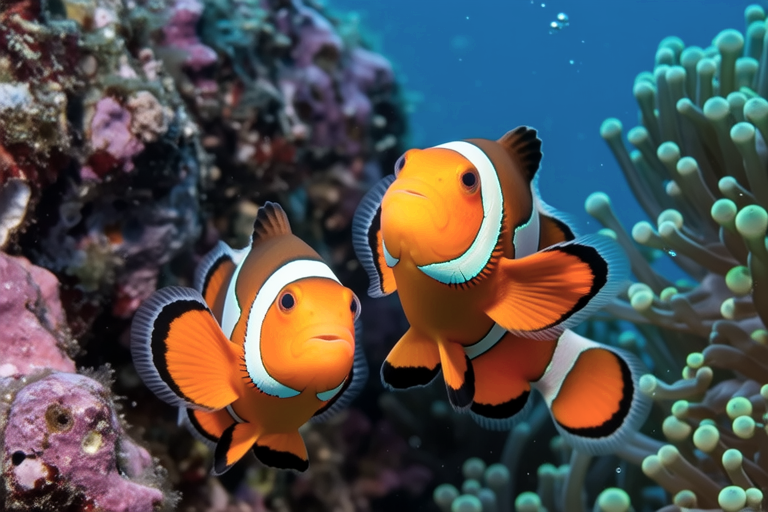
Top 10 Myths About Clownfish Busted!
Introduction:
Clownfish have captured the hearts of millions worldwide, thanks in large part to their starring role in the animated film Finding Nemo. Their vibrant colors, playful demeanor, and close relationship with sea anemones make them one of the most beloved creatures in the ocean. However, as with any popular topic, misinformation abounds. This article aims to clear up some of the most common myths about clownfish, providing you with accurate, scientific insights into these fascinating fish.
Myth 1: All Clownfish Live with Sea Anemones
What the Myth Is: Many believe that clownfish live exclusively within sea anemones, relying on them for protection from predators.
Why It’s Commonly Believed: The iconic image of Nemo swimming among the tentacles of his anemone home has reinforced this notion. Additionally, many aquariums showcase clownfish living symbiotically with sea anemones.
Busting the Myth: While it’s true that clownfish often coexist with sea anemones, they can also thrive without them. In the wild, clownfish can be found in areas where sea anemones are scarce, and in captivity, they adapt well to environments without these cnidarians. The primary benefit of their relationship with sea anemones is the protection they offer against predators; however, clownfish have other defense mechanisms and can survive independently.
Myth 2: Clownfish Can Change Their Gender at Will
What the Myth Is: There’s a widespread belief that clownfish can change their gender whenever they want.
Why It’s Commonly Believed: This misconception stems from observations that a group of clownfish typically has one dominant male and several females. When the dominant male dies, the largest female can transform into a male to take over the breeding position.
Busting the Myth: While clownfish can indeed change sex, it’s not a voluntary process. The transformation occurs when environmental conditions necessitate it, such as the death of the dominant male. This change is triggered by hormonal shifts rather than a conscious decision by the fish. Understanding this helps us appreciate the complex social structures within clownfish communities.
Myth 3: Clownfish Are Easy to Keep in Home Aquariums
What the Myth Is: Some people think that because clownfish are so popular, they must be easy to care for in home aquariums.
Why It’s Commonly Believed: Clownfish are frequently sold in pet stores and are often marketed as beginner-friendly fish.
Busting the Myth: While clownfish can be hardy, they require specific water conditions and a balanced diet to thrive. Maintaining proper salinity, temperature, and pH levels is crucial. Additionally, clownfish need adequate space and hiding spots. Beginners might find it challenging to meet these requirements, making them less suitable for novice aquarists. Research and preparation are key to successfully keeping clownfish.
Myth 4: Clownfish Eat Only Algae
What the Myth Is: There’s a common belief that clownfish primarily feed on algae.
Why It’s Commonly Believed: This myth likely arises from the fact that clownfish are often seen near coral reefs, which are rich in algae.
Busting the Myth: In reality, clownfish are omnivorous, meaning they eat both plant and animal matter. Their diet includes small invertebrates, plankton, and algae. Providing a varied diet in captivity ensures better health and longevity. Feeding them a mix of specialized pellets, frozen foods, and occasional fresh vegetables will mimic their natural diet more closely.
Myth 5: Clownfish Are Naturally Aggressive
What the Myth Is: Some aquarists believe that clownfish are naturally aggressive and will attack other tank mates.
Why It’s Commonly Believed: Observations of clownfish defending their territory might lead to this assumption.
Busting the Myth: Clownfish can exhibit territorial behavior, especially when protecting their host anemone or eggs. However, aggression towards other species is rare unless provoked. In a well-planned aquarium, clownfish can coexist peacefully with other non-aggressive fish. Proper tank setup and careful selection of tank mates are essential to maintaining harmony.
Myth 6: Clownfish Always Have a Host Anemone
What the Myth Is: It’s often thought that clownfish always have a host anemone.
Why It’s Commonly Believed: The strong association between clownfish and sea anemones in media and educational materials has solidified this idea.
Busting the Myth: While clownfish are known for their symbiotic relationship with sea anemones, not all species of clownfish live with them. Some species prefer other types of shelter, such as coral or rock crevices. Even those that do associate with sea anemones may not always have one available or may choose not to use it.
Myth 7: Clownfish Can Survive in Freshwater
What the Myth Is: There’s a misconception that clownfish can live in freshwater environments.
Why It’s Commonly Believed: The availability of clownfish in various pet stores and online retailers might contribute to this belief.
Busting the Myth: Clownfish are strictly marine fish and cannot survive in freshwater. They require saltwater with specific salinity levels to maintain their osmoregulatory balance. Attempting to keep them in freshwater would lead to severe health issues and ultimately death. Ensuring the correct environment is crucial for their survival.
Myth 8: Clownfish Can Live Forever
What the Myth Is: Some people believe that clownfish have an indefinite lifespan.
Why It’s Commonly Believed: The enduring nature of clownfish in movies and media might lead to this assumption.
Busting the Myth: Like all living creatures, clownfish have a finite lifespan. In the wild, they can live up to 10 years, while in captivity, they may reach 15 years if well cared for. Factors like water quality, diet, and stress levels significantly impact their longevity. Regular maintenance and proper care are vital to extending their life span.
Myth 9: Clownfish Are Not Social Creatures
What the Myth Is: There’s a belief that clownfish are solitary and do not interact with other fish.
Why It’s Commonly Believed: The focus on individual clownfish in media might lead to this misconception.
Busting the Myth: Clownfish are actually quite social and form tight-knit groups. They communicate through body language and sounds. In the wild, they often live in harems, with one dominant male and multiple females. In captivity, they can also form social hierarchies. Encouraging social interactions in a tank can enhance their well-being.
Myth 10: Clownfish Are Harmless to Other Marine Life
What the Myth Is: Some believe that clownfish pose no threat to other marine organisms.
Why It’s Commonly Believed: Their small size and peaceful appearance might lead to this assumption.
Busting the Myth: While clownfish are generally peaceful, they can still impact their environment. For example, they feed on small invertebrates and can potentially disrupt local ecosystems if introduced to areas where they are not native. Responsible ownership involves understanding the potential ecological impacts of keeping these fish.
Conclusion: Advice for Potential Clownfish Owners and Enthusiasts
Understanding the truth behind these myths is crucial for anyone interested in clownfish, whether as a hobbyist or a professional in marine biology. Proper research, preparation, and respect for the natural behaviors and needs of clownfish will ensure they thrive in both home aquariums and natural habitats. By dispelling these misconceptions, we can foster a deeper appreciation for these remarkable creatures and contribute positively to their conservation.
