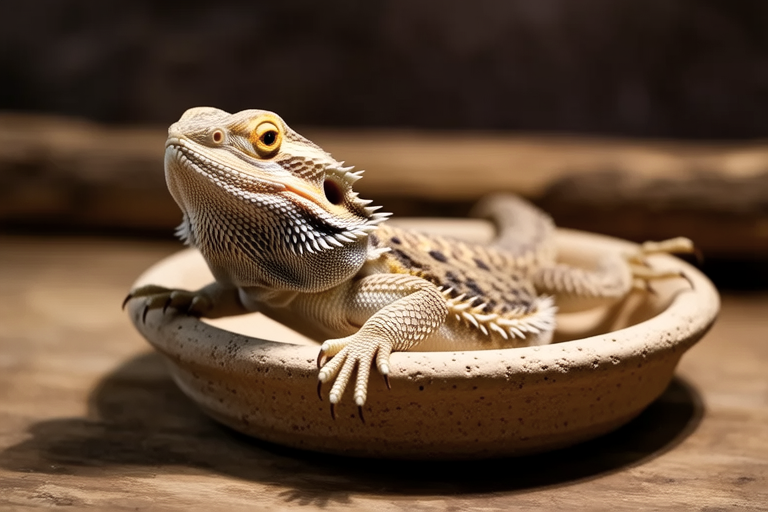
Bearded Dragon Behavior Decoded: Understanding Your Pet’s Actions
Welcome to the fascinating world of bearded dragon behavior! These unique reptiles have become increasingly popular as pets due to their docile nature and relatively low maintenance requirements. Bearded dragons, scientifically known as Pogona vitticeps, are native to the arid regions of Australia and are named for the spiky scales that form a beard-like appearance around their throats. Their popularity among pet enthusiasts is largely due to their distinct physical attributes and intriguing behavioral patterns. By understanding these behaviors, you can better care for your bearded dragon and develop a stronger bond with your scaly companion.
The Unique Characteristics of Bearded Dragons
Bearded dragons are medium-sized lizards that range from 12 to 24 inches in length. They possess a broad, triangular head, robust limbs, and a long, tapering tail. One of their most distinctive features is the ability to change the color of their skin, which they use for various purposes. Another notable trait is their ability to “bob” their heads and wave their arms, behaviors that serve as forms of communication within their species. These actions are not only captivating but also provide valuable insights into their well-being and mood.
Head Bobbing: A Sign of Dominance or Aggression?
Head bobbing is one of the most recognizable behaviors exhibited by bearded dragons. This action involves rapid, up-and-down movements of the head, often accompanied by a puffed-up beard. Head bobbing is primarily used as a display of dominance, especially when a male bearded dragon encounters another male. It serves as a warning or challenge, signaling to potential rivals that the bobber is not to be underestimated. However, this behavior can also occur in less aggressive contexts, such as during mating rituals or when greeting familiar humans.
It’s important to note that head bobbing should not be confused with other head movements, such as nodding or tilting, which may indicate different states of alertness or interest. To interpret head bobbing accurately, consider the context and environment. If your bearded dragon is alone in its habitat, head bobbing might simply be a form of self-stimulation or exercise. In contrast, if it occurs in the presence of another bearded dragon or a perceived threat, it likely indicates a more assertive or territorial stance.
Arm Waving: A Gesture of Submission or Playfulness?
Arm waving is another striking behavior commonly observed in bearded dragons. This involves slowly lifting one front leg, extending it outward, and then lowering it back down. This action is usually performed when the bearded dragon encounters something larger or more dominant, such as another bearded dragon or a human handler. Arm waving is generally interpreted as a gesture of submission, indicating that the dragon is not a threat and does not wish to engage in conflict. It can also be a sign of playfulness or curiosity, particularly when directed towards a familiar person.
Understanding the nuances of arm waving requires careful observation. If your bearded dragon frequently waves at you, it may be a sign that it feels comfortable and secure in your presence. On the other hand, if the behavior is sudden or paired with other signs of distress, it could indicate discomfort or fear. Pay attention to the overall body language and environmental factors to gain a clearer picture of what your bearded dragon is trying to communicate.
Puffing Up Their Beards: A Display of Mood or Defense Mechanism?
Puffing up their beards is another significant behavior displayed by bearded dragons. The beard, composed of loose skin and enlarged throat glands, can expand dramatically, giving the lizard a formidable appearance. This behavior is often associated with stress, fear, or aggression. When a bearded dragon feels threatened, it will puff out its beard to appear larger and more intimidating to potential predators or competitors. Additionally, the beard may darken or turn black, further enhancing the intimidating effect.
However, puffing up the beard is not always a sign of distress. Sometimes, bearded dragons will puff out their beards as part of their courtship display, particularly males attempting to attract females. In this context, the behavior is intended to convey strength and desirability rather than fear or aggression. To determine whether your bearded dragon’s beard puffing is a cause for concern, consider the circumstances surrounding the behavior. If it occurs frequently without obvious triggers, it might be worth consulting a veterinarian to rule out underlying health issues.
Color Changes: An Indicator of Health and Environment
Bearded dragons have the remarkable ability to change the color of their skin, a trait that plays a crucial role in their communication and adaptation to their environment. Color changes can be subtle or dramatic, depending on the situation. For instance, bearded dragons may lighten their skin to reflect sunlight and regulate their body temperature, or they may darken their skin to absorb more heat. These changes help them maintain an optimal internal temperature, which is essential for their metabolic processes.
Color changes can also signal emotional states. Bearded dragons may darken their skin when stressed, anxious, or feeling threatened. Conversely, they may brighten their colors when relaxed or content. In some cases, color changes can indicate health issues. For example, a pale or dull coloration might suggest dehydration or illness. Monitoring your bearded dragon’s color changes can provide valuable insights into its well-being and environmental needs.
Tips for Interpreting Bearded Dragon Behaviors Accurately
To ensure proper care and understanding of your bearded dragon’s behaviors, it’s essential to observe these actions within the broader context of its environment and overall health. Here are some tips to help you interpret these behaviors accurately:
- Observe Consistently: Regularly monitor your bearded dragon’s behaviors to establish a baseline of normal activity. This will make it easier to spot any unusual or concerning changes.
- Consider Environmental Factors: Be aware of the temperature, lighting, and other environmental conditions that could influence your bearded dragon’s behavior. For example, color changes may be related to thermoregulation rather than emotional state.
- Look for Patterns: Pay attention to patterns in your bearded dragon’s behavior. Repeated displays of certain actions in specific situations can provide clues about its preferences and needs.
- Seek Professional Advice: If you’re unsure about the meaning of a particular behavior or notice persistent signs of distress, consult a veterinarian or experienced herpetologist for guidance.
Fostering a Healthy Interaction Between Owner and Pet
Building a strong bond with your bearded dragon requires patience, understanding, and consistent effort. By learning to interpret its behaviors, you can create a nurturing environment that promotes its well-being and happiness. Here are some tips for fostering a healthy interaction:
- Respect Their Space: While bearded dragons are generally docile, they still need time to acclimate to their surroundings. Give your pet space and allow it to approach you at its own pace.
- Handle Gently: When handling your bearded dragon, always support its body and avoid pinching or squeezing. Use gentle, slow movements to prevent startling or stressing your pet.
- Create a Stimulating Habitat: Provide a variety of enrichment activities, such as climbing structures and hiding spots, to keep your bearded dragon mentally and physically engaged.
- Establish a Routine: Bearded dragons thrive on consistency. Establish a regular feeding and handling schedule to help your pet feel secure and comfortable.
Understanding and responding to your bearded dragon’s behaviors is key to forming a strong bond. By recognizing the significance of head bobbing, arm waving, beard puffing, and color changes, you can better meet your pet’s needs and provide the care it deserves. With patience and dedication, you can enjoy a rewarding relationship with your bearded dragon, ensuring a lifetime of companionship and mutual respect.
