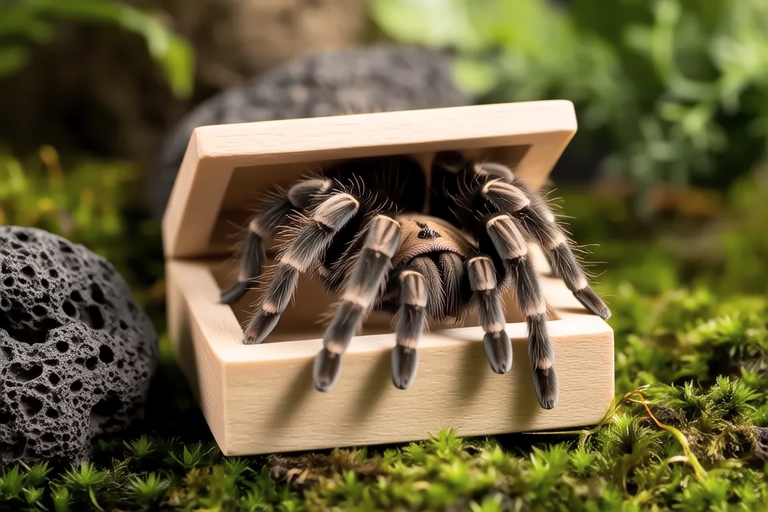
How to Successfully Care for Your Exotic Pet: The Tarantula Edition
Welcome to the fascinating world of tarantulas! These incredible arachnids have captivated the hearts of many pet enthusiasts. Caring for a tarantula can be a rewarding experience, but it requires understanding their unique needs and behaviors. This comprehensive guide will walk you through everything from choosing the right species to ensuring your tarantula remains healthy and happy.
Tarantula Species Diversity
There are over 1,000 recognized species of tarantulas, each with its own distinct characteristics. They come in various sizes, colors, and temperaments. Some popular choices include:
- Brown Recluse: Known for its reclusive nature and venomous bite.
- Chilean Rose Hair: A beginner-friendly species with vibrant pink hairs.
- Red Knee: A striking spider with distinctive red markings on its legs.
- Hairy Baboon: One of the larger species, known for its aggressive defense posture.
When selecting a tarantula, consider factors like size, temperament, and care requirements. Research thoroughly before making a purchase to ensure you’re prepared for the commitment.
Habitat Setup
Enclosure Size
The enclosure size depends on the tarantula’s size and species. As a general rule, provide at least three times the leg span in height and diameter. For example, if your tarantula has a leg span of 6 inches, its enclosure should be approximately 18 inches tall and wide.
Substrate
Selecting the right substrate is crucial for maintaining humidity levels and providing a natural environment. Common substrates include:
- Newspaper: Inexpensive and easy to clean.
- Coco Fiber: Retains moisture well and mimics the natural environment.
- Eco Earth: Provides excellent insulation and absorbs excess moisture.
Avoid using wood shavings or pine bark as they may harbor harmful fungi or bacteria.
Temperature and Humidity
Maintaining appropriate temperature and humidity levels is vital for your tarantula’s health. Most species thrive between 75-85°F (24-29°C) during the day and slightly cooler at night. Humidity should range from 50% to 80%, depending on the species.
Use a hygrometer to monitor humidity and a thermometer to check temperatures. Adjust heating elements or mist the enclosure as needed to maintain optimal conditions.
Diet and Feeding Habits
Tarantulas are carnivorous and primarily feed on insects. Their diet consists mainly of crickets, mealworms, and dubia roaches. Offer food every 1-2 weeks, depending on the tarantula’s age and size. Juveniles require more frequent feeding than adults.
Before feeding, ensure the prey item is gut-loaded (fed nutritious foods) and dusted with calcium powder to promote healthy growth. Remove uneaten prey after 24 hours to prevent stress or injury to your tarantula.
Handling and Safety Tips
Handling tarantulas should be done with caution. Many species are skittish and may react defensively if startled. Always handle them gently and avoid sudden movements. Use a plastic container or tongs when necessary.
Common myths about tarantulas include the belief that they are aggressive or dangerous. While some species can deliver painful bites, most tarantulas prefer to retreat rather than attack. Handling should be limited to minimize stress and ensure the safety of both you and your pet.
Health Concerns and Signs of Illness
Regular observation helps detect potential health issues early. Look out for signs such as lethargy, refusal to eat, unusual molting behavior, or changes in coloration. If you notice any concerning symptoms, consult a veterinarian specializing in exotic pets.
One common issue is improper shedding, which can lead to complications. Ensure the enclosure maintains adequate humidity to facilitate smooth molting. If your tarantula experiences difficulty shedding, refrain from handling it until the process is complete.
Tips for Bonding and Interacting with Your Tarantula
Bonding with your tarantula doesn’t involve physical interaction but rather creating a stable and enriching environment. Spend time observing its behavior, noting patterns and preferences. Provide hiding spots, climbing structures, and enrichment items like small branches or cork bark.
Respect your tarantula’s boundaries and avoid disturbing it unnecessarily. Over time, your tarantula will become accustomed to your presence, allowing for a deeper connection based on mutual trust.
In conclusion, caring for a tarantula requires dedication and attention to detail. By understanding their diverse needs and providing proper care, you can enjoy a fulfilling relationship with these remarkable creatures. Remember, patience and respect go a long way in fostering a healthy and happy pet.
