Exploring Clownfish: A Dive into Their Unique Behaviors and Ecosystems
Clownfish, or Anemonefish, are among the most recognizable and beloved creatures of the ocean. Known for their vibrant colors and entertaining antics, these small fish have captured the hearts of many. But beyond their charming appearance, clownfish exhibit a fascinating array of behaviors and adaptations that make them a subject of interest for marine biologists and enthusiasts alike.
The Symbiotic Relationship with Sea Anemones
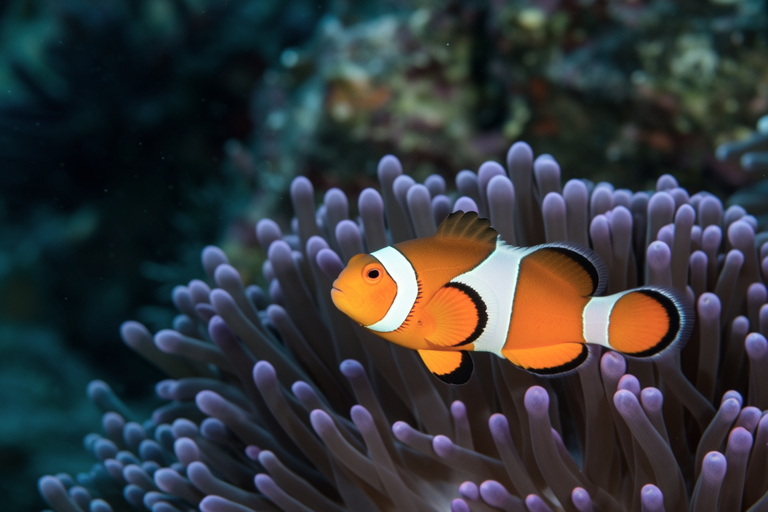
One of the most remarkable features of clownfish is their symbiotic relationship with sea anemones. These tentacled creatures provide clownfish with protection from predators and offer a safe haven. In return, clownfish help to keep the anemone clean by eating parasites and dead tissue. The clownfish’s unique mucus layer allows them to swim through the anemone’s stinging tentacles without getting harmed. This mutually beneficial relationship is a prime example of nature’s intricate balance.
Complex Social Structures Within Reef Communities
Clownfish live in complex social hierarchies within their reef communities. Each group consists of a single breeding pair and several non-breeding males. The dominant female is the largest member of the group, while the male is slightly smaller. When the dominant female dies, the largest male transitions into a female, becoming the new breeder. This unique ability to change sex ensures the continuation of the species, making clownfish a fascinating subject for studies on gender fluidity in animals.
Distinctive Color Patterns and Their Purpose
Clownfish come in various striking color combinations, including orange, white, and black stripes. These bold hues serve as a warning signal to potential predators, indicating that the fish is protected by its anemone host. The patterns also play a role in communication within the group, helping members identify each other and maintain their social structure. Additionally, the coloration may assist in attracting mates, ensuring the survival and propagation of the species.
Reproductive Habits and Parental Care
Clownfish reproduction is a fascinating process. During mating season, the female lays hundreds of eggs on a flat surface near the anemone. The male then fertilizes the eggs and guards them until they hatch, usually after six to ten days. Once hatched, the fry (baby clownfish) drift in the open ocean for several weeks before returning to the reef. This journey is fraught with danger, as many young clownfish fall prey to larger predators. Those that survive eventually find a suitable anemone host and establish their own territory.
Challenges Faced in the Wild
Despite their resilience, clownfish face numerous threats in their natural habitat. Overfishing, habitat destruction, and pollution are significant concerns. Coral reefs, the primary habitat of clownfish, are particularly vulnerable to climate change, which leads to rising sea temperatures and ocean acidification. These environmental changes can cause coral bleaching, a phenomenon where corals expel the algae living in their tissues, leading to their death. Without healthy coral reefs, clownfish lose their homes and food sources, putting their survival at risk.
The Impact of Climate Change on Clownfish Ecosystems
Climate change poses a severe threat to clownfish and their ecosystems. Warmer waters can cause anemones to become less effective at protecting their clownfish guests, leaving them vulnerable to predators. Ocean acidification, caused by increased carbon dioxide levels, weakens the calcium carbonate structures of both corals and anemones, making it harder for these organisms to thrive. As a result, clownfish populations are declining in many areas, highlighting the urgent need for conservation efforts.
Conservation Efforts to Protect Clownfish and Their Habitats
Several organizations and initiatives are working tirelessly to protect clownfish and their habitats. Marine protected areas (MPAs) have been established to safeguard critical reef ecosystems, providing clownfish with safe spaces to live and breed. Sustainable fishing practices and reduced pollution are also essential components of these conservation efforts. Educating the public about the importance of preserving marine biodiversity and encouraging responsible tourism can further contribute to the protection of clownfish and their ecosystems.
Conclusion
Clownfish are captivating creatures that embody the beauty and complexity of marine life. Their symbiotic relationship with sea anemones, complex social structures, and distinctive color patterns make them a subject of fascination for scientists and nature lovers alike. However, the challenges they face in the wild, particularly due to climate change, underscore the importance of conservation efforts. By supporting these initiatives, we can help ensure the survival of clownfish and the vibrant ecosystems they inhabit. Let us continue to explore and appreciate the wonders of the ocean, while working together to protect its inhabitants for generations to come.
