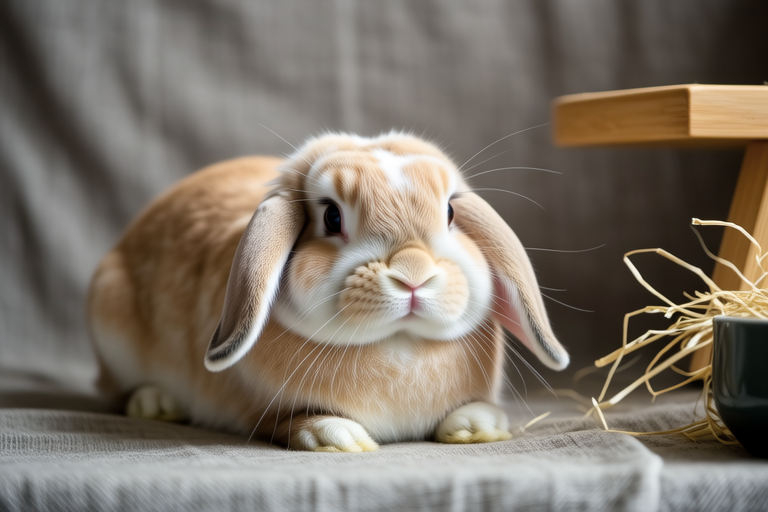
Lop Rabbits: The Ultimate Guide to Caring for Your Floppy-Eared Friend
Introduction
Welcome to the world of lop rabbits, one of the most popular and beloved breeds among rabbit enthusiasts. Known for their distinctive floppy ears, lop rabbits are gentle, affectionate, and easy to care for, making them ideal pets for families and individuals alike. These charming creatures have been captivating hearts for generations, and it’s no wonder why. With their soft, plush coats and endearing personalities, lop rabbits offer a delightful companionship that can last for many years. In this comprehensive guide, we’ll delve into the essential aspects of caring for your lop rabbit, from dietary needs to housing, grooming, exercise, health, and more. Whether you’re a first-time pet owner or an experienced rabbit lover, this guide will equip you with the knowledge to ensure your floppy-eared friend lives a happy and healthy life.
Dietary Needs
Proper nutrition is crucial for the overall health and well-being of your lop rabbit. A balanced diet should consist primarily of hay, which provides essential fiber for digestive health. Timothy hay is particularly recommended for adult rabbits, while alfalfa hay can be given sparingly to younger ones due to its higher calcium content. Fresh vegetables should also form part of your rabbit’s daily intake. Dark leafy greens like kale, spinach, and romaine lettuce are excellent choices, but they should be introduced gradually to avoid digestive upset. Additionally, a small amount of pellets formulated specifically for rabbits should be provided to ensure they receive necessary vitamins and minerals. Avoid feeding your lop rabbit sugary treats or foods high in fat, as these can lead to obesity and other health issues.
Housing Requirements
Adequate housing is vital for keeping your lop rabbit comfortable and safe. An indoor cage is generally preferred, offering protection from outdoor elements and potential predators. The cage should be spacious enough for your rabbit to stretch out fully and move around comfortably. For an average-sized lop, a minimum size of 4 feet by 2 feet by 2 feet is advisable. Line the bottom of the cage with absorbent bedding such as paper-based products or recycled newspaper. Provide your rabbit with a litter box to encourage good toileting habits. Ensure there is ample ventilation and that the cage is placed in a quiet area away from direct sunlight and drafts. Adding toys, tunnels, and platforms can enrich your rabbit’s environment, stimulating their natural behaviors and preventing boredom.
Grooming Tips
Lop rabbits have thick, dense fur that requires regular grooming to prevent matting and keep their coat healthy. Brushing your rabbit at least once a week is recommended, especially during shedding seasons when they lose more fur. Use a slicker brush or comb to remove loose hair and tangles gently. Pay special attention to areas behind the ears and under the chin where mats tend to form. Bathing is generally unnecessary unless your rabbit gets very dirty, as it can strip natural oils from their skin. If bathing is required, use a mild, unscented shampoo and ensure thorough rinsing to avoid irritation. Trim your rabbit’s nails regularly to prevent overgrowth, which can cause discomfort and hinder movement. Consult a veterinarian if you’re unsure about nail trimming to avoid accidental injury.
Exercise Recommendations
Rabbits are naturally active animals that need regular exercise to maintain physical and mental health. Providing a safe, enclosed space outside the cage allows your lop rabbit to explore and engage in natural behaviors. This could be a bunny-proofed room or a secure outdoor pen with supervision. Ensure the area is free from toxic plants and potential hazards. Allow your rabbit supervised time to hop, dig, and play. Toys designed for rabbits, such as chew toys and tunnels, can help stimulate their minds and provide entertainment. Rotate toys periodically to keep things interesting. Exercise also promotes muscle development and aids digestion. Aim for at least a few hours of supervised activity each day, adjusting based on your rabbit’s individual needs and energy levels.
Common Health Issues
Despite being generally hardy, lop rabbits can face certain health challenges. Dental problems are common, particularly if their diet lacks sufficient fiber. Signs include drooling, loss of appetite, and weight loss. Regular dental check-ups by a veterinarian are important to catch and address issues early. Ear infections can occur due to the breed’s long ears, so keep them clean and dry. Monitor for symptoms such as discharge, redness, or excessive scratching. Gastrointestinal stasis, a condition where the digestive system slows down or stops, can be life-threatening if left untreated. Symptoms include lethargy, reduced appetite, and smaller, harder droppings. Immediate veterinary attention is necessary. Obesity is another concern, so monitor your rabbit’s weight and adjust their diet accordingly. Regular check-ups and prompt treatment of any health issues can help your lop rabbit live a long, healthy life.
Socializing Your Lop Rabbit
Lop rabbits are sociable creatures that thrive on interaction with their human companions. Spend quality time with your rabbit every day, handling them gently and speaking softly to build trust. Introduce new environments gradually to avoid overwhelming them. Consider adopting a second rabbit for companionship, ensuring they are properly bonded and supervised. Positive reinforcement techniques, such as rewarding good behavior with treats or praise, can strengthen the bond between you and your rabbit. Socialization also includes introducing your rabbit to other household pets, ensuring they get along harmoniously. Always prioritize your rabbit’s safety and well-being when introducing new elements into their environment.
Choosing the Right Breeder
When selecting a lop rabbit, choosing the right breeder is paramount. Look for reputable breeders who prioritize the health and welfare of their rabbits. Visit the breeding facility in person if possible, observing the living conditions and interacting with the rabbits. Healthy rabbits should appear alert, have clear eyes and noses, and exhibit normal behavior. Ask about the lineage and any health concerns within the breeding stock. Reputable breeders will provide documentation of vaccinations and deworming treatments. They should also offer ongoing support and guidance after purchase. Avoid buying from pet stores or online sellers with unknown backgrounds, as these sources often lack transparency regarding the rabbits’ origins and care.
