Squirrels 101: What Every Pet Lover Should Know About These Charming Rodents
Introduction:
When it comes to popular wildlife, few creatures capture the imagination quite like squirrels. Often mistaken for potential pets, these agile and energetic rodents are a common sight in parks, gardens, and even urban areas. Their playful nature and striking appearance have made them a favorite subject for both casual observers and animal enthusiasts alike. However, while they may seem like ideal companions, there are several factors to consider before deciding to keep a squirrel as a pet. This article will provide an overview of squirrels, from their natural habitat and behavior to the challenges of keeping them as pets and how to coexist peacefully with wild squirrels in urban settings.
Natural Habitat and Behavior
Squirrels are found across various ecosystems, from dense forests to open grasslands and even urban areas. They are primarily diurnal animals, meaning they are most active during the day. Their natural habitat ranges from the temperate zones of North America to the tropical regions of Africa and Asia. In the wild, squirrels play a crucial role in seed dispersal, helping to maintain the health of their ecosystems.
One of the most distinctive features of squirrels is their diet, which consists mainly of nuts, seeds, fruits, and occasionally insects. Their strong incisors allow them to crack open tough shells and bark, while their sharp claws enable them to climb trees and dig for food. Squirrels are also known for their remarkable ability to remember where they’ve hidden food, a trait that has been studied extensively by scientists.
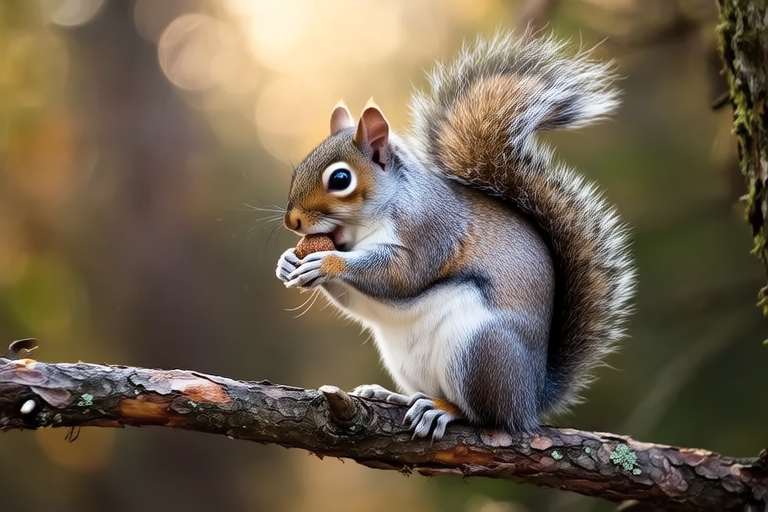
Physically, squirrels are characterized by their bushy tails, large eyes, and nimble bodies. Their tails serve multiple purposes, including balance, communication, and warmth. The size and coloration of squirrels can vary widely depending on the species. For instance, the American red squirrel is smaller and reddish-brown, while the Eastern gray squirrel is larger and, as its name suggests, gray.
Unique traits that make squirrels appealing include their playful demeanor and acrobatic skills. Watching them leap from branch to branch or scurry up and down trees can be a delightful experience. Additionally, squirrels are highly intelligent and can solve problems, such as figuring out how to access food placed in puzzle feeders.
Challenges of Keeping Squirrels as Pets
Despite their charm, keeping squirrels as pets comes with significant challenges. One major issue is legality; many countries and states prohibit owning squirrels as pets due to their status as wildlife. Even where ownership is permitted, obtaining a squirrel legally can be difficult and expensive. It’s essential to check local regulations before considering a squirrel as a pet.
Another challenge is the difficulty in providing a suitable environment for a squirrel. In the wild, squirrels live in complex social structures and have access to a wide range of stimuli. Captivity can lead to boredom and stress, which may manifest as behavioral issues or health problems. Providing adequate space, mental stimulation, and social interaction is crucial for their well-being.
Feeding a squirrel correctly is another important aspect of pet ownership. While they are omnivores, their diet should closely mimic what they would eat in the wild. This includes a variety of nuts, seeds, fruits, and vegetables. Feeding table scraps or inappropriate foods can lead to nutritional deficiencies or obesity. Additionally, squirrels require clean water at all times.
Veterinary care for squirrels can be challenging due to their specialized needs. Many veterinarians lack experience with exotic animals, so finding a qualified professional may require some effort. Regular check-ups, vaccinations, and prompt treatment of any health issues are essential for maintaining a squirrel’s health.
Legal Considerations and Necessary Care Requirements
Before bringing a squirrel into your home, understanding the legal implications is vital. In many places, owning a squirrel without proper permits is illegal. The penalties for violating these laws can be severe, including fines and confiscation of the animal. Always consult local authorities or wildlife agencies to ensure compliance with regulations.
Caring for a squirrel requires more than just love and attention. A spacious cage or enclosure is necessary to allow for movement and exercise. The cage should be equipped with climbing structures, toys, and hiding spots to provide mental stimulation. Regular cleaning of the enclosure is essential to prevent illness.
Socialization is another critical aspect of caring for a squirrel. While they can bond with humans, they need regular interaction to stay happy and healthy. Spending time with your squirrel, playing with it, and offering treats can help build a strong relationship. However, it’s important to remember that squirrels are wild animals at heart and may never fully adapt to life as a domesticated pet.
Training squirrels can also be rewarding but requires patience and consistency. Positive reinforcement techniques, such as offering treats for desired behaviors, work well. Training sessions should be short and frequent to avoid overwhelming the squirrel.
Tips for Coexisting Peacefully with Wild Squirrels in Urban Environments
For those who wish to enjoy the company of squirrels without keeping them as pets, there are ways to coexist peacefully in urban environments. Providing food and water in designated areas can attract squirrels and give them a reliable source of sustenance. However, it’s important to offer appropriate food options to avoid causing harm.
Creating habitats that appeal to squirrels can also encourage their presence. Planting trees and shrubs that produce edible fruits or nuts provides a natural food source. Adding bird feeders filled with squirrel-friendly snacks can also be beneficial. Ensuring these feeding stations are secure and squirrel-proof is essential to prevent waste and protect other wildlife.
Respecting squirrels’ space is key to peaceful coexistence. While it’s tempting to approach or handle wild squirrels, doing so can cause stress and potentially harm both you and the animal. Observing squirrels from a distance allows you to appreciate their behavior without interfering.
Finally, educating others about squirrels and the importance of protecting their habitats can help promote a positive relationship between humans and these charming rodents. Sharing knowledge about squirrels’ role in the ecosystem and the benefits of conserving their natural homes can inspire action and foster appreciation.
Conclusion:
Squirrels are fascinating creatures with unique traits and behaviors that make them appealing to pet lovers. While keeping them as pets comes with challenges and responsibilities, understanding their natural habitat and behavior can deepen our appreciation for these charming rodents. By respecting their place in the ecosystem and providing appropriate care, we can ensure that squirrels continue to thrive in both wild and urban environments. Whether you choose to adopt a squirrel or simply observe them in your neighborhood, learning more about these delightful creatures enriches our lives and fosters a greater connection with the natural world.
