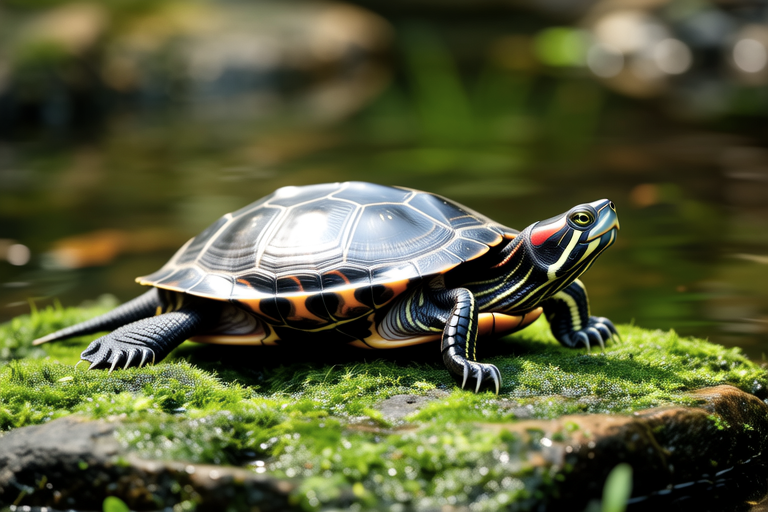
Red-eared Slider: The Ultimate Guide for First-time Turtle Owners
Welcome to the wonderful world of turtle ownership! Red-eared sliders are among the most popular pet turtles due to their attractive appearance and relatively easy care requirements. However, like any pet, they require careful attention and understanding to thrive. This guide will walk you through everything you need to know about owning a red-eared slider, from setting up the perfect habitat to ensuring your turtle’s health and happiness.
Basic Care Requirements
Before diving into the specifics of housing and feeding, it’s important to understand the general needs of a red-eared slider. These turtles are semi-aquatic, meaning they spend time both in water and on land. They require spacious living conditions, ample basking areas, and clean water to maintain optimal health.
Tank Size
The first consideration for housing a red-eared slider is the tank size. For a single adult slider, a tank that measures at least 40 gallons is recommended. However, larger tanks are better as they provide more swimming space and reduce the frequency of water changes. Keep in mind that sliders grow rapidly, so plan for a tank upgrade as your pet matures.
Water Quality
Water quality is crucial for your turtle’s health. Poor water conditions can lead to bacterial infections and other diseases. Regular water changes and proper filtration are necessary to keep the environment clean. Aim for partial water changes twice weekly and full changes once every two weeks.
Filtration
Investing in a good quality filter is essential. Filters help maintain water clarity by removing waste and debris. Look for a filter with adjustable flow rates and consider adding a UV sterilizer to further enhance water quality.
Habitat Setup
Creating a suitable habitat for your red-eared slider involves more than just filling a tank with water. Proper lighting, temperature control, and decor are vital components of a healthy environment.
Lighting
Your turtle requires UVB light to synthesize vitamin D3, which aids in calcium absorption and prevents metabolic bone disease. Use a high-quality UVB lamp designed for reptiles, and ensure it covers at least 75% of the basking area. Replace the bulb every six months or as recommended by the manufacturer.
Temperature Control
Maintaining the right temperature gradient within the tank is critical. Water temperatures should range between 75°F and 80°F (24°C to 27°C). A submersible heater can be used to achieve this. On the basking side, temperatures should reach 90°F to 95°F (32°C to 35°C) to encourage natural behavior and digestion.
Basking Area
A basking area allows your turtle to dry off and regulate its body temperature. Provide a flat rock or platform large enough for your turtle to comfortably rest on. Ensure the basking area is easily accessible from the water.
Diet and Nutrition
Proper nutrition is key to keeping your red-eared slider healthy and active. A balanced diet should consist of both commercial pellets and fresh foods.
Commercial Pellets
Pellets formulated specifically for aquatic turtles are a convenient and nutritious staple food. Look for products rich in vitamins and minerals, particularly calcium. Feed your turtle daily, but monitor their intake to prevent overeating.
Fresh Foods
Variety is important in a turtle’s diet. Offer a mix of vegetables, fruits, and protein sources. Good choices include leafy greens like kale and collard greens, occasional fruits such as strawberries and blueberries, and lean proteins like cooked chicken or fish. Avoid iceberg lettuce and spinach, as they offer little nutritional value.
Health Concerns
Despite their hardy nature, red-eared sliders can face various health issues if not cared for properly. Common problems include shell rot, respiratory infections, and vitamin deficiencies.
Shell Rot
Shell rot is caused by bacteria or fungi and appears as soft spots or discoloration on the shell. To prevent shell rot, maintain clean water and avoid overcrowding. If signs appear, consult a veterinarian specializing in reptiles.
Respiratory Infections
These infections often result from poor water quality or inadequate heating. Symptoms include nasal discharge, lethargy, and difficulty breathing. Immediate veterinary care is necessary.
Vitamin Deficiencies
Ensure your turtle has access to UVB light and a balanced diet to prevent vitamin D3 and calcium deficiencies, which can lead to metabolic bone disease.
Common Behaviors
Understanding your turtle’s natural behaviors can help you provide a stimulating and enriching environment.
Basking
One of the most noticeable behaviors is basking. Your turtle will frequently climb onto its platform to absorb heat and sunlight. Providing a comfortable basking spot is essential for their well-being.
Swimming
Red-eared sliders are excellent swimmers. They enjoy exploring their aquatic environment, so ensure there is plenty of room for them to move around freely.
Feeding Behavior
Observe how your turtle eats and interacts with its food. Some may be more aggressive at feeding times, while others might be shy. Adjust feeding schedules and methods accordingly to accommodate individual preferences.
Tips for Handling
Handling your turtle gently and correctly is important for both your safety and the turtle’s comfort.
Washing Hands
Always wash your hands before and after handling your turtle to prevent the spread of salmonella and other pathogens.
Gentle Grip
Support your turtle’s body with both hands, avoiding excessive squeezing or lifting by the legs or tail. Slide your hand under the turtle and gently lift it out of the water.
Frequency of Handling
While interaction is beneficial, too much handling can stress your turtle. Limit handling sessions to short periods and only when necessary.
Common Mistakes to Avoid
As a first-time turtle owner, there are several common pitfalls to watch out for:
- Ignoring Water Quality: Neglecting regular water changes and maintenance can lead to unhealthy living conditions.
- Improper Lighting: Failing to provide adequate UVB lighting can result in serious health issues.
- Overfeeding: Excessive feeding can cause obesity and digestive problems.
- Lack of Basking Spot: Not providing a safe and accessible basking area can hinder your turtle’s ability to thermoregulate.
- Inadequate Space: Keeping your turtle in a tank that’s too small can lead to stress and health problems.
Conclusion
Owning a red-eared slider can be a rewarding experience, but it comes with responsibilities. By following the guidelines outlined in this guide, you can provide a safe, healthy, and enjoyable home for your pet turtle. Remember, each turtle is unique, so pay close attention to your pet’s behavior and adjust care as needed. With proper care and attention, your red-eared slider will thrive and bring joy to your household for years to come.
