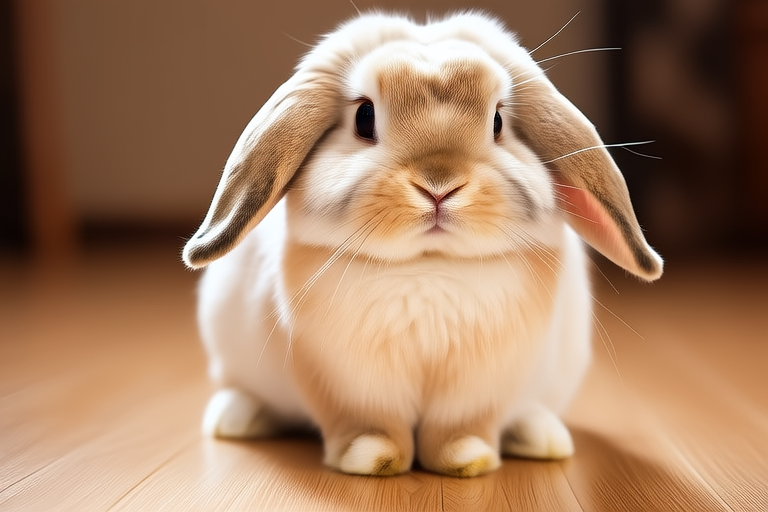
The Ultimate Guide to Caring for Your Gentle Giant, the Lop Rabbit
Welcome to the world of lop rabbits! Known for their gentle demeanor and large size, these rabbits require special care to ensure they live long, healthy lives. This comprehensive guide will walk you through all aspects of caring for your lop rabbit, from housing and diet to grooming, exercise, healthcare, and bonding tips.
Housing Your Lop Rabbit
Providing your lop rabbit with an appropriate living space is crucial. Lops are larger than many other breeds, so they need ample room to move around comfortably. An indoor hutch or cage that measures at least 3 feet by 4 feet by 2 feet high is recommended. Ensure the flooring is soft and comfortable, as lops can be prone to joint issues due to their weight.
For bedding, choose soft materials like straw, hay, or paper-based products. Avoid cedar or pine shavings, as they can irritate your rabbit’s respiratory system. The enclosure should have a sheltered area where your rabbit can retreat when it feels threatened or wants privacy.
Regular cleaning of the hutch is essential. Remove soiled bedding daily and thoroughly clean the entire enclosure at least once a week to maintain hygiene and prevent the spread of diseases.
Dietary Needs
A balanced diet is vital for your lop rabbit’s health. The mainstay of their diet should be fresh grass hay, which provides fiber necessary for proper digestion. Feed your rabbit unlimited amounts of hay daily.
In addition to hay, offer a small amount of pelleted rabbit food designed specifically for adult rabbits. Limit this to about 1/4 cup per 5 pounds of body weight daily. Fresh vegetables, such as leafy greens (spinach, romaine lettuce), carrots, and bell peppers, should make up 10% of their diet. Introduce new vegetables gradually to avoid digestive upset.
Fruits and treats should be given sparingly, as they are high in sugar. Provide clean, fresh water at all times, either in a sipper bottle or a heavy ceramic dish that won’t tip over easily.
Grooming Your Lop Rabbit
Lop rabbits have long ears that require regular attention to prevent matting and infection. Gently brush your rabbit’s ears weekly with a soft-bristled brush. Check for signs of redness, swelling, or discharge, which could indicate an ear infection.
Brush your lop’s coat regularly to remove loose hair and prevent hairballs. Use a slicker brush for short-haired varieties and a pin brush for long-haired lops. Bathing should be done only when absolutely necessary, as rabbits are self-groomers and prefer to keep themselves clean.
Trimming nails is another important grooming task. Use nail clippers designed for small animals and trim only the tips to avoid cutting the quick, which can cause bleeding and pain. Consult a veterinarian if unsure how to safely trim your rabbit’s nails.
Exercise and Playtime
Despite their size, lop rabbits are active and enjoy playtime. Allow your rabbit supervised time outside its enclosure each day. A safe, enclosed area free from hazards is ideal. Provide toys such as tunnels, chew sticks, and balls to stimulate your rabbit’s natural behaviors.
Supervised outdoor time can also be beneficial, but ensure the area is secure and free from predators. Always supervise your rabbit when it’s out of its enclosure to prevent accidents.
Healthcare for Your Lop Rabbit
Veterinary care is essential for maintaining your lop rabbit’s health. Schedule annual check-ups with a veterinarian experienced in treating rabbits. They can provide vaccinations against common diseases and advise on preventive care.
Monitor your rabbit’s behavior and appetite closely. Sudden changes may indicate illness. Common health issues include dental problems, respiratory infections, and gastrointestinal stasis. Early detection and treatment are key to successful outcomes.
Spaying or neutering your lop rabbit is highly recommended. Not only does it prevent unwanted pregnancies, but it also reduces the risk of certain cancers and behavioral issues.
Bonding with Your Lop Rabbit
Building a strong bond with your lop rabbit takes time and patience. Spend quality time with your rabbit each day, offering gentle handling and positive reinforcement. Rabbits respond well to consistency and routine.
Train your rabbit using clicker training techniques or simple commands. This not only strengthens the bond between you and your pet but also helps prevent destructive behaviors. Always reward good behavior with praise and treats.
Respect your rabbit’s boundaries and allow it to approach you when it feels comfortable. Never force interactions or handle your rabbit roughly, as this can lead to stress and mistrust.
Conclusion
Caring for a lop rabbit is a rewarding experience that requires commitment and dedication. By providing proper housing, nutrition, grooming, exercise, and healthcare, you can ensure your gentle giant enjoys a happy, healthy life. Remember to always prioritize your rabbit’s well-being and enjoy the companionship of this wonderful pet.
