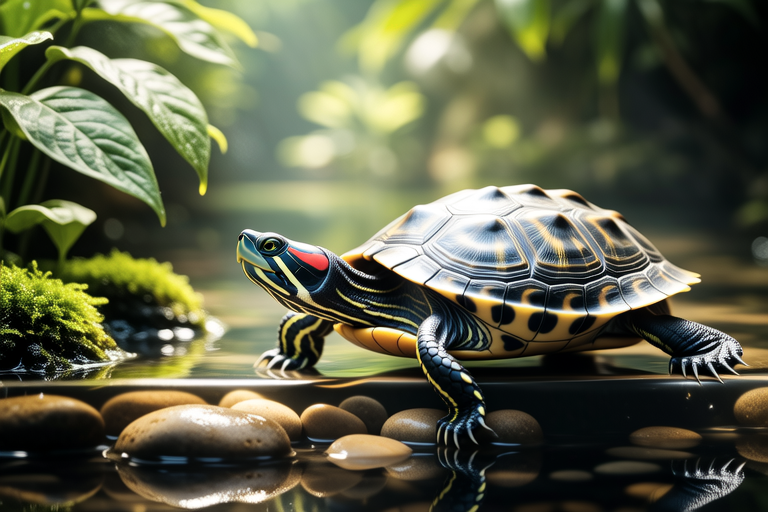
The Ultimate Guide: How to Set Up the Perfect Habitat for a Red-Eared Slider Turtle
Red-eared slider turtles are popular pets known for their vibrant colors and relatively low-maintenance care. However, providing the right habitat is crucial for their health and well-being. This comprehensive guide covers everything you need to know about setting up the perfect habitat for your red-eared slider turtle.
Ideal Tank Size
The size of the tank is one of the most critical factors in ensuring your turtle’s health. Red-eared sliders grow rapidly and require ample space to swim and move around comfortably. A general rule is to provide at least 10 gallons of water per inch of shell length for juveniles. For adults, aim for a minimum of 40 gallons for a single turtle, increasing by 10 gallons for each additional turtle. Larger tanks, such as 75 or 120 gallons, are preferable for adult turtles to allow them to fully extend their limbs while swimming.
Water Quality Maintenance
Water quality is paramount for the health of your turtle. Regular water changes are necessary to maintain cleanliness and prevent harmful bacteria from thriving. Aim to change about 25% of the water weekly, and perform a complete water change every two weeks. Using a gravel vacuum can help remove debris and uneaten food without disturbing the beneficial bacteria in the filter. Always use dechlorinated water, as chlorine can be harmful to turtles.
Filtration Systems
A high-quality filtration system is essential for maintaining clean water. Choose a filter that provides mechanical, biological, and chemical filtration. Mechanical filtration removes large particles, biological filtration supports beneficial bacteria that break down waste, and chemical filtration helps eliminate odors and toxins. Ensure the filter is appropriately sized for the tank and provides enough flow rate to keep the water moving. Filters should be cleaned regularly to maintain their efficiency.
Temperature and Lighting Requirements
Maintaining the correct temperature and lighting conditions is vital for the overall health of your turtle. Water temperatures should range between 75°F and 80°F (24°C – 27°C), while the air temperature above the water should be between 85°F and 90°F (29°C – 32°C). Use submersible heaters to maintain these temperatures, and ensure they are securely anchored to prevent accidents. Install a thermostat to monitor and regulate the temperature accurately.
Basking lights are equally important, providing the heat and UVB radiation necessary for proper calcium absorption and metabolism. Position the basking area so that the turtle can easily access it. Ensure the light fixture is securely mounted and out of reach of the water. Replace UVB bulbs every six months, as their effectiveness diminishes over time. Use a timer to ensure consistent exposure to light and darkness, mimicking natural day-night cycles.
Appropriate Substrate
The substrate at the bottom of the tank plays an essential role in maintaining water quality. Gravel is a popular choice for its ease of cleaning and aesthetic appeal. Opt for medium-sized gravel to prevent ingestion, which could cause blockages. Avoid substrates like sand, which can be ingested and lead to impaction. Alternatively, consider using artificial turf or silicone-based products specifically designed for reptile habitats.
Necessary Decorations for Hiding and Basking
Incorporating decorations into your turtle’s habitat enhances its comfort and enriches its environment. Provide a basking platform where your turtle can climb out of the water and dry off. Ensure the platform is stable and allows the turtle to completely extend its body. Rocks, driftwood, and commercially available turtle docks are excellent options. Additionally, include plants and other decorations to create hiding spots and stimulate natural behaviors. These elements also contribute to the tank’s visual appeal.
Diet Considerations
Feeding your red-eared slider a balanced diet is key to its growth and development. Juvenile turtles should be fed daily, while adults can be fed every other day. Offer a variety of foods, including commercial turtle pellets, fresh vegetables, and occasional live or frozen prey like earthworms, crickets, or small fish. Ensure the diet includes a mix of protein, vitamins, and minerals. Avoid feeding them iceberg lettuce, as it lacks nutritional value. Always offer food in a designated feeding area to minimize contamination of the water.
Common Mistakes to Avoid
Avoid overcrowding the tank, as it can lead to stress and health issues. Ensure the water level is appropriate for the turtle’s size, allowing it to swim freely without struggling. Do not use tap water directly in the tank; always dechlorinate it first. Refrain from placing too many decorations in the tank, as they can hinder the turtle’s movement and make it difficult to clean the tank effectively.
Tips for Regular Maintenance
To keep your turtle’s habitat clean and healthy, establish a routine for regular maintenance. Clean the filter media monthly, replacing it as needed. Scrub the tank walls and decorations with a soft brush to remove algae and buildup. Inspect the basking area and substrate regularly, making adjustments as necessary. Keep a close eye on the water parameters, adjusting the heater and filtration as needed to maintain optimal conditions.
Ensuring a Healthy Living Environment
Creating a safe and stimulating environment for your red-eared slider turtle requires attention to detail and commitment. By following the guidelines outlined in this guide, you can provide your pet with the best possible living conditions. Regular monitoring and maintenance will help prevent potential health issues and ensure your turtle thrives in its new home.
