From Fear to Admiration: Why Chilean Rose Tarantulas Make Great Pets
When it comes to exotic pets, few creatures evoke such strong reactions as tarantulas. Many people are quick to dismiss them as dangerous or unsuitable for domestic life. However, nothing could be further from the truth, especially when it comes to the Grammostola rosea, better known as the Chilean rose tarantula. This article aims to dispel common myths about tarantulas, highlight the unique beauty of Chilean rose tarantulas, and provide essential information on their care and handling. By the end, you’ll see why these fascinating arachnids make great pets.
Dispelling Common Myths About Tarantulas
The first step towards appreciating Chilean rose tarantulas is understanding the misconceptions surrounding them. One of the most pervasive myths is that all tarantulas are aggressive and dangerous. In reality, Chilean rose tarantulas are quite docile. They are not prone to biting unless severely provoked, and even then, their venom is mild, causing only minor irritation similar to a bee sting. Another myth is that tarantulas are dirty and carry diseases. These spiders are actually quite clean, spending much of their time grooming themselves. Their habitats require minimal maintenance, making them ideal for those looking for a low-maintenance pet.
The Unique Beauty of Chilean Rose Tarantulas
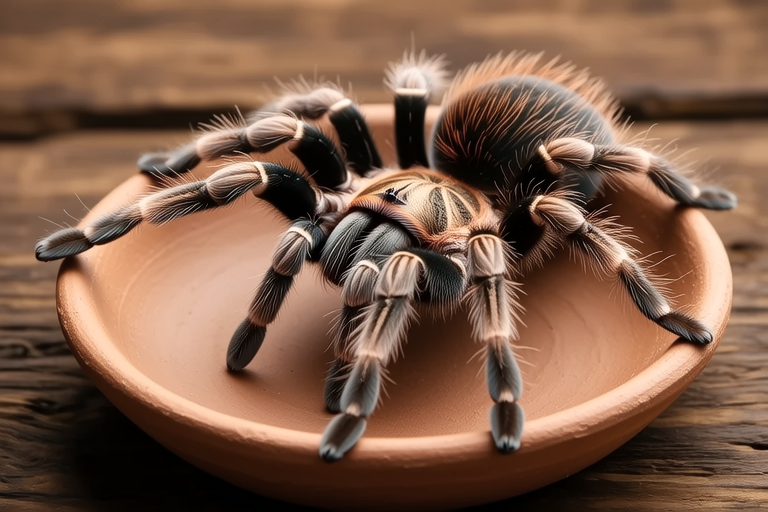
Chilean rose tarantulas are not just fascinating because of their docile nature; they are also incredibly beautiful. These tarantulas are named for their distinctive pinkish hue, which can range from light rose to deep red, depending on the individual spider. Their legs are often adorned with dark brown or black bands, adding to their striking appearance. The contrast between their vibrant colors and darker markings makes each Chilean rose tarantula a unique work of art. Their bodies are covered in fine hairs that help them detect vibrations and protect them from predators, giving them an almost velvety texture. This combination of color and texture makes them one of the most visually appealing tarantulas available as pets.
Low Maintenance Requirements
One of the reasons why Chilean rose tarantulas are such popular pets is their relatively low maintenance requirements. These spiders do not require daily interaction or elaborate setups. A simple enclosure with appropriate substrate, hiding spots, and temperature control is sufficient for their well-being. The ideal habitat for a Chilean rose tarantula should mimic its natural environment, which consists of dry, sandy areas. A terrarium with a layer of sand or coconut fiber substrate, a few small hideouts, and a shallow water dish will suffice. Temperature should be maintained between 75-85°F (24-29°C), with humidity levels around 50-60%. Regular cleaning of the enclosure and occasional misting of the substrate to maintain humidity are the primary care tasks.
Suitable Habitats and Dietary Needs
Creating the right habitat is crucial for the health and happiness of your Chilean rose tarantula. A glass terrarium with a secure lid is recommended to prevent escapes and ensure proper ventilation. The terrarium should be large enough to allow the spider ample space to move around and hunt. Adding live plants or artificial decorations can enhance the aesthetic appeal of the enclosure while providing additional hiding spots. For dietary needs, these tarantulas are carnivorous, feeding primarily on insects like crickets, mealworms, and dubia roaches. Feeding once or twice a week is usually sufficient, depending on the size and age of the spider. It’s important to gut-load feeder insects with nutritious food before offering them to your tarantula to ensure they receive optimal nutrition.
Tips on Handling and Bonding Safely
Handling your Chilean rose tarantula requires patience and respect for their natural behavior. While they are generally docile, it’s important to handle them gently and infrequently to avoid stressing them out. Always use a soft, wide-mouthed container to transfer the spider from its enclosure to a safe handling area. Gently place the container over the spider and slowly invert it, allowing the spider to crawl into the container. Once inside, you can carefully lift the container and place it on a flat surface for observation. Handling should be done with minimal disturbance and should never involve direct contact with the spider’s body. Over time, regular, gentle handling can help establish a bond between you and your pet, making interactions more enjoyable and less stressful for both parties.
The Rewarding Aspects of Owning a Chilean Rose Tarantula
Owning a Chilean rose tarantula can be a rewarding experience on multiple levels. Firstly, these spiders are excellent for educational purposes. Observing their behavior, learning about their biology, and understanding their care needs can be highly enlightening. Children, in particular, can benefit from having a tarantula as a pet, as it can teach them responsibility, empathy, and respect for different species. Additionally, the presence of a tarantula can have a calming effect on its owner. The slow, deliberate movements and the quiet demeanor of these spiders can create a soothing atmosphere, making them ideal companions for stress relief. Furthermore, owning a Chilean rose tarantula can foster a sense of accomplishment and pride. Successfully caring for an exotic pet requires dedication and knowledge, and seeing your spider thrive under your care is incredibly fulfilling.
In conclusion, Chilean rose tarantulas are far from the dangerous, dirty creatures they are often portrayed as. They are docile, beautiful, and relatively easy to care for, making them excellent pets for both novice and experienced exotic animal enthusiasts. By understanding their unique needs and providing them with a suitable habitat, you can enjoy a rewarding and enriching relationship with your Chilean rose tarantula. So, if you’re considering an exotic pet, perhaps it’s time to reconsider the tarantula and embrace the many benefits these fascinating creatures have to offer.
