The Ultimate Guide to Choosing the Perfect Clownfish for Your Aquarium
Welcome to the world of marine aquariums! If you’re considering adding a clownfish to your underwater kingdom, you’re in for a treat. These vibrant, charismatic fish have captured the hearts of many aquarists with their striking appearance and fascinating behavior. This comprehensive guide will walk you through everything you need to know about choosing the perfect clownfish for your aquarium, from understanding different species to ensuring a healthy and thriving environment.
Understanding Different Clownfish Species Suitable for Home Aquariums
Clownfish belong to the genus Amphiprion and the closely related genus Premnas. There are approximately 30 recognized species within these genera, each offering unique colors, patterns, and behaviors. Not all species are suitable for home aquariums, so it’s essential to choose one that fits your setup and experience level.
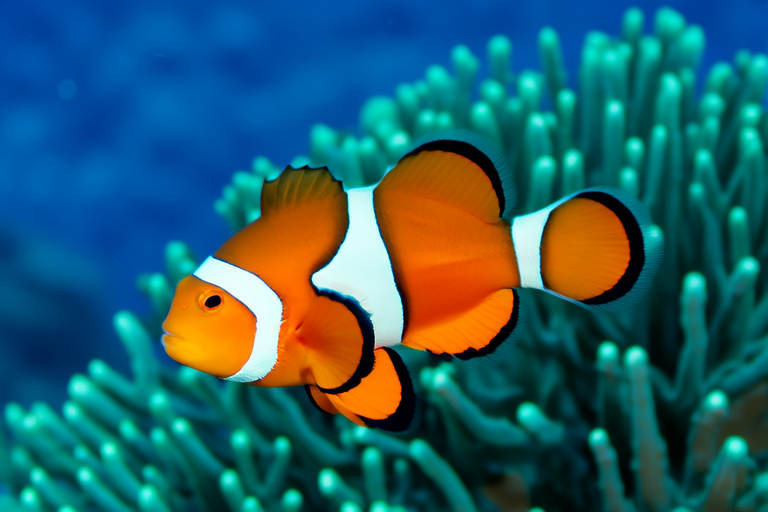
- Amphiprion ocellaris (False Percula Clownfish): Known for its iconic orange body with white stripes, this species is often found in home aquariums. They are relatively hardy and adaptable, making them excellent choices for beginners.
- Amphiprion percula (Percula Clownfish): Similar to the False Percula, but slightly more challenging to care for. They require a stable water environment and are more sensitive to changes.
- Amphiprion clarkii (Clark’s Clownfish): A larger species with variable coloration, from brown to yellow. They can be aggressive and territorial, better suited for experienced aquarists.
- Premnas biaculeatus (Maroon Clownfish): One of the largest clownfish species, known for its striking maroon color and bold personality. They are also highly territorial and can be aggressive towards other fish.
Factors to Consider When Selecting a Clownfish
Selecting the right clownfish involves several considerations:
Experience Level
If you’re new to aquarium keeping, start with a hardy species like the False Percula Clownfish. More experienced aquarists may opt for species that require more specific care or have more complex needs.
Size and Growth Rate
Consider the adult size of the clownfish you choose, as some species can grow quite large. Ensure your tank is adequately sized to accommodate their growth.
Dietary Requirements
Research the dietary preferences of your chosen species. Some clownfish are more carnivorous than others, requiring a varied diet of meaty foods.
Compatibility with Other Fish
Ensure that your chosen clownfish species will get along with any existing tank mates. Some species are more aggressive and territorial than others.
Tips for Setting Up an Ideal Habitat
A well-planned aquarium is crucial for the health and happiness of your clownfish. Here are some tips to create an optimal habitat:
Water Quality
Maintain pristine water conditions by regularly testing and adjusting parameters such as pH, ammonia, nitrite, and nitrate levels. A stable environment is key to your clownfish’s wellbeing.
Heating and Filtration
Invest in a reliable heater to maintain a consistent temperature between 76°F and 82°F (24°C to 28°C). Choose a high-quality filter to ensure efficient biological filtration.
Decorations and Hiding Spots
Provide ample hiding spots and decorations to mimic a natural reef environment. Anemones, live rock, and caves are popular choices for clownfish.
Diet and Feeding Guidelines
Clownfish are omnivores, meaning they eat both plant-based and animal-based foods. A balanced diet is essential for their health and vitality.
Feeding Frequency
Feed your clownfish 2-3 times daily, offering small portions to avoid overfeeding.
Variety in Diet
Incorporate a variety of foods into their diet, including high-quality flake food, frozen brine shrimp, mysis shrimp, and pellets designed for marine fish. Some clownfish enjoy algae wafers or blanched vegetables.
Common Health Issues and How to Prevent Them
Like any living creature, clownfish can fall ill if not properly cared for. Here are some common health issues and prevention tips:
Ich (White Spot Disease)
This parasitic disease causes white spots on the fish’s body. Prevention includes maintaining good water quality and quarantine new additions to the tank. Treatment involves raising the water temperature and using appropriate medications.
Fungal Infections
Fungi thrive in poor water conditions. Regular water changes and avoiding injuries to the fish can help prevent fungal infections.
Bacterial Infections
Signs include redness, bloating, or lethargy. Keep the tank clean and monitor water quality to prevent bacterial infections.
Advice on Tank Mates Compatibility
Choosing compatible tank mates is crucial for the well-being of your clownfish. Here are some tips:
Aggression Levels
Some clownfish species are more aggressive than others. Research the temperament of your chosen species to avoid conflicts with other fish.
Similar Water Conditions
Select tank mates that require similar water conditions to ensure everyone thrives in the same environment.
Compatible Species
Good companions for clownfish include peaceful species like gobies, blennies, and non-aggressive wrasses. Avoid aggressive or territorial species that might bully or harm your clownfish.
By following these guidelines, you’ll be well on your way to creating a thriving marine aquarium for your beloved clownfish. Remember, patience and careful planning are key to ensuring the health and happiness of your aquatic pets. Happy fishkeeping!
