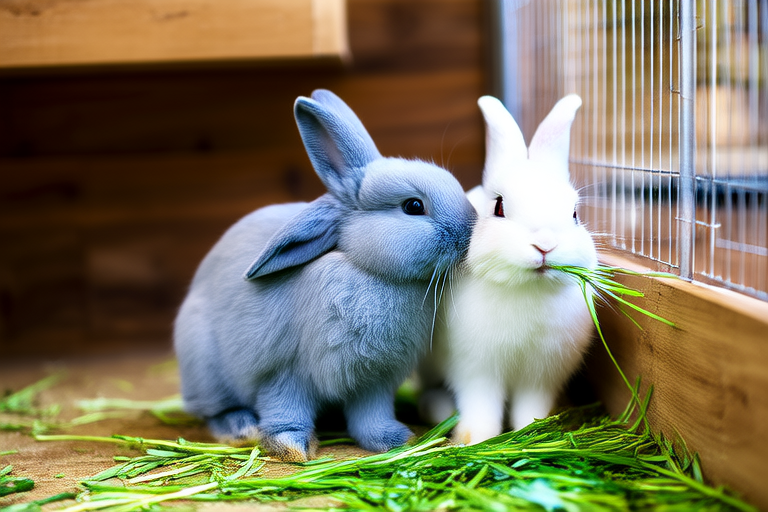
Dutch Dwarf Rabbits: Everything You Need to Know Before Adoption
Welcome to the delightful world of Dutch Dwarf rabbits! These charming creatures are a popular choice among rabbit enthusiasts due to their small size, friendly demeanor, and appealing appearance. Before you bring one of these adorable pets into your home, it’s essential to understand their unique characteristics, care requirements, and the responsibilities that come with rabbit ownership.
Introduction to Dutch Dwarf Rabbits
The Dutch Dwarf rabbit, also known as the Netherland Dwarf, is a compact breed originating from the Netherlands. Despite their diminutive stature, they pack a lot of personality and charm. They are one of the smallest domesticated rabbit breeds, typically weighing between 1.5 to 2.5 pounds. Their compact size makes them ideal for apartment living, but don’t let their petite frame fool you; these rabbits have big personalities!
Physical Characteristics
Dutch Dwarfs are distinguished by their short, dense fur, which can come in a variety of colors, including black, white, chocolate, blue, and many more. Their ears are short and rounded, giving them a distinctive and endearing look. The breed’s robust body structure and compact form make them highly adaptable to various living conditions. They are generally between 8 to 10 inches in length, making them perfect for small spaces.
Temperament
Dutch Dwarfs are known for their gentle and sociable nature, making them excellent companions. They thrive on human interaction and can bond closely with their owners. These rabbits are curious and playful, often showing great interest in their surroundings. However, they may also display a certain level of shyness when first introduced to new environments or people. With time and patience, they usually become more confident and affectionate.
Common Health Issues
Like all animals, Dutch Dwarfs can be susceptible to certain health problems. Common issues include dental disease, respiratory infections, and digestive disorders. Regular veterinary check-ups are crucial to ensure early detection and treatment of any potential health concerns. Providing a balanced diet, proper housing, and ample exercise can significantly reduce the risk of these ailments.
Dietary Needs
A well-balanced diet is vital for maintaining the health and vitality of your Dutch Dwarf rabbit. The foundation of their diet should consist of unlimited access to fresh hay, such as timothy hay, which aids in digestion and prevents obesity. Pellets formulated specifically for dwarf rabbits should be offered in limited quantities, typically one tablespoon per two pounds of body weight daily. Fresh vegetables and fruits can be given in moderation, ensuring a variety of nutrients. Always introduce new foods gradually to avoid upsetting their sensitive digestive systems.
Housing Requirements
Creating a suitable living environment is key to keeping your Dutch Dwarf happy and healthy. A spacious cage or enclosure with at least three times the rabbit’s body length in width and depth provides adequate space for movement and play. The cage should have solid flooring to prevent injury from wire mesh, along with soft bedding like straw or shredded paper for comfort. Ensure good ventilation and protection from drafts, while also providing a cozy hideaway for privacy and security. Regular cleaning of the living area is necessary to maintain hygiene and prevent illness.
Exercise Recommendations
Despite their small size, Dutch Dwarfs require regular exercise to stay fit and mentally stimulated. Daily supervised playtime outside of their enclosure allows them to explore and engage with their surroundings. Exercise pens or rabbit-proofed rooms offer safe areas for exploration. Be cautious about introducing new toys or objects that could pose choking hazards. Interactive play sessions also foster a stronger bond between you and your pet.
Grooming and Bonding Tips
Grooming your Dutch Dwarf rabbit is relatively simple compared to some other breeds. Their short fur requires minimal maintenance, but regular brushing helps remove loose hair and prevents matting. Bathing is generally unnecessary unless absolutely required, as it can stress the rabbit. When bonding with your pet, consistency and positive reinforcement are key. Spend quality time together, offering treats and gentle handling to build trust. Patience and understanding will help establish a strong, loving relationship.
Adoption Procedures and Costs
Adopting a Dutch Dwarf rabbit involves several steps. Begin by researching local shelters or rescue organizations that specialize in rabbits. Many shelters have detailed profiles of available rabbits, including age, sex, and background information. Once you’ve found a suitable candidate, complete an application process, which may include interviews or home visits to assess suitability. Adoption fees vary depending on location and organization but generally range from $20 to $75. This fee often covers initial vaccinations, spaying or neutering, and microchipping.
Responsibilities of Rabbit Ownership
Owning a Dutch Dwarf rabbit comes with significant responsibilities. Providing proper care, nutrition, and medical attention ensures their well-being. Regular vet check-ups, timely vaccinations, and prompt treatment of illnesses are crucial. Socialization and mental stimulation through play and interaction contribute to their happiness. Additionally, responsible owners must commit to long-term care, as rabbits can live up to ten years. Being prepared for this commitment is vital before bringing a Dutch Dwarf into your home.
Advice on Finding a Reputable Breeder or Shelter
When considering adopting a Dutch Dwarf rabbit, choosing a reputable breeder or shelter is paramount. Research potential sources thoroughly, checking reviews and asking for references. A reliable breeder or shelter prioritizes the health and welfare of their animals, offering clear records of vaccinations and genetic testing. They provide guidance on proper care and are committed to supporting new owners throughout the transition period. By selecting a reputable source, you ensure a healthier, happier start for your new companion.
In conclusion, adopting a Dutch Dwarf rabbit can be a rewarding experience, provided you’re prepared for the responsibilities and challenges involved. Understanding their unique needs and dedicating yourself to their care will lead to a fulfilling partnership. With proper attention, love, and care, your Dutch Dwarf rabbit will bring joy and companionship to your life for many years to come.
