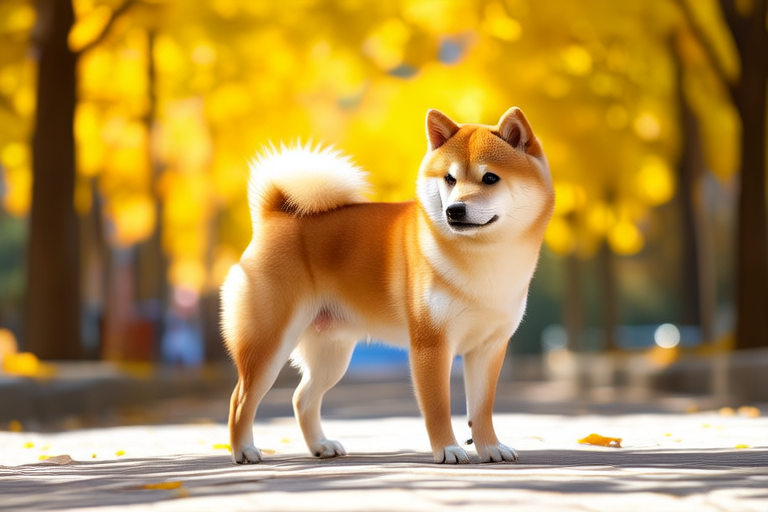
The Ultimate Guide to Owning a Shiba Inu: Tips for First-Time Owners
Shiba Inu Breed Overview
The Shiba Inu is an ancient breed from Japan, known for its small to medium size and fox-like appearance. Originating as a hunting dog, they were used for flushing out small game and birds. They have a double coat that sheds heavily twice a year. Shibas are independent and intelligent, which can make them challenging but rewarding companions. Their lifespan typically ranges from 12 to 15 years.
Temperament and Behavior
Shibas are generally confident, alert, and independent. They can be aloof with strangers but affectionate with their families. Early socialization is crucial to ensure they grow up to be well-adjusted dogs. Shibas may show signs of dominance, so it’s important to establish yourself as the pack leader from the start. Consistency in training and leadership will help prevent behavioral issues like aggression or stubbornness.
Dietary Needs
Shibas require a balanced diet rich in protein and fat to maintain their muscle mass and energy levels. Choose high-quality dog food that meets their nutritional needs. Avoid overfeeding, as Shibas can become overweight easily. Consult your veterinarian about specific dietary recommendations based on your Shiba’s age, weight, and activity level. Fresh water should always be available.
Grooming Tips
Shibas have a thick double coat that requires regular brushing to prevent matting and reduce shedding. Use a slicker brush at least once a week, increasing frequency during shedding seasons. Bathing should be done sparingly, as frequent bathing can strip natural oils from their coat. Check their ears weekly for any signs of infection or debris and clean them gently if necessary. Trim their nails regularly to prevent discomfort and injury.
Exercise Requirements
Shibas are energetic and need plenty of physical activity to stay healthy and happy. Daily walks and play sessions are essential. They enjoy activities such as fetch, hiking, and agility training. Mental stimulation is also important; consider puzzle toys or interactive games to keep their minds engaged. Ensure they get enough exercise to prevent boredom and potential destructive behaviors.
Training Methods
Positive reinforcement is key when training a Shiba Inu. Reward good behavior with treats, praise, and affection. Shibas can be stubborn, so patience and consistency are crucial. Start training early and set clear expectations. Teach basic commands like sit, stay, come, and down. Crate training can be helpful for housebreaking and providing a safe space. Avoid harsh punishment, as it can damage the bond between you and your Shiba.
Health Concerns
Shibas are generally healthy dogs, but they can be prone to certain genetic conditions. Common health issues include hip dysplasia, patellar luxation, and eye problems like progressive retinal atrophy. Regular veterinary check-ups are essential for early detection and management of these conditions. Maintain a routine vaccination schedule and keep up with preventive care like flea and tick treatments.
Socialization Strategies
Proper socialization is vital for raising a well-behaved Shiba Inu. Expose your puppy to various environments, people, and other animals from an early age. Attend puppy classes to encourage positive interactions with others. Encourage calm and friendly behavior during introductions. Socialization helps prevent fearfulness and aggression towards unfamiliar stimuli.
Common Mistakes to Avoid
Avoid making assumptions about your Shiba’s behavior or needs. Each dog is unique, so take time to understand your individual pet. Do not neglect training or exercise, as this can lead to behavioral issues. Be cautious about overindulging your Shiba with treats or human food, as this can contribute to obesity. Finally, avoid isolating your Shiba, as they thrive on interaction and companionship.
Advice on Integrating a Shiba Inu into a Family Setting
Integrating a Shiba Inu into a family requires careful planning and consideration. Establish routines and rules that everyone in the household understands and follows. Create a designated area for your Shiba to feel secure and comfortable. Introduce your Shiba to children and other pets gradually, under supervision, to ensure positive interactions. Encourage responsible pet ownership among all family members, including feeding, grooming, and exercising your Shiba.
