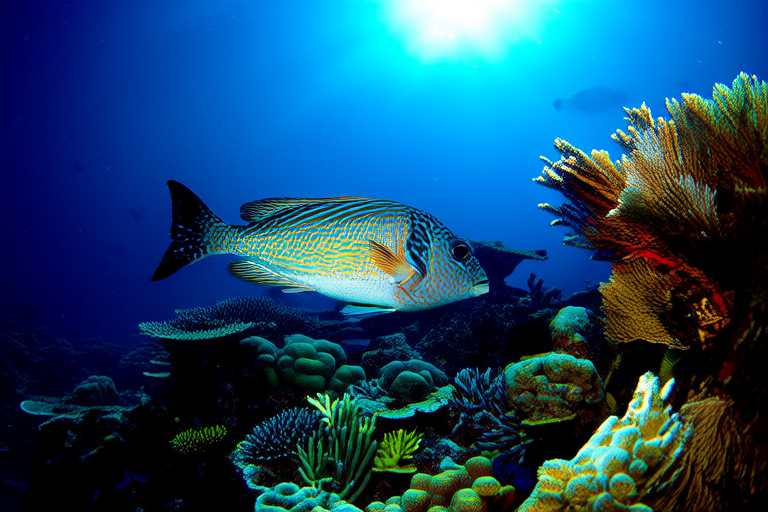
Parrot Fish: The Colorful Jewel of Coral Reefs
The ocean is a vast and wondrous place, teeming with life in every corner. Among its many inhabitants, one species stands out for its vibrant colors and crucial role in maintaining the health of coral reefs: the parrot fish. These fascinating creatures are not just beautiful to look at; they play a vital role in the delicate balance of marine ecosystems.
The Rainbow of Colors
Parrot fish are known for their striking and diverse color patterns. Depending on the species and their stage of life, these fish can display an array of hues that rival the most colorful tropical landscapes. Juvenile parrot fish often have more subdued colors, which help them blend into their surroundings and avoid predators. As they mature, however, their colors become more pronounced and dazzling. Adult parrot fish can be found in shades of blue, green, yellow, orange, and even pink. Some species sport intricate patterns of stripes, spots, or blotches that make each individual unique. Their name is derived from their beak-like mouths, which resemble those of parrots. This distinctive feature, combined with their bright colors, makes them one of the most recognizable fish in the ocean.
Guardians of the Coral Reefs
Parrot fish are not only visually stunning but also play a crucial role in maintaining the health of coral reefs. They are known as “coral gardeners” because of their unique feeding habits. Parrot fish primarily feed on algae that grow on coral reefs. By grazing on this algae, they prevent it from overgrowing and smothering the coral polyps. This helps ensure that the coral has enough sunlight to carry out photosynthesis, a process essential for their survival. Additionally, when parrot fish consume algae, they inadvertently ingest small pieces of coral. After digestion, these particles are excreted as sand, contributing to the formation of beaches and islands. In fact, much of the sand found on tropical beaches is actually recycled coral, thanks to the work of parrot fish.
Unique Behaviors
Parrot fish exhibit several fascinating behaviors that set them apart from other marine creatures. One of the most remarkable is their ability to create sleeping bags out of mucus. Before settling down for the night, some species of parrot fish produce a cocoon-like substance by secreting mucus from their mouths. This mucus acts as a barrier, protecting the fish from predators such as moray eels and sharks. It also conceals their scent, making it harder for nocturnal hunters to detect them. Another interesting behavior is their social structure. Many species of parrot fish live in large schools, which provide safety in numbers. Swimming together in groups helps them avoid predators and find food more efficiently. During mating season, parrot fish engage in elaborate courtship displays, showcasing their vibrant colors and performing acrobatic maneuvers to attract potential mates.
Threats to Parrot Fish
Despite their importance to marine ecosystems, parrot fish face numerous threats that put their populations at risk. One of the biggest challenges they face is overfishing. In many parts of the world, parrot fish are considered a delicacy and are caught in large quantities for human consumption. This unsustainable fishing practices can lead to a decline in their population, disrupting the balance of coral reef ecosystems. Habitat destruction is another significant threat. Coastal development, pollution, and climate change all contribute to the degradation of coral reefs, which are the primary habitat for parrot fish. As these environments deteriorate, the fish lose their homes and sources of food. Climate change, in particular, poses a grave danger to both parrot fish and coral reefs. Rising sea temperatures can cause coral bleaching, a phenomenon where corals expel the symbiotic algae living in their tissues, turning white and often dying. Without healthy coral reefs, parrot fish struggle to survive.
Conservation Efforts
Recognizing the importance of parrot fish to marine ecosystems, various conservation efforts are underway to protect them and their habitats. Marine protected areas (MPAs) have been established in many regions to safeguard coral reefs and the species that depend on them. Within these protected zones, fishing is restricted or prohibited, allowing parrot fish populations to recover and thrive. Education and awareness campaigns are also crucial in promoting sustainable fishing practices and encouraging responsible tourism. By informing people about the value of parrot fish and the impact of their actions on marine life, these initiatives aim to foster a culture of conservation. Research is another key component of parrot fish conservation. Scientists are working to better understand the biology, behavior, and ecology of these fish to develop effective strategies for their protection. This knowledge can guide policy decisions and management plans that benefit both parrot fish and the broader marine environment.
Conclusion
Parrot fish are truly the colorful jewels of coral reefs, combining beauty and ecological significance in a way that captivates both scientists and casual observers alike. Their vibrant colors, unique behaviors, and critical role in maintaining coral reef health make them indispensable to marine ecosystems. However, they face numerous threats that jeopardize their survival. It is up to us to take action to protect these remarkable creatures and the habitats they call home. By supporting conservation efforts, practicing sustainable fishing, and reducing our impact on the environment, we can help ensure that future generations will continue to marvel at the splendor of parrot fish and the rich biodiversity of the ocean.
