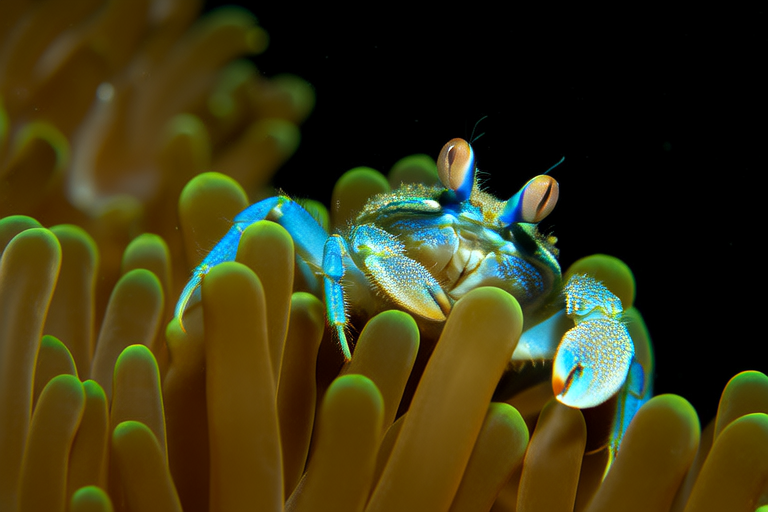
Pea Crabs: Nature’s Most Adorable Hitchhikers
Welcome to the fascinating world of pea crabs, the tiny crustaceans that have mastered the art of living in harmony with their hosts. These adorable hitchhikers are known for their unique relationship with sea creatures like mussels and clams. This article will explore the life of pea crabs, their size, life cycle, symbiotic relationship, adaptations, behaviors, reproduction methods, and threats to their survival. So, let’s dive into the captivating story of these tiny marine inhabitants.
The Tiny Titans of the Sea
Pea crabs, belonging to the family Pinnotheridae, are among the smallest true crabs in the world. They typically measure less than one centimeter in length, making them perfect for fitting inside the shells of their hosts. Despite their diminutive size, pea crabs play a crucial role in their ecosystems. Their small size also aids in their survival, as it helps them avoid becoming prey to larger marine predators.
A Life Cycle Rooted in Symbiosis
The life cycle of pea crabs is closely tied to their hosts. Female pea crabs often enter the mantle cavity of their hosts, which is the space between the shell and the soft body of the mussel or clam. Here, they can lay their eggs, ensuring the safety of their offspring. Once the eggs hatch, the larvae are released into the water, where they drift until they find a suitable host. This symbiotic relationship benefits both parties: the pea crabs gain protection and a steady food supply, while the hosts benefit from the crabs’ cleaning activities, which help remove parasites and debris from their gills.
Adaptations for Living Inside a Shell
Living inside the shells of their hosts requires specific adaptations. Pea crabs have flattened bodies that allow them to maneuver easily within the confined spaces. Additionally, they have reduced claws and legs, making them more streamlined for life within the shell. Their exoskeletons are also softer than those of other crabs, enabling them to grow without molting too frequently, which would disrupt the delicate balance of their host’s environment.
Behavior and Reproduction
Pea crabs exhibit interesting behaviors that ensure their survival. Male pea crabs are generally found outside the host, waiting for females to emerge during mating season. Once the female is ready to mate, she releases pheromones to attract males. The male then enters the host and mates with the female. After mating, the female remains inside the host to gestate and eventually give birth to her offspring. This reproductive strategy ensures that the young have a protected environment to develop.
Threats to Survival
Despite their advantageous lifestyle, pea crabs face several threats to their survival. Pollution, overfishing, and habitat destruction are some of the major challenges they encounter. As pollution increases, the quality of the water deteriorates, affecting the health of both pea crabs and their hosts. Overfishing can lead to a decline in the population of their hosts, leaving pea crabs without a place to call home. Habitat destruction, such as coastal development and dredging, can also disrupt the natural environments of pea crabs and their hosts, making it difficult for them to find suitable habitats.
The Importance of Pea Crabs in Marine Ecosystems
Pea crabs play a vital role in maintaining the balance of marine ecosystems. By keeping their hosts clean and healthy, they contribute to the overall health of the surrounding waters. Additionally, pea crabs serve as a food source for various marine animals, including fish and birds. Their presence in the ecosystem highlights the interconnectedness of all marine life and underscores the importance of preserving the delicate balance of our oceans.
Conclusion
In conclusion, pea crabs are nature’s most adorable hitchhikers, with their unique relationship with sea creatures like mussels and clams. Their small size, life cycle, symbiotic relationship, adaptations, behaviors, and reproduction methods make them fascinating subjects of study. While they face threats to their survival, understanding and protecting these tiny crustaceans is essential for maintaining the health and balance of marine ecosystems. Let us continue to appreciate and protect these charming little creatures and the valuable role they play in our oceans.
