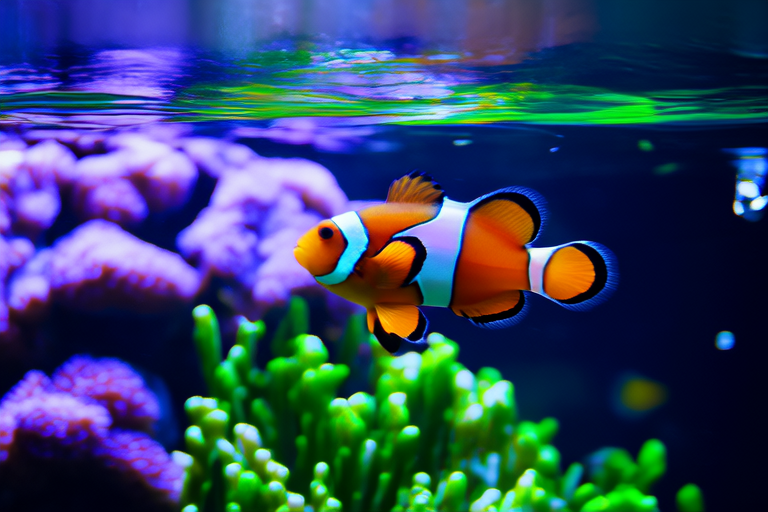
How to Care for Your Clownfish Like a Pro: A Beginner’s Guide
Welcome to the world of saltwater aquariums! If you’re considering adding a splash of color and charm to your underwater world, look no further than the clownfish. Known for their vibrant colors and quirky personalities, these fish are a favorite among both novice and experienced aquarists. This guide will walk you through everything you need to know to care for your clownfish like a pro, ensuring they thrive in their new home.
Understanding the Clownfish Habitat
The first step in caring for your clownfish is understanding their natural habitat. In the wild, clownfish live among anemones in coral reefs. These fish have a unique relationship with sea anemones, which provide them with protection from predators and offer them a safe place to lay their eggs. While it’s possible to recreate this environment in your tank, it’s not necessary for the fish to thrive. Instead, focus on creating a comfortable and stimulating space that mimics their natural surroundings.
Your clownfish will appreciate a well-planted tank with plenty of hiding spots. Incorporate live rock and other decorations to create caves and crevices where they can retreat when feeling stressed or threatened. Additionally, ensure there is ample swimming space. Clownfish are active swimmers and need room to move around comfortably.
Setting Up the Perfect Tank Environment
When setting up your tank, start by selecting the appropriate size. A minimum tank size of 30 gallons is recommended for a single pair of clownfish, but larger tanks are better if you plan to add more fish or additional species. Larger tanks also help maintain stable water conditions, which is crucial for the health of your clownfish.
Invest in a high-quality filtration system that can handle the bioload of your tank. Proper filtration helps keep the water clean and free from harmful toxins. Regularly check the filter to ensure it’s functioning correctly and replace the media as needed.
Water parameters are critical for maintaining a healthy environment for your clownfish. Keep the temperature between 76°F and 82°F (24°C and 28°C), the pH level between 8.1 and 8.4, and the salinity at 1.020 to 1.025 specific gravity. Use a reliable test kit to monitor these levels regularly and make adjustments as necessary.
Feeding Habits: What Do Clownfish Eat?
Clownfish are omnivorous, meaning they eat both plant-based and animal-based foods. In the wild, they feed on small crustaceans, algae, and plankton. In captivity, a balanced diet can include commercial flake food, pellets, and frozen or freeze-dried foods such as brine shrimp, mysis shrimp, and bloodworms. It’s important to vary their diet to ensure they receive all the necessary nutrients.
Avoid overfeeding your clownfish, as this can lead to poor water quality and obesity. Feed them small portions two to three times a day, offering enough food that they can consume within a few minutes. Remove any uneaten food after 10 minutes to prevent pollution.
Tank Mates Compatibility: Who Can Live With Clownfish?
Choosing compatible tank mates is essential for the well-being of your clownfish. Clownfish are generally peaceful and can coexist with various species, but it’s crucial to select fish that won’t outcompete them for food or space. Some good choices include damsels, tangs, and wrasses. However, avoid aggressive or territorial species that might bully or harm your clownfish.
Clownfish are also known for their social behavior and may form pairs or small groups in the wild. In captivity, it’s possible to keep a mated pair together, but introducing new individuals can be challenging. If you want to introduce a new clownfish, do so gradually and monitor their interactions closely.
Common Health Issues and How to Prevent Them
Like any living creature, clownfish can fall ill due to various factors, including poor water quality, stress, or inadequate nutrition. Some common health issues include ich (white spot disease), bacterial infections, and parasites. Early detection and treatment are key to preventing these problems from escalating.
To prevent illness, maintain excellent water quality, provide a varied diet, and minimize stress by creating a stable and enriching environment. Quarantine new additions to your tank before introducing them to the main aquarium to reduce the risk of introducing diseases.
Maintenance Tips for a Thriving Aquarium
Maintaining a healthy aquarium requires regular upkeep. Perform weekly water changes, removing approximately 10-20% of the water each time. This helps dilute waste products and replenish beneficial minerals. Clean the filter and decorations as needed to prevent the buildup of debris.
Monitor the tank’s equipment regularly to ensure everything is functioning properly. Replace bulbs in protein skimmers and powerheads as instructed by the manufacturer. Keeping your equipment in good working order contributes to a stable and healthy environment for your clownfish.
Busting Common Myths About Clownfish Care
One common myth is that clownfish must live with anemones to survive. While anemones can enhance the appearance of your tank and provide a sense of security for your clownfish, they are not strictly necessary. Another myth is that clownfish are easy to care for, requiring minimal attention. While clownfish are relatively hardy compared to some saltwater fish, they still require careful management of water quality and diet.
The Importance of Research and Patience
Before bringing home your clownfish, take the time to research their specific needs and behaviors. Understanding their biology and preferences will help you provide the best possible care. Be patient during the acclimation process and allow your fish time to adjust to their new environment. With proper care and attention, your clownfish will reward you with years of enjoyment and companionship.
In conclusion, caring for clownfish is a rewarding endeavor that requires commitment and dedication. By setting up a suitable habitat, providing a balanced diet, choosing compatible tank mates, and maintaining a healthy environment, you can ensure your clownfish thrive. Remember, the journey of becoming a successful aquarist is one of continuous learning and adaptation. Happy fishkeeping!
