Caring for Your Feathered Friend: Tips for Raising a Happy Splendid Japalure
Welcome to the world of splendid Japalures! These charming birds bring joy and companionship to many homes. Whether you’re a first-time owner or a seasoned bird enthusiast, this guide will help you understand how to care for your feathered friend properly.
Understanding the Splendid Japalure
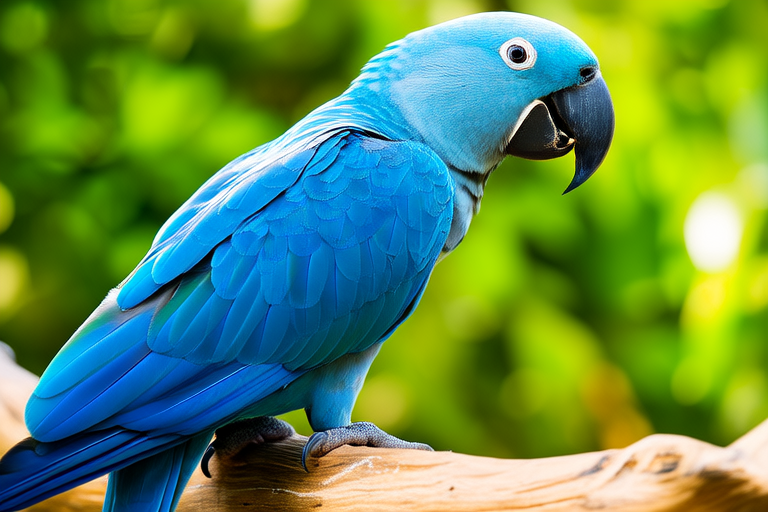
The splendid Japalure, also known as the Japapapa Japalure, is a hybrid breed resulting from crossing a Javanese and a Pekin duck. They are known for their vibrant plumage and gentle demeanor. These birds thrive on attention and affection, making them excellent pets for those who enjoy a companion that’s both beautiful and social.
Diet Specifics
Proper nutrition is crucial for maintaining your Japalure’s health and happiness. A balanced diet should consist of high-quality commercial duck feed, supplemented with fresh vegetables, fruits, and occasional treats.
- Main Feed: Choose a feed specifically formulated for waterfowl, which provides the necessary nutrients such as proteins, fats, vitamins, and minerals.
- Vegetables and Fruits: Offer a variety of leafy greens, carrots, and apples. Avoid feeding them iceberg lettuce, as it has little nutritional value.
- Treats: Occasional treats like mealworms or small pieces of cooked chicken can be given but should not make up more than 10% of their diet.
Ensure access to clean, fresh water at all times. Ducks require more water than most other birds because they need it for preening and digestion.
Housing Requirements
Adequate housing is essential for your Japalure’s well-being. Consider the following when setting up their living space:
- Size: Provide ample space for movement. For one adult Japalure, a minimum of 4 square feet per bird is recommended indoors. Outdoors, they need at least 10 square feet per bird.
- Shelter: Ensure the shelter is waterproof and well-ventilated. It should protect your bird from harsh weather conditions, including rain, wind, and direct sunlight.
- Bathing Area: Ducks love to bathe, so include a shallow pool or pond where they can swim. This helps keep their feathers clean and healthy.
- Safety: Protect your Japalure from predators by securing the enclosure with fencing or netting.
Social Interaction Needs
Japalures are social creatures and benefit greatly from human interaction. Spend time with your bird daily through play, training, and simple conversations. They enjoy being petted and can learn tricks if given consistent positive reinforcement.
If possible, consider keeping more than one Japalure to provide company for each other. However, always supervise interactions between multiple birds to prevent any aggressive behavior.
Grooming Tips
Maintaining your Japalure’s appearance is important for their health and comfort. Regular grooming includes:
- Bathing: As mentioned earlier, ensure your Japalure has access to water for bathing. This helps remove dirt and excess oils from their feathers.
- Clipping Nails: Trim nails every few weeks to prevent overgrowth. Use sharp, blunt-nosed scissors designed for birds. Consult a veterinarian if unsure about nail trimming.
- Beak Trimming: The beak naturally wears down while eating. If it becomes overgrown, seek professional assistance.
Regular grooming sessions also offer opportunities for bonding and building trust between you and your bird.
Common Health Issues
Despite proper care, Japalures may still face certain health challenges. Here are some common issues and how to address them:
- Respiratory Problems: Common symptoms include wheezing, sneezing, or nasal discharge. Keep the living area dry and well-ventilated. Consult a vet if these symptoms persist.
- Eye Infections: Redness, swelling, or discharge around the eyes indicates an infection. Clean the area gently with warm water and consult a vet for treatment.
- Feather Plucking: Stress or boredom can cause feather plucking. Increase social interaction, provide toys, and ensure a stimulating environment.
Regular check-ups with a veterinarian specializing in avian medicine can help catch potential problems early.
Signs of a Happy and Healthy Japalure
Observing your Japalure closely can give you insight into its overall well-being. Look out for these signs:
- Vibrant Feathers: Healthy feathers are bright and smooth. Any dullness or flaking could indicate poor nutrition or illness.
- Energetic Behavior: Active and curious behaviors show that your bird feels safe and content in its environment.
- Good Appetite: A healthy appetite is a good sign. Monitor food intake regularly and adjust portions accordingly.
- No Unusual Symptoms: Absence of symptoms like lethargy, abnormal droppings, or unusual vocalizations suggests good health.
Conclusion
Raising a splendid Japalure requires commitment and dedication, but the rewards are immeasurable. By providing proper nutrition, suitable housing, ample social interaction, regular grooming, and attentive care, you can ensure your feathered friend lives a long, healthy, and joyful life.
Remember, every bird is unique, so adapt these guidelines according to your Japalure’s specific needs. With love and care, you’ll have a wonderful companion for years to come.
