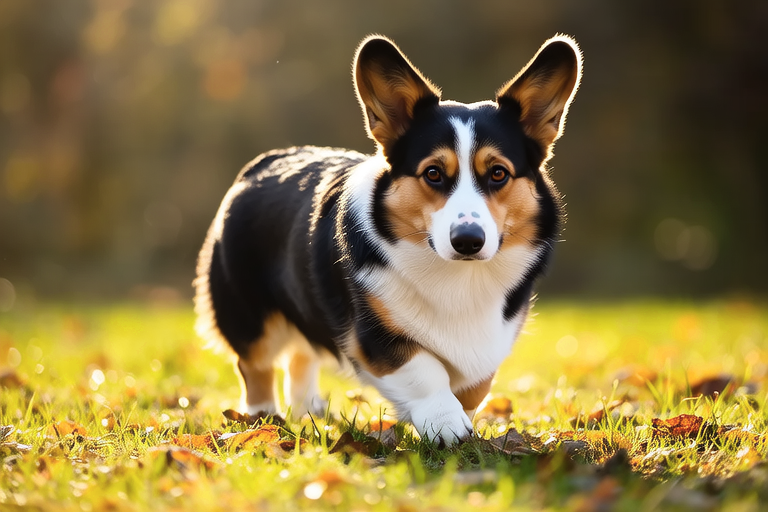
The Secret Life of Corgis: What They’re Really Thinking When They Waddle
Imagine a creature that looks like it was designed by someone with a love for chaos, cartoon logic, and an obsession with tiny legs. Picture a dog that’s part squirrel, part aristocrat, and 100% determined to own your heart—no matter how much you try to resist. That’s a corgi. With their spindly legs, comically long bodies, and eyes that seem to say, “I know what you’re doing, and frankly, I’m disappointed,” corgis aren’t just dogs—they’re walking comedies with a PhD in emotional manipulation.
They waddle. They wiggle. They stare at you like they’ve just uncovered the secret to eternal happiness… and you’re not part of the plan. But beneath that adorable facade lies a mind sharper than a pocketknife and a spirit fiercer than a storm cloud. So what are these little bundles of fluff really thinking when they trot across your living room floor? Let’s peek behind the curtain of their secret life.
Legs That Can’t Keep Up (But Their Minds Always Do)
Corgis were originally bred as herding dogs—specifically to nip at the heels of cattle and keep them moving. This explains their most iconic feature: those short, sturdy legs. While humans might see a design flaw, corgis see freedom. Freedom to zigzag through grass, to squeeze under fences, to launch themselves into a dramatic belly flop on the couch.
But here’s the kicker: their short legs don’t mean short thoughts. In fact, corgis are among the smartest dog breeds—ranked in the top 10 by Stanley Coren, author of The Intelligence of Dogs. They learn commands quickly, solve puzzles with flair, and have been known to open doors, turn off lights, and even figure out how to operate remote controls (yes, really). One corgi named Winston once mastered a three-step sequence to retrieve his favorite treat from a locked cabinet—after watching his owner do it twice.
So while their legs may be built for dodging cows rather than chasing frisbees, their brains are wired for strategy, curiosity, and a healthy dose of mischief. Their waddle isn’t just a cute quirk—it’s a tactical maneuver. By staying low to the ground, they can sneak past obstacles, observe human behavior without being noticed, and position themselves perfectly for a surprise cuddle attack.
Big Eyes, Bigger Opinions
Those wide, dark eyes aren’t just for show. They’re the ultimate emotional radar. A corgi’s gaze can convey everything from mild annoyance (“Why is there no bacon?”) to profound existential despair (“Is this all there is?”). When they lock eyes with you, it’s less a look and more a full-on interrogation.
Experts agree: corgis use eye contact to build bonds and assert dominance. “They’re constantly reading us,” says Dr. Lila Chen, animal behaviorist at the Canine Cognitive Research Institute. “Their eyes aren’t just windows—they’re communication hubs. A slow blink? That’s trust. A raised eyebrow? That’s skepticism. And if they stare at you while wagging their tail like a metronome, they’re either plotting something or asking, ‘Can we go outside now?’”
And let’s talk about their ears. Those floppy, perky ears aren’t just decorative—they’re precision instruments. They swivel independently, catching sounds from every direction. When a corgi tilts one ear forward and the other back, it’s not confusion—it’s deep listening. They’re assessing whether that rustling in the bushes is a squirrel or just a leaf. More importantly, they’re sizing up your intentions.
Communicating in Corgi: The Language of Wiggle and Whine
If corgis had a language, it would be a mix of body language, vocalizations, and sheer theatricality. Understanding them isn’t just helpful—it’s essential for survival (especially if you’re the one holding the treats).
- The Tail Tuck: When a corgi tucks its tail between its legs, it’s not fear—it’s focus. They’re preparing to pounce on a toy, a sock, or your bare foot.
- The Ear Position Shift: Ears pinned back? Warning sign. Ears forward and alert? Someone’s about to get a face full of enthusiastic nudge.
- The Bark Symphony: Not all barks are equal. A sharp, high-pitched “yip!” means “Look! Something’s happening!” A low, guttural growl indicates “This is mine.” And that long, melodic bark? That’s the corgi version of “I am here, I am loved, and yes, I will be heard.”
- The Belly Flop: If your corgi suddenly collapses onto its side with legs in the air, it’s not surrender—it’s a power move. It’s saying, “I trust you completely. Also, I want belly rubs.”
One corgi owner, Sarah from Portland, recalls how her pup, Mochi, developed a unique “bark code.” “If she barks once, it’s ‘I need water.’ Two barks? ‘I want to go outside.’ Three? ‘I’m done with your life choices.’ And four? Well, that’s when she starts chewing on the furniture.”
Loyalty With a Side of Sass
Corgis are famously loyal—but not in the passive, “I’ll follow you everywhere” way. No, their loyalty comes with attitude. They’re not just pets; they’re co-conspirators in your daily life. They’ll sit beside you during Netflix binges, glare at strangers who approach too closely, and deliver silent judgment when you forget to refill their food bowl.
Yet, despite their strong-willed nature, they form incredibly deep bonds. “Corgis don’t just love—they choose,” says Dr. Chen. “They pick their people. Once they decide you’re worth their time, they’ll defend you with their whole body, even if it means jumping on a mail carrier or stealing your sandwich.”
This loyalty is deeply rooted in their history. As herding dogs, corgis needed to work closely with humans and make split-second decisions. They weren’t just tools—they were partners. That legacy lives on today. Your corgi doesn’t just live with you; it *manages* you.
Social Dynamics: Chaos, Charm, and Coexistence
Corgis are social creatures—but not in the “let’s all play together” sense. They thrive in structured environments where roles are clear. They adore children, but only if said children respect their personal space (and don’t steal their toys).
When it comes to other pets, corgis can be surprisingly diplomatic—or hilariously territorial. Many corgis get along famously with cats, especially if they’ve grown up together. Some even develop bizarre friendships, like the famous case of a corgi who shared a bed with a grumpy tabby named Mr. Whiskers. “It’s not love,” said the owner. “It’s mutual blackmail.”
With other dogs? Well, that depends. Corgis tend to lead—not follow. They’re natural-born alpha-types, which can cause tension in multi-dog households. But with proper training and consistent boundaries, they can become excellent companions. Just remember: if you see a corgi slowly circling another dog with a smug expression, it’s not playtime—it’s assessment.
Myths & Misconceptions: Debunking the Corgi Code
Let’s clear the air: corgis aren’t just “happy all the time.” Yes, they’re joyful creatures, but they also experience frustration, jealousy, and anxiety—just like any other dog. That “always smiling” face? It’s not because they’re perpetually thrilled. It’s because their facial structure makes it hard to frown.
Another myth: “Corgis are lazy.” Nope. They’re just efficient. They don’t run for fun—they run for purpose. Want to see a corgi sprint? Try hiding a treat behind a door. Watch them transform from waddling diplomat to blur of fur and determination.
And the idea that they’re “not good with kids”? Untrue. With supervision and early socialization, corgis can be gentle, patient, and playful with children. Their small size actually helps—they’re more likely to stay close and engage in quiet games than chase around the yard.
Even their infamous “stiff-legged walk” isn’t a sign of discomfort. Corgis are built for it. Their spine is flexible, their muscles strong. If anything, their gait is a testament to evolutionary brilliance—short legs mean better balance when herding, and a longer body means greater reach to nudge livestock.
What Corgis Teach Us About Living in the Moment
At the end of the day, corgis aren’t just pets—they’re philosophers. They teach us to find joy in the smallest things: a sunbeam on the floor, a crumb on the counter, a moment of undivided attention from their favorite human.
They live fully. They eat with gusto. They nap like they’re auditioning for a luxury mattress commercial. They greet each new day like it’s a grand adventure—and honestly, who wouldn’t?
They remind us that resilience isn’t about being big or fast. It’s about confidence in your own design. A corgi doesn’t apologize for its waddle. It owns it. It turns it into a signature move. It says, “Yes, I’m short. But I’m also brilliant, loyal, and capable of changing the world—one treat at a time.”
In a world that often rewards speed, size, and silence, corgis stand tall (well, sort of) in their own quirky, wiggly way. They don’t ask to be perfect. They just ask to be seen, loved, and occasionally allowed to chew on your slippers.
Final Thoughts: The Waddle Is a Statement
So next time you watch a corgi waddle across the room—tail high, ears forward, eyes scanning like a secret agent—you’ll understand. That waddle isn’t a flaw. It’s a declaration. A statement of identity. A reminder that joy doesn’t come in a single shape or size.
They’re not trying to impress anyone. They’re just being themselves—with maximum charm and minimum apologies.
And maybe that’s the real secret of corgis: they don’t just live in the moment. They own it. And in doing so, they teach us how to live—fully, fiercely, and with a little bit of sass.
So the next time you hear a corgi bark, smile. Because somewhere, deep in those expressive eyes, a tiny genius is thinking: “You’re welcome for this moment. Now, hand over the snack.”
