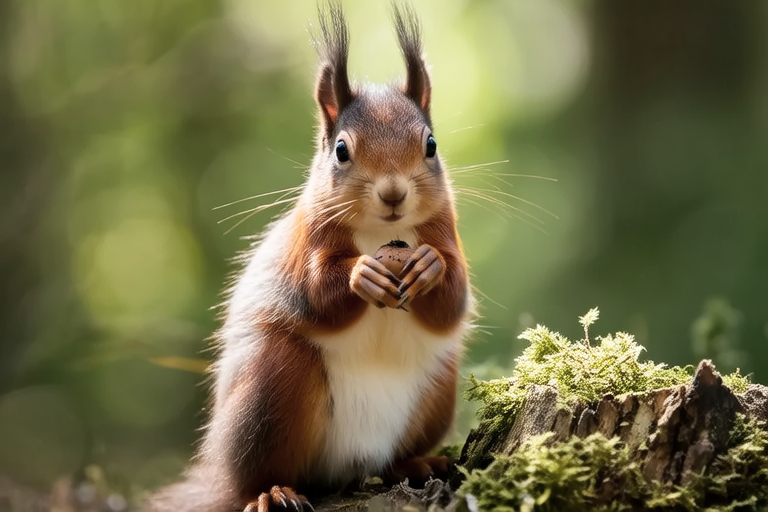
Squirrel Spotting Secrets: Tips for Photographing These Clever Critters
Welcome to the world of squirrel photography! Whether you’re a seasoned wildlife photographer or just starting out, these nimble and curious creatures offer endless opportunities for captivating images. This guide will help you understand squirrel behavior, equip yourself with the right tools, find the best times and places to capture them, approach them ethically, and take unique shots that will amaze your audience.
Understanding Squirrel Behavior
Before you start snapping photos, it’s essential to learn about their habits. Squirrels are most active during the early morning and late afternoon when they search for food, which can be nuts, seeds, or even insects. They are territorial and often return to the same spots daily, making these areas prime locations for consistent sightings.
During my first attempt at photographing squirrels, I noticed how they would cautiously peek out from behind trees before venturing into open spaces. This behavior is typical; squirrels are always on high alert, scanning their surroundings for potential threats. Understanding this helps anticipate their movements and predict where they might pop up next.
Ideal Equipment for Capturing Squirrels
The right gear can make all the difference in your quest to capture these clever critters. A good DSLR or mirrorless camera with interchangeable lenses is recommended. While a standard zoom lens (like 70-200mm) works well, macro lenses provide stunning details of their fur and eyes.
For those who prefer simplicity, compact cameras with built-in zoom capabilities can still yield excellent results. Additionally, consider investing in a tripod to stabilize your shots, especially if you’re using slower shutter speeds or shooting in low light conditions. Don’t forget to carry extra batteries and memory cards, as squirrels can lead you on long chases through parks and forests.
Best Times and Locations for Photography
The early morning and late afternoon are golden hours for photography due to softer lighting conditions. During these periods, squirrels are also more active, increasing your chances of capturing them in action. Parks, urban gardens, and forested areas are excellent locations for spotting squirrels. Look for areas with plenty of trees, bushes, and ground cover where squirrels can hide and feed.
One memorable experience involved visiting a local park during sunrise. The soft, golden light bathed everything in a warm glow, creating perfect conditions for taking pictures. As I strolled along the paths, I spotted several squirrels scurrying around, each one offering unique photo opportunities. This visit reminded me of the importance of timing and location in wildlife photography.
Approaching and Photographing Squirrels Without Disturbing Them
Patience and stealth are key when trying to get close to squirrels. Move slowly and quietly, avoiding sudden movements that could scare them away. If you need to get closer, try creeping up behind a tree or bush to stay hidden from view. Once you’ve found a good vantage point, use your camera’s zoom feature instead of moving forward.
Respect their space by keeping a safe distance—about 20 feet should suffice for most situations. Remember that these animals are wild and may react unpredictably if you come too close. In one instance, I had to retreat after a squirrel became agitated and started darting back and forth between trees. It was a valuable lesson in respecting boundaries.
Tips for Capturing Unique and Interesting Shots
To stand out from other photographers, focus on capturing candid moments that showcase squirrels’ personalities. Try different angles, such as shooting from below or above, to add depth and interest to your compositions. Experiment with natural elements like leaves, branches, and shadows to create visually appealing backgrounds.
Storytelling through your photos can also set your work apart. Capture sequences of actions, such as a squirrel burying a nut or climbing a tree, to tell a narrative. One of my favorite shots shows a squirrel balancing precariously on a thin branch while holding onto a large acorn. The image conveys both the challenge and determination of the animal.
Advice on Maintaining Ethical Wildlife Photography Practices
Always prioritize the well-being of the animals over getting the perfect shot. Avoid using flash, which can harm their eyesight, and never disturb their habitats or nesting sites. Refrain from feeding squirrels, as this can alter their natural behaviors and lead to dependency.
Respect private property and obtain permission before entering restricted areas. By following these guidelines, you ensure that future generations will have the opportunity to enjoy and photograph these fascinating creatures in their natural environments. For example, once I encountered a group of photographers who were crowding around a nestling squirrel. Instead of joining them, I moved away and found another spot to observe the scene from afar.
In conclusion, squirrel photography is a rewarding pursuit that combines patience, creativity, and respect for nature. With the right knowledge and tools, you can capture beautiful images that highlight the intelligence and charm of these delightful creatures. Happy shooting!
