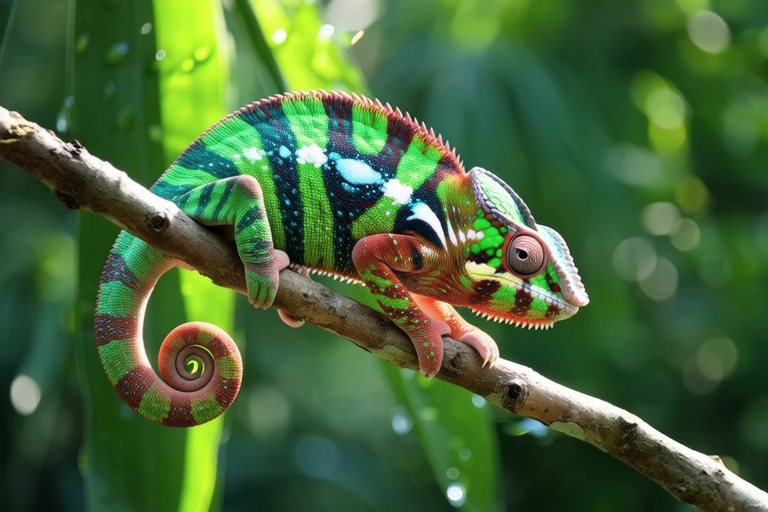
The Ultimate Guide to Raising a Happy and Healthy Splendid Japalure
Welcome to your comprehensive guide on how to raise a happy and healthy Splendid Japalure. This exotic bird, known for its vibrant colors and unique personality, requires special care and attention to thrive. Whether you’re a first-time owner or a seasoned aviculturist, this guide will provide you with all the information you need to ensure your Splendid Japalure leads a fulfilling life.
Introduction to the Splendid Japalure Breed
The Splendid Japalure is a hybrid bird, a cross between a Javanese finch and a splendid parrot. These birds are known for their striking appearance, with feathers that range from deep greens to bright reds. They have a robust build, sharp beaks, and a curious nature. Splendid Japalures are intelligent, social birds that can form strong bonds with their owners, making them great companions. Understanding the unique traits and behaviors of this breed is crucial for providing proper care.
Dietary Needs
A balanced diet is essential for maintaining the health of your Splendid Japalure. Their diet should consist of a variety of seeds, fruits, vegetables, and high-quality pellets. Seeds alone are not sufficient as they lack essential nutrients. Offer a mix of fresh vegetables like carrots, broccoli, and spinach, and fruits such as apples and bananas. Pellets specifically formulated for parrots should make up a significant portion of their diet. Avoid feeding them avocado, chocolate, caffeine, and alcohol, as these can be toxic. Regularly rotate their food items to prevent boredom and encourage varied nutrition.
Exercise Requirements
Splendid Japalures are active birds that require ample space to move around and play. Providing a spacious cage with multiple perches at varying heights encourages climbing and exercising. Additionally, allowing supervised time outside of the cage in a safe, bird-proof room each day is highly recommended. This freedom allows them to stretch their wings and explore their environment, which is vital for both physical and mental well-being. Toys that promote activity, such as ladders, swings, and puzzle feeders, can also help keep them entertained and active.
Housing Tips
Choosing the right cage is critical for your Splendid Japalure’s comfort and safety. The cage should be large enough to allow free movement and accommodate various perches, toys, and food and water dishes. Opt for a cage made of durable materials that can withstand the bird’s natural chewing behavior. Place the cage in a quiet area away from drafts and direct sunlight. Ensure the cage has secure locks and is cleaned regularly to maintain hygiene. A comfortable bedding material, such as shredded paper or recycled paper pellets, will make their living space more inviting.
Grooming Essentials
Grooming your Splendid Japalure is important for their overall health and appearance. Regularly check their feathers for any signs of damage or illness. Bathing your bird once or twice a week helps maintain clean feathers and skin. Use a shallow dish of warm water or a gentle mist spray for bathing. Trimming their nails and beak when necessary is also part of routine grooming. Consult with an avian veterinarian to learn proper trimming techniques or have it done professionally if unsure. Cleaning their cage thoroughly and changing their bedding frequently ensures a hygienic living environment.
Common Health Issues
Splendid Japalures, like many birds, can be prone to certain health problems. Respiratory infections, caused by bacteria or fungi, are common. Symptoms include sneezing, nasal discharge, and labored breathing. Feather plucking, often due to stress or boredom, can also occur. Regular veterinary check-ups and maintaining a stimulating environment can help prevent these issues. Obesity is another concern, especially if the bird doesn’t get enough exercise. Ensuring a balanced diet and adequate activity can help manage weight. Early detection and treatment of any health issue are key to keeping your bird healthy.
Training Techniques
Training your Splendid Japalure can strengthen the bond between you and your pet while teaching them good behavior. Positive reinforcement methods, such as offering treats and praise, work best. Start with simple commands like “step up” and gradually introduce more complex tricks. Consistency and patience are crucial. Training sessions should be short and frequent, lasting no more than 10-15 minutes at a time. Avoid negative reinforcement or punishment, as it can lead to fear and aggression. Reward-based training fosters trust and cooperation.
Socialization Advice
Socializing your Splendid Japalure is important for their emotional development. Spend quality time interacting with your bird daily. Talk to them, sing, or play soft music to stimulate their senses. Introducing them to other people and pets can also help them become more comfortable in different environments. However, always supervise interactions to ensure safety. Socialization should start early in life and continue throughout their lifespan. Encourage positive experiences to build a confident and well-adjusted bird.
Signs of a Happy and Healthy Bird
Recognizing the signs of a happy and healthy Splendid Japalure is essential for responsible ownership. A healthy bird will have clear, bright eyes, smooth feathers, and a lively demeanor. They should eat and drink regularly, defecate normally, and sleep soundly. Engaging in playful activities and interacting with their surroundings are also indicators of good health. Conversely, lethargy, loss of appetite, abnormal droppings, or changes in vocalizations may signal underlying health issues. Monitoring these signs and seeking veterinary care when necessary ensures your bird remains in optimal condition.
In conclusion, raising a happy and healthy Splendid Japalure involves providing proper nutrition, ample exercise, suitable housing, regular grooming, addressing potential health issues, effective training, socialization, and recognizing signs of well-being. By following these guidelines, you can ensure your bird enjoys a long, fulfilling life. Remember, every bird is unique, so tailor your approach based on individual needs and preferences. Enjoy the rewarding experience of caring for this magnificent creature.
