Unraveling the Mystery Behind the Maine Coon’s Bushy Tail
The Maine Coon is one of the most beloved and recognizable cat breeds worldwide, known for its striking appearance and friendly demeanor. Among its many unique features, the Maine Coon’s bushy tail stands out as both a distinctive characteristic and a marvel of evolutionary adaptation. This article delves into the mysteries surrounding this magnificent appendage, exploring its historical significance, genetic underpinnings, functional benefits, and comparisons with other cat breeds. We will also provide practical tips for owners to ensure the health and beauty of their Maine Coon’s tail.
Introduction to the Maine Coon Breed
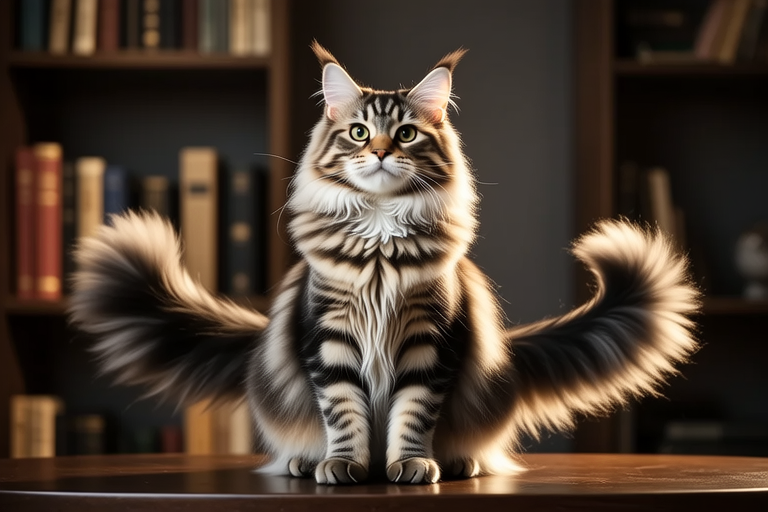
The Maine Coon is a large domesticated cat breed native to the state of Maine, USA. These cats are renowned for their robust build, tufted ears, and a thick, water-resistant coat that protects them from the harsh New England winters. The Maine Coon’s tail, which can grow up to 14 inches long, is one of its most notable features. It is heavily furred, broad at the base, tapering to a brush-like tip, and plays a crucial role in the cat’s overall appearance and functionality.
Historical Background: Survival in Harsh Climates
The history of the Maine Coon is shrouded in legend and lore. One popular tale suggests that the breed originated from matings between semi-wild, domestic cats and raccoons, a myth dispelled by scientific consensus. Instead, it is believed that the Maine Coon descended from domestic cats brought over by European settlers and seafarers. These early cats needed to adapt to the challenging climate of coastal Maine, where temperatures could plummet and snowfall was frequent.
The bushy tail of the Maine Coon is thought to have played a significant role in their survival. In winter, the tail acts as an additional layer of insulation, helping the cat conserve body heat. By wrapping its tail around itself, the Maine Coon can create a cozy, warm nest. This adaptation would have been vital for its ancestors, allowing them to thrive in the cold, unforgiving environment.
Genetic Factors Influencing Tail Thickness and Length
The genetic makeup of the Maine Coon contributes significantly to the development of its impressive tail. The breed is characterized by several genes responsible for fur density, length, and texture. The gene FGR2, for instance, influences the growth of long hair, while another gene, FGR3, is associated with the development of a thick, bushy tail. These genetic traits have been passed down through generations, ensuring that each Maine Coon possesses a tail suited to its environment.
Beyond genetics, environmental factors can also influence the thickness and length of a Maine Coon’s tail. Cats living in colder climates tend to develop thicker coats and longer tails, as these adaptations help them cope with the elements. Conversely, cats in warmer regions may have shorter, less dense tails, as they do not require as much insulation.
The Role of the Tail in Balance and Communication
The Maine Coon’s tail serves multiple purposes beyond providing warmth. Firstly, it plays a crucial role in the cat’s balance. When walking on narrow surfaces or climbing trees, the tail acts as a counterbalance, helping the cat maintain stability. This is particularly important for a breed as large as the Maine Coon, whose size makes them more susceptible to losing their balance.
Secondly, the tail is a vital tool for communication. Cats use their tails to convey a range of emotions and intentions. A relaxed, gently swaying tail indicates contentment, while a rapidly flicking tail signals agitation or annoyance. The Maine Coon’s broad, bushy tail allows for subtle movements that can be easily detected by other cats or humans, facilitating effective communication within the feline community.
Comparisons with Other Cat Breeds
To truly appreciate the uniqueness of the Maine Coon’s tail, it is helpful to compare it with other cat breeds. For example, the Siamese cat, known for its sleek, slender body, has a relatively thin and delicate tail. In contrast, the Maine Coon’s tail is broad, thick, and heavily furred, making it stand out in terms of both appearance and function.
The Persian cat, famous for its luxurious, long fur, also has a bushy tail but lacks the Maine Coon’s tufted ears and water-resistant coat. Similarly, the Bengal cat, a hybrid breed known for its spotted coat and energetic personality, has a sleeker, more compact tail compared to the Maine Coon’s robust appendage. These comparisons highlight the distinctiveness of the Maine Coon’s tail, which is perfectly adapted to its environment and purpose.
Tips for Owners: Maintaining Health and Beauty
Owners of Maine Coon cats play a critical role in maintaining the health and beauty of their pets’ tails. Regular grooming is essential to prevent matting and tangling, especially during shedding seasons. Using a wide-toothed comb or a slicker brush, gently detangle any knots or mats, being careful not to pull too hard and cause discomfort.
In addition to grooming, owners should monitor their cat’s tail for signs of injury or illness. Swelling, discoloration, or unusual behavior such as limping or holding the tail in an odd position could indicate an underlying issue that requires veterinary attention. Regular check-ups with a veterinarian can help catch potential problems early, ensuring your Maine Coon remains healthy and happy.
To keep your Maine Coon’s tail looking its best, consider incorporating specialized grooming products into your routine. Tail conditioners and sprays can add shine and moisture to the fur, enhancing its natural beauty. Additionally, providing your cat with a variety of toys and activities can promote healthy exercise, which helps maintain muscle tone and flexibility in the tail.
Conclusion
The Maine Coon’s bushy tail is more than just a remarkable feature; it is a testament to the breed’s resilience and adaptability. From its historical roots in the rugged landscapes of coastal Maine to its modern-day presence in homes across the globe, the Maine Coon continues to captivate and charm. By understanding the genetic, functional, and communicative aspects of this magnificent tail, we gain insight into the intricate relationship between form and function in the animal kingdom.
For owners of Maine Coon cats, maintaining the health and beauty of their pet’s tail is a rewarding responsibility. With proper care and attention, you can ensure that your Maine Coon’s tail remains a source of pride and admiration for years to come. Whether you’re a seasoned cat owner or a newcomer to the world of felines, the Maine Coon’s bushy tail offers a fascinating glimpse into the wonders of nature and the enduring bond between humans and their pets.
