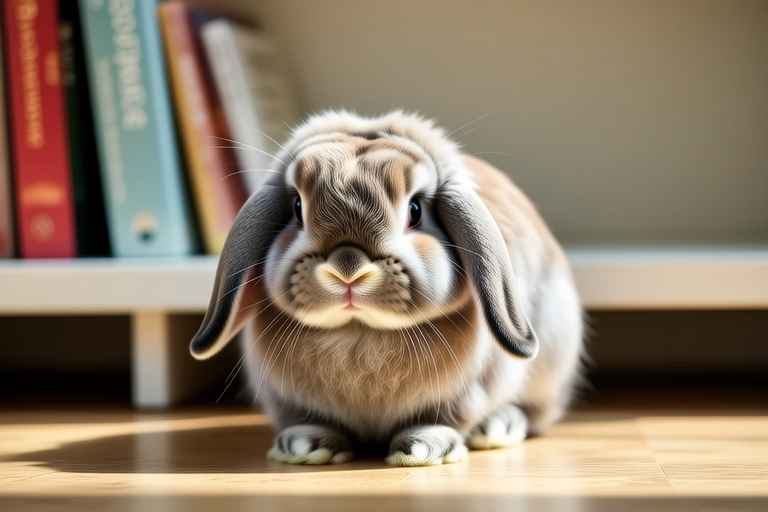
Adopting a Lop Rabbit: Everything You Need to Know Before Bringing One Home
Welcome to the wonderful world of lop rabbits! These charming, floppy-eared creatures have captured the hearts of many pet lovers with their unique appearance and gentle demeanor. If you’re considering adopting a lop rabbit, this comprehensive guide will help you understand everything you need to know before bringing one home.
Introduction to Lop Rabbits
Lop rabbits are a popular breed known for their distinctive drooping ears that hang down beside their faces. They come in various sizes and colors, making them a delightful addition to any household. Their calm and affectionate nature makes them excellent companions for families and individuals alike. Lop rabbits are generally easy-going, but they do require proper care and attention to thrive.
Different Breeds of Lop Rabbits
There are several breeds of lop rabbits, each with its own set of characteristics:
- English Lops: Known for having the longest ears among lop rabbits, they can grow up to 20 inches long. They are larger in size compared to other lop breeds.
- French Lops: A mix between English and domestic rabbits, French Lops are medium-sized with shorter ears than English Lops.
- Belgian Hares: Not actually hares, these rabbits have long, drooping ears and are smaller in size compared to English Lops.
- Mini Lops: The smallest of the lop breeds, Mini Lops are perfect for those with limited space.
What Makes Lop Rabbits Unique as Pets
Lop rabbits are unique pets due to their gentle, affectionate personalities. They enjoy interacting with their owners and can form strong bonds. However, it’s important to note that rabbits are prey animals, so they may be skittish at times. Providing a safe, secure environment is crucial for their well-being.
The Responsibilities of Owning a Lop Rabbit
Housing
Rabbits need a spacious, secure living area. A large cage or hutch with ample room for movement is essential. The cage should be equipped with bedding such as straw or hay, and include areas for eating, sleeping, and playing. Regular cleaning of the living area is necessary to maintain hygiene.
Diet
A balanced diet is vital for a lop rabbit’s health. Feed them a variety of fresh vegetables, fruits, and hay. Timothy hay is particularly beneficial for dental health. Avoid feeding them foods high in sugar or fat, as these can lead to obesity and other health issues. Fresh water should always be available.
Exercise
Rabbits require daily exercise to stay healthy and happy. Allow them supervised time outside their cage in a safe, rabbit-proofed area. This helps prevent boredom and promotes mental stimulation. Toys like tunnels, chew toys, and balls can also provide entertainment.
Grooming
Grooming is an important aspect of caring for a lop rabbit. Regular brushing helps remove loose fur and prevents matting. Pay special attention to their ears, keeping them clean and free of dirt. Trimming nails every few weeks is also recommended to avoid overgrowth.
Healthcare Needs
Scheduling regular veterinary check-ups is crucial for maintaining your lop rabbit’s health. Vaccinations and parasite control are necessary. Watch for signs of illness such as lethargy, loss of appetite, or changes in behavior. Early detection and treatment can prevent serious health problems.
Tips for Introducing a Lop Rabbit to Your Home and Family
Introducing a new lop rabbit to your home requires patience and careful planning. Start by creating a quiet, comfortable space for your new pet. Gradually introduce them to family members and other pets. Supervise all interactions to ensure safety. Establish routines and boundaries early on to help your rabbit feel secure and comfortable in their new environment.
Common Behavioral Traits and How to Address Them
Lop rabbits may exhibit certain behaviors that can be managed with proper understanding and training:
- Chewing: Chewing is natural for rabbits, but it can be destructive if not redirected. Provide plenty of chew toys to satisfy their chewing instincts.
- Biting: Biting can occur if rabbits feel threatened or are not handled correctly. Always approach your rabbit calmly and gently. Avoid sudden movements or loud noises.
- Aggression: Aggressive behavior is rare in lop rabbits but can happen if they feel cornered or threatened. Create a safe, non-threatening environment for your rabbit to reduce stress.
Advice on Finding and Adopting a Lop Rabbit from Reputable Sources
When adopting a lop rabbit, choose a reputable breeder or rescue organization. Research potential sources thoroughly to ensure they prioritize the health and welfare of their animals. Ask about the rabbit’s history, temperament, and any specific needs. Consider adopting from a shelter or rescue group, where you can provide a loving home to a deserving pet.
In conclusion, adopting a lop rabbit can be a rewarding experience. With the right care and attention, your new furry friend will bring joy and companionship to your life. Take the time to learn about their unique needs and behaviors, and you’ll be well on your way to forming a strong bond with your lop rabbit.
