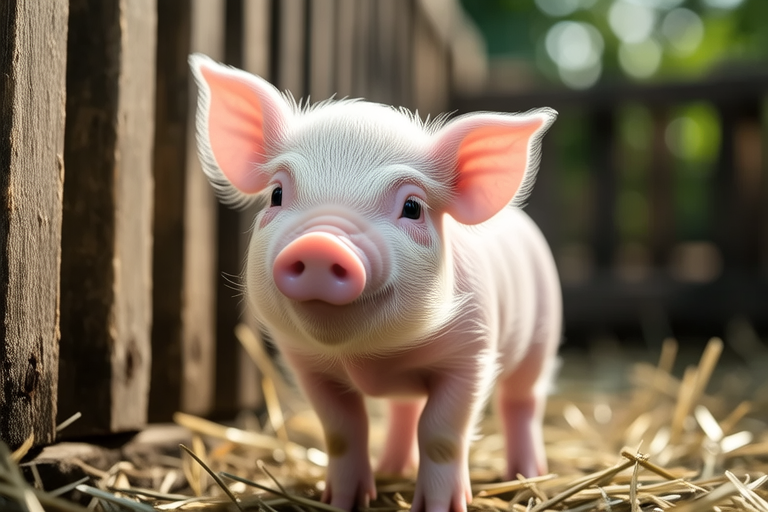
The Ultimate Guide to Training Your Curious Little Mini Pig Companion
Welcome to the world of mini pigs! These intelligent and social creatures make wonderful companions, but they require proper training to ensure both their well-being and your peace of mind. In this guide, we will explore how to train your mini pig companion effectively, from basic commands to handling common behavioral issues. Let’s dive into the fascinating world of mini pig training!
Understanding Your Mini Pig
Mini pigs are highly intelligent and social animals that thrive on mental stimulation and human interaction. They have a natural curiosity and a desire to learn, making them ideal candidates for training. However, it’s important to remember that each pig has its own unique personality, so be patient and adapt your approach accordingly.
Essential Training Tips
Positive Reinforcement Techniques
Positive reinforcement is key to effective training. This method involves rewarding your pig when they perform desired behaviors, encouraging them to repeat those actions. Use treats, praise, or petting as rewards. For example, if your pig sits on command, immediately give them a treat and say “good pig!” This helps them associate the behavior with a positive outcome.
Basic Commands
Start with simple commands like “sit,” “stay,” and “come.” Here’s how:
- Sit: Hold a treat above your pig’s head and slowly move it backward. As they follow the treat with their nose, their bottom will naturally lower into a sitting position. Once they sit, reward them with the treat and praise.
- Stay: After teaching “sit,” add the word “stay” while keeping your hand extended. Gradually increase the time you ask them to stay, rewarding them for their patience.
- Come: Practice calling your pig’s name followed by the command “come.” When they respond, reward them with treats and affection. Consistency is crucial for this command.
Potty Training
Establishing a routine is vital for potty training. Choose a specific area outside where you want your pig to go. Take them there after meals, naps, and playtime. Praise them and offer treats when they eliminate in the correct spot. Be patient; accidents happen, but consistency will lead to success.
Socialization
Expose your mini pig to various people, animals, and environments from a young age to ensure they grow up to be well-adjusted and confident. Socialization helps prevent fear-based aggression and fosters a friendly demeanor. Always supervise interactions to ensure safety and comfort for all involved.
Handling Behavioral Issues
Common behavioral issues include chewing, biting, and excessive barking (yes, pigs can bark!). Address these issues with patience and redirection:
- Chewing: Provide appropriate chew toys and redirect their attention if they start chewing on something they shouldn’t. Positive reinforcement can help reinforce good behavior.
- Biting: If your pig starts biting, firmly say “no” and remove them from the situation. Redirect their attention to a toy or treat. Avoid physical punishment, as it can cause fear or aggression.
- Barking: Ignore the barking initially. Once they stop, praise them and offer a treat. Consistency is key to reducing this behavior over time.
Mental Stimulation
Mini pigs need mental stimulation to stay happy and healthy. Create a stimulating environment by providing puzzles, toys, and activities that challenge their minds. Rotate toys periodically to maintain interest. Interactive games, such as hide-and-seek with treats, can also be fun and mentally engaging.
Maintaining a Strong Bond
Consistent interaction and care are essential for maintaining a strong bond with your mini pig. Spend quality time together daily, engaging in activities they enjoy. Regular grooming and health checks also contribute to their well-being and strengthen your relationship. Remember, mini pigs are sensitive to changes in routine, so try to maintain a consistent schedule.
Conclusion
Training your mini pig companion requires patience, consistency, and love. By employing positive reinforcement techniques and addressing behavioral issues with understanding, you can create a harmonious and joyful relationship with your curious little friend. Remember to provide mental stimulation and maintain a strong bond through regular interaction and care. With dedication and effort, you’ll have a well-trained and content mini pig that brings joy and companionship into your life.
